Published : 04 Feb 2026, 07:22 AM
Updated : 21 Aug 2026, 03:06 PM


The road to Satkhira runs along rivers and rice fields, skirting a restless border with India. Politics here is tougher, more ideological, and less forgiving of weakness. In the parliamentary election, that difference has sharpened.
The Bangladesh Nationalist Party (BNP) and Jamaat-e-Islami, once electoral allies, now face each other as direct competitors. With the Awami League and the Workers Party absent from the contest, the district has become a test of cohesion versus fracture, memory versus momentum.
Voters and observers agree on the stakes.
Of Satkhira’s four seats, any BNP breakthrough will depend almost entirely on unity. Any Jamaat “return” will hinge on BNP disunity. History weighs heavily.
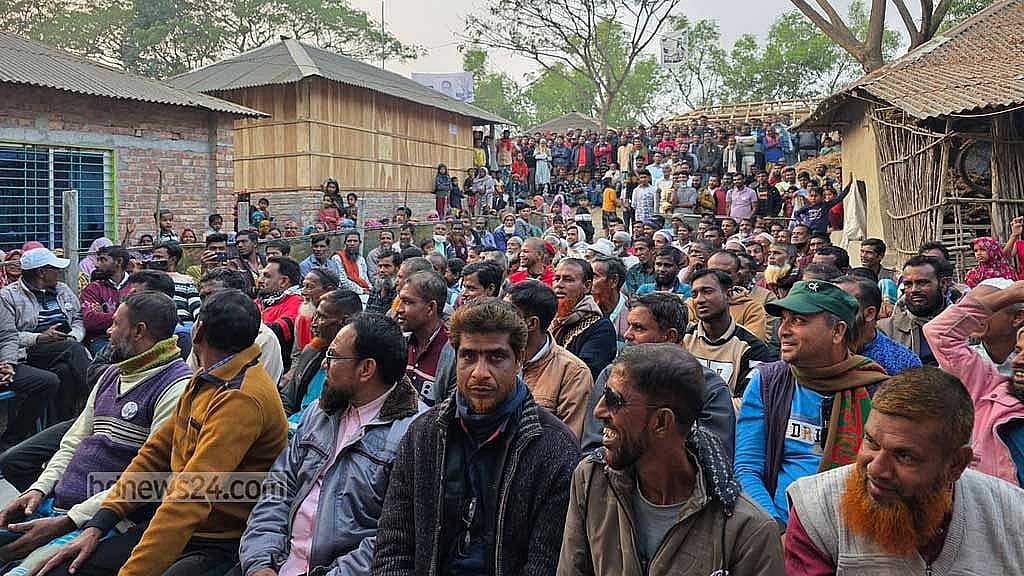
In the fifth parliament, Jamaat fielded candidates in all five seats then in Satkhira and won four. By the seventh parliament it held only one. In the eighth, allied with the BNP, it won three.
After the number of seats fell to four in 2008, Jamaat failed to win any in the reduced four-seat district. Yet in this border district, its organisational base remains stronger than in neighbouring areas.
Other parties -- the Awami League, Jatiya Party, Workers Party -- have occasionally won here. Even then, their main contest was often with Jamaat.
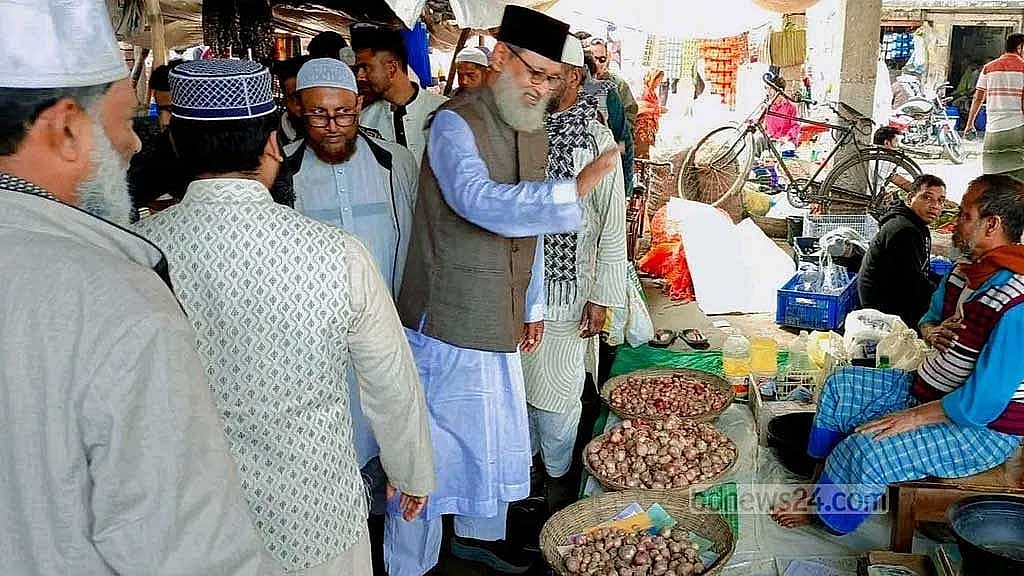
After the Aug 5, 2024 mass uprising, the local equation shifted again. Jamaat leaders now say they see victory in all four seats. BNP leaders counter that a national tide will not spare Satkhira.
Across the four constituencies, 20 candidates are in the race -- from the BNP, Jamaat, Jatiya Party, Islami Andolon, Bangladesh JaSaD, Bangladesh Congress, BMJP, and an independent BNP “rebel”.
Asaduzzaman, a civic leader and businessman, predicts intensity: “In two seats, the fight between the BNP and Jamaat will be fierce. In the other two, it will be three-cornered.”

POPULARITY VERSUS IZZATULLAH’S ORGANISATIONAL BASE
Satkhira-1 -- covering Tala and Kalaroa -- leans organisationally towards the BNP. Its candidate, former MP and BNP Publication Affairs Secretary Habibul Islam Habib, faces no internal challenger.
When he last won here in 2001, he secured a record 53.5 percent of the vote for the constituency.
Jamaat’s history runs deep. In 1991, its Ansar Ali won with 39.5 percent, while the BNP trailed in third place with just over 19 percent. Jamaat has not won since, but its machinery never withered. Now it returns with the “Weighing Scale” symbol candidate Izzatullah.
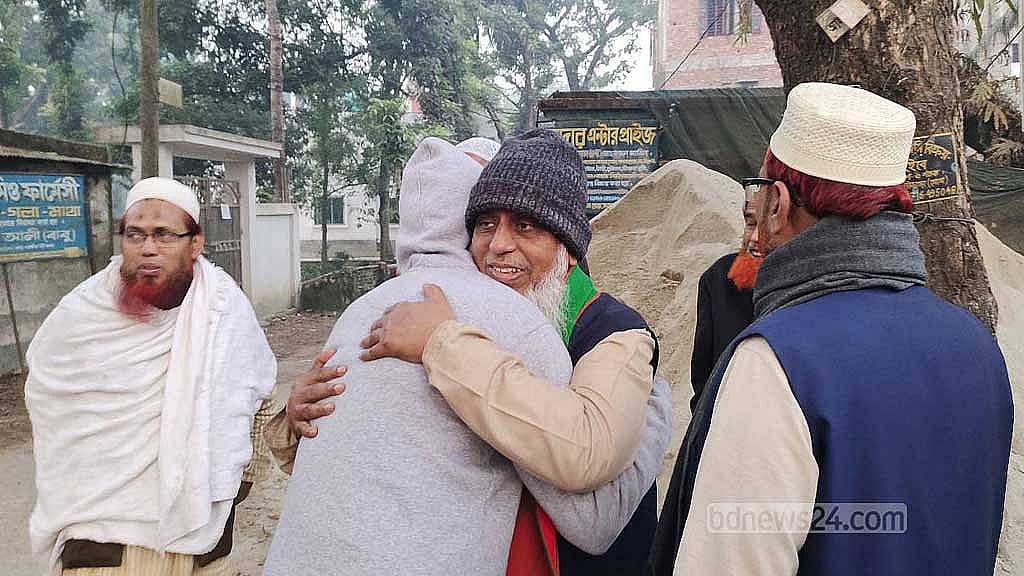
Voters speak of a knife-edge contest. If voting is fair, victory could go either way. Smaller parties are also in the fray.
Habib’s profile is complicated by his past. Convicted and sentenced to 70 years in a case over an attack on former prime minister Sheikh Hasina’s motorcade, he spent years in prison before his release in 2024.
Supporters say the ordeal has made him popular locally as a “persecuted” leader. Izzatullah, a Jamaat central executive member, counters with relentless ground work and a loyal “vote bank”.
Satkhira-1 has about 496,848 voters -- roughly 247,873 men, 248,973 women, and two third-gender voters.
SATKHIRA-2: JAMAAT FACES TRIPLE THREAT
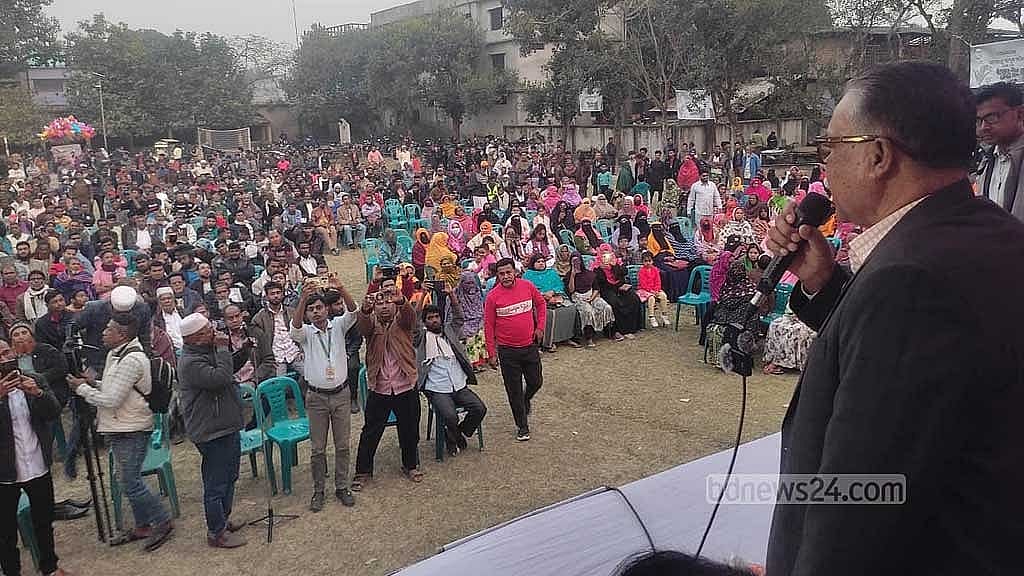
Satkhira-2 -- Sadar and Debhata -- has long been seen as Jamaat territory. This time, victory will not come easily. Jamaat’s Abdul Khaleque Mondol faces BNP candidate Abdur Rauf and former MP, Jatiya Party’s Ashrafuzzaman Ashu.
After the BNP named its candidate, protests by those denied nominations rattled the area, but no “rebel” emerged.
Jamaat’s pedigree here is strong: Kazi Shamsur Rahman won in 1991 and 1996; Mondol in 2001.
The seat then swung -- Jatiya Party in 2008 with grand alliance backing; Awami League’s Mir Mostaque Ahmed Robi from 2014 to 2024; and Ashu’s upset win in 2024.
Locals say the balance now tilts slightly towards Jamaat, though a three-way fight remains likely.
BNP SPLITS, JAMAAT BENEFITS
Satkhira-3 -- now Ashashuni merged with Kaliganj -- illustrates the cost of division.
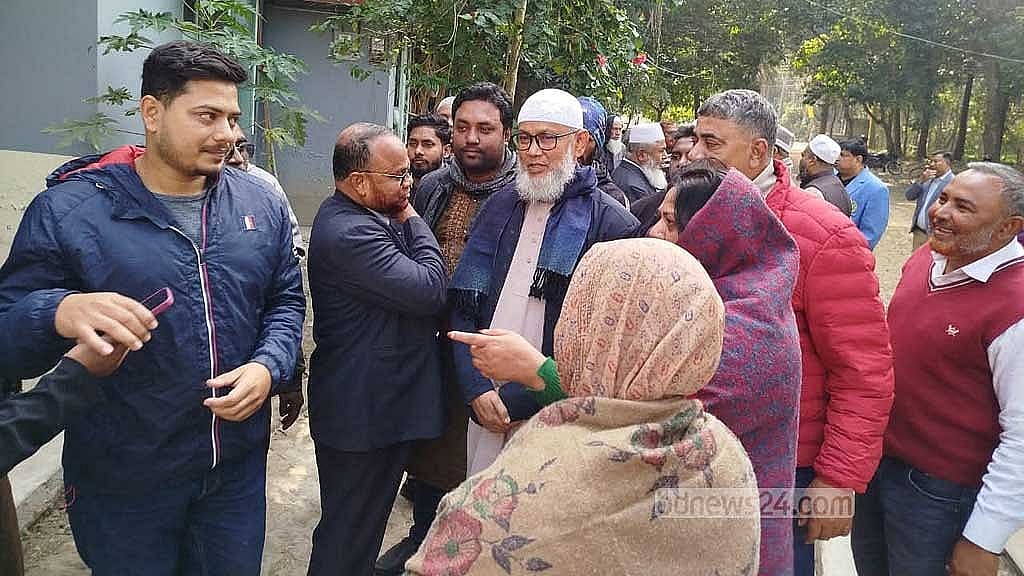
Traditionally BNP-leaning, it features a “rebel”: Shahidul Alam, contesting with the “Football” symbol. His challenge to the BNP nominee and former MP Kazi Alauddin has opened space for Jamaat’s former district chief Rabiul Bashar.
Shahidul has been expelled from the BNP, yet a sizeable local following continues to support him, raising fears of a split vote -- an advantage, grassroots workers say, for Jamaat.
The seat has about 502,222 voters -- 253,984 men, 248,335 women, and three third-gender voters.

A STRAIGHT FIGHT FOR CHANGE AND RETURN
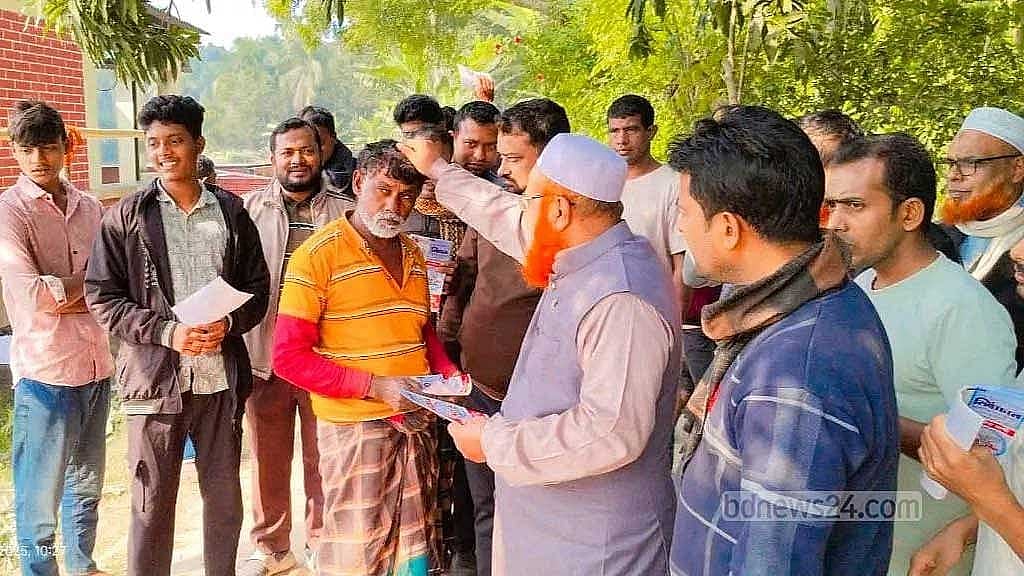
Satkhira-4 -- Shyamnagar -- has often been ceded to Jamaat under alliance politics. This time, the BNP is energised by fielding its own candidate.
Veteran Jamaat leader and two-time MP Gazi Nazrul Islam faces a young BNP challenger Moniruzzaman.
Nazrul’s personal vote bank maintains Jamaat’s strength. Yet BNP organisers say years of groundwork, a fresh face, and the return of former “rebels” to the fold have levelled the field.
The contest, many believe, is now even.
Satkhira-4 counts 298,050 voters -- 150,026 men, 148,020 women, and four third-gender voters.
WHAT THE LEADERS SAY
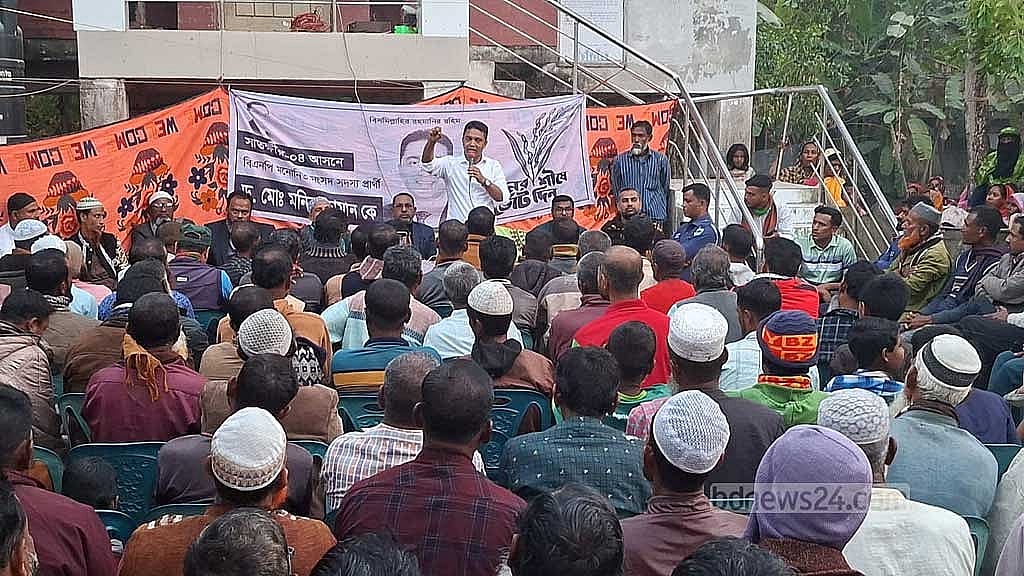
Rahmatullah Palash, convenor of the Satkhira BNP, insists the party’s real contest is with Jamaat -- and that it is ready.
“Our position is consolidated in all four seats,” he said. “There were incidents -- police stations looted, weapons outside. We have security concerns.
“If the election is peaceful, all four seats will go to the BNP.”
He dismissed fears over “rebels” and downplayed the prospect of three-way fights.
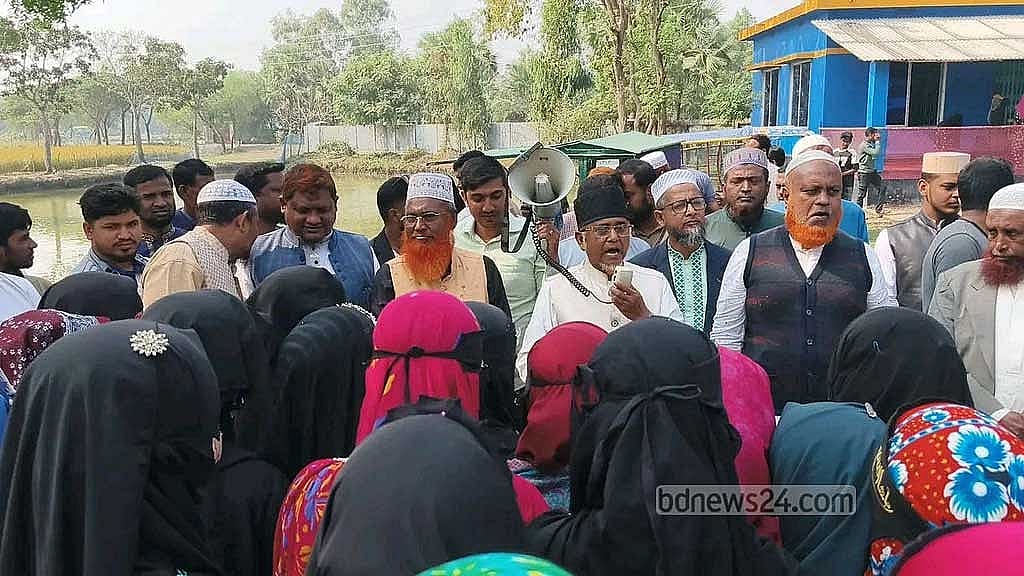
Jamaat’s District Secretary Azizur Rahman struck a confident note, saying the party sees “full potential” for victory in all four seats and is satisfied with the overall environment.
Ashu of the Jatiya Party, contesting in Satkhira-2, offered a final reminder of unpredictability.
“I was elected from Sadar,” he said. “If a level playing field is ensured, I will be elected again.”
In Satkhira, the battle for change and return could be decided, not by slogans, but by unity, history, and razor-thin margins.