Published : 22 Jul 2025, 03:17 PM
Updated : 28 Aug 2026, 01:23 AM


When disaster strikes, the instinct to help is immediate.
Across Bangladesh, people rush to hospitals and blood donation centres, sleeves rolled up -- ready to save lives in one of the most spontaneous, emotional, and selfless human responses to disaster.
Yet, amid the rush to assist, a hidden challenge emerges.
Most donors, despite their good intentions, do not always know how the system works.
Few are aware of how long blood lasts, what types are most needed, or how overwhelmed centres become during a surge.
In trying to help, many may unintentionally create new problems, including overloading fragile systems, wasting vital resources, and even limiting supply for future emergencies.
A tragedy shook the capital on Monday as a Bangladesh Air Force jet crashed into a building of Milestone School and College in Dhaka’s Diabari.
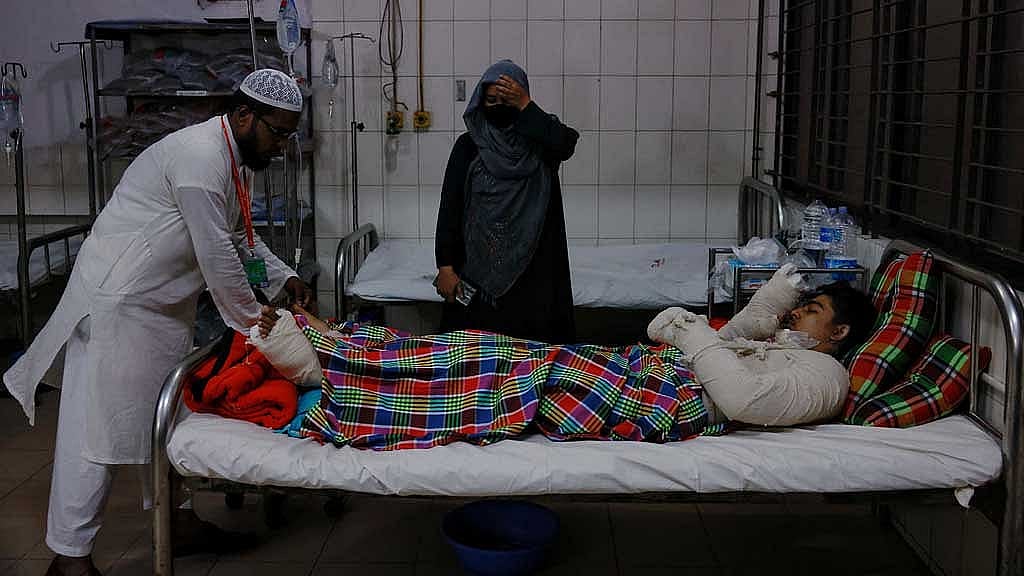
At least 25 people have died, while more than 150 have suffered injuries and burns in the deadly crash.
According to the Inter-Services Public Relations (ISPR), the F-7 BGI jet took off at 1:06pm and crashed just 12 minutes later, during a solo training flight.
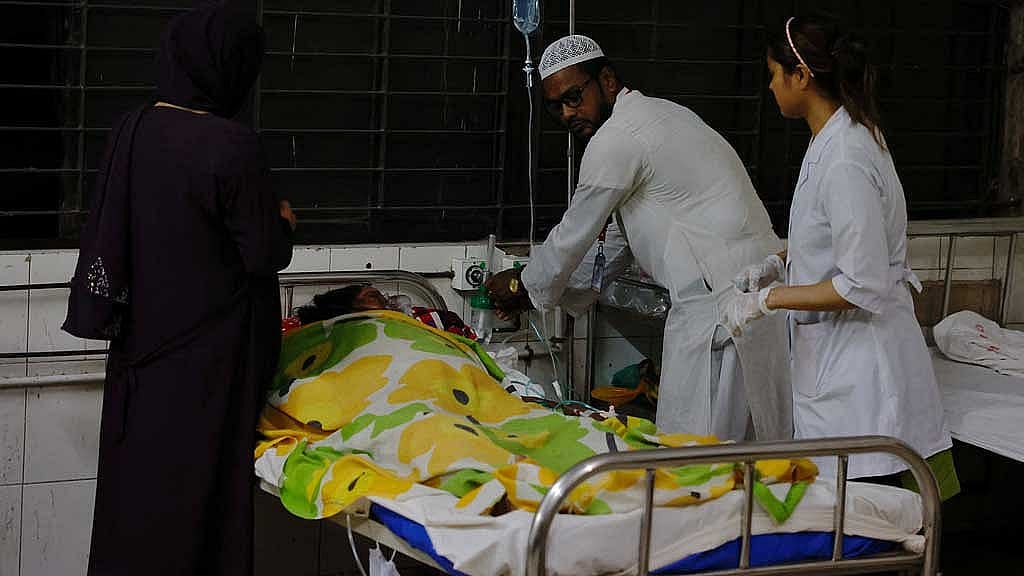
Over a dozen ambulances carried victims to hospitals, including Dhaka’s Combined Military Hospital (CMH), Crescent Hospital, Uttara Adhunik Hospital, Kurmitola Medical College, Kuwait Bangladesh Friendship Government Hospital, and Lubna General Hospital. Many of the severely burned were later moved to the National Institute of Burn and Plastic Surgery.
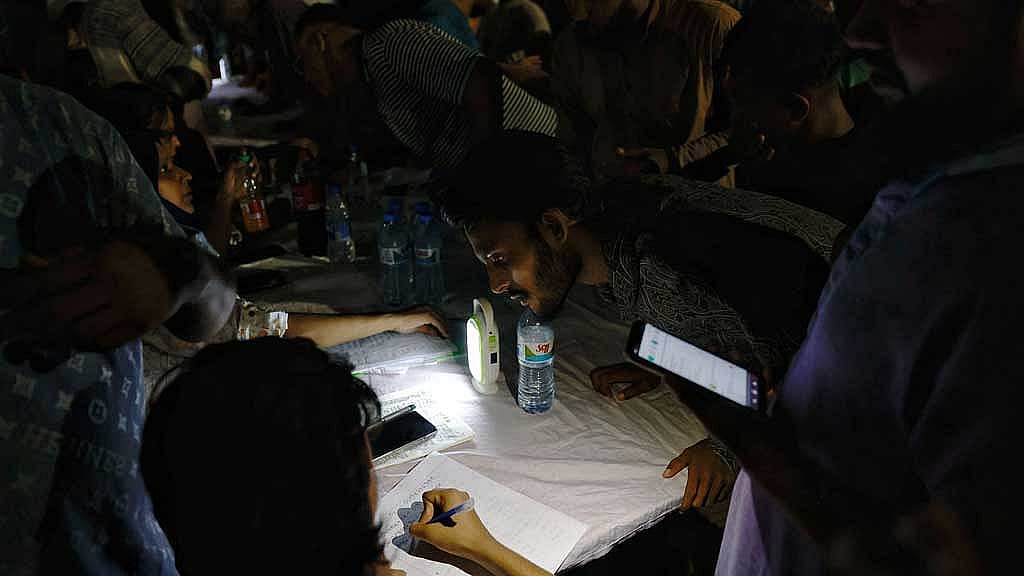
The incident triggered a wave of public compassion, as people hurried to donate blood for the injured.
A bdnews24.com journalist went to donate blood at the Red Crescent Blood Centre in Mohammadpur, where Dr Zahidur Rahman, medical officer and in-charge, shared concerns about the challenges that accompany sudden donation surges.
He highlighted that when donating blood during crises, several important factors must be considered to ensure the process is effective and safe.
Maruf Orpio, associate professor at the Department of Plastic Surgery and Burn of the National Institute of Burn and Plastic Surgery, also urged people not to come to donate blood without proper information.
In the video posted on his personal Facebook account, he said: “We do not transfuse blood within the first 24 hours. There is no need for blood at the moment, so please do not spread misinformation.”
"Please come to donate after 8am [on Tuesday]. Help us by avoiding large crowds,” he added.
Following a disaster, it is crucial to assess how much blood will actually be used and how much can be properly stored, as blood has a limited shelf life and may need to be discarded if unused.
Safe transportation is another key concern, as blood quality can deteriorate if not handled correctly during transit.
Blood centres and hospitals often face capacity limits and may have to turn donors away, especially since certain blood groups, like O, are more common while others, like AB, are harder to find.
To manage supply effectively, it is better to compile donor lists and call individuals according to actual need rather than accepting all donations immediately, he said.
Maintaining collection safety and adhering to strict quality standards, such as those outlined by the World Health Organization (WHO) and the Directorate General of Health Services (DGHS), is essential -- especially in centres with limited resources and operational capacity.
Understanding these challenges is vital for donors who want to help effectively during crises because thoughtful and informed donations save more lives than rushed and uncoordinated efforts.
DONOR SCREENING CHALLENGES
A senior staff nurse at Uttara Adhunik Medical College Hospital told bdnews24.com, “One of the major challenges we face in crises is uncertainty about donors' blood groups. Someone may claim to have a negative blood group, but cross-checking may reveal a positive one.
“In some cases, hepatitis or other health issues are detected, making the blood unusable. This complicates efforts to find a replacement donor in an emergency.”
She added, “Some of the donors have low haemoglobin levels. Our blood bank maintains a stock of blood, stored in accordance with the rules. This is usually sufficient.
“We avoid storing excess amounts to avoid wastage or loss of function due to expiry.”
DEMAND
Bangladesh is home to several prominent voluntary blood donor organisations, such as the Red Crescent Society, Sandhani, and Badhan that play a pivotal role in supporting the national blood supply.
A WHO report released on Jul 7, 2025, ahead of World Blood Donor Day, reveals that only 30 percent of blood donations come from voluntary, non-remunerated donors.
The rest are sourced from family or replacement donors.
The report also highlights inefficiencies in need-based collection, with a notable portion of donated blood going unused.
The Bangladesh Red Crescent Society states there is an "urgent need for all types of blood groups" daily, with "rare blood groups such as O Negative, B Negative and A Negative" being in high demand.
Quantum Method, a prominent voluntary blood donation organisation in Bangladesh, provides a real-time "Blood Demand for now" (as of Jul 12, 2025) on their website. This gives a snapshot of their current needs:
Total Demand: 242 units
Positive Blood Groups:
O+: 78 units
B+: 72 units
A+: 53 units
AB+: 24 units
Negative Blood Groups:
B-: 10 units
A-: 2 units
AB-: 2 units
O-: 1 unit
GUIDELINES
The WHO provides a global framework for national blood systems, emphasising voluntary, non-remunerated donations and stringent quality management.
Donor selection criteria:
To ensure the safety of both the donor and the recipient, strict donor selection criteria are applied. Donors are assessed based on their age, weight, general health, medical history, and lifestyle.
Age: Generally between 18 and 65 years. National legislation may allow 16-17 year-olds with consent, and regular donors over 65 might be accepted at a physician's discretion.
Weight: Minimum of 50kg for whole blood donation (some countries allow 45 kg for 350ml donation).
General health: Donors must be in good health at the time of donation.
Haemoglobin levels: Required minimum haemoglobin levels (not less than 12.0 g/dl for females and 13.0 g/dl for males in many countries). A test will be administered at the donation site.
[Additional reporting by Masum Kamal; Editing by Shoumik Hassin]