Published : 26 Apr 2026, 11:40 AM
Updated : 21 Aug 2026, 03:38 PM


The widening conflict across the Middle East has upended life for Bangladeshi expatriates across the Gulf, leaving many grappling with job losses, shrinking incomes and soaring living costs.
“Here our normal life has been completely disrupted since the war started,” says Shahed Hossain, a migrant from Lakshmipur’s Ramganj.
He moved to Qatar two years ago.
Working at a restaurant in Doha, Shahed told bdnews24.com that the tourism sector has collapsed.
"Tourists have largely fled since the drone and missile strikes started. Even the ingredients for the fast food we prepare are in short supply," he said.
Shahed said the cost of living has surged sharply. Onions that earlier cost 1–2 riyals per kg now cost 5–6 riyals. Potatoes have risen from 1 riyal to 4–5 riyals per kg, while cooking oil has increased from 9–10 riyals per litre to 17–18 riyals.
“We go to different supermarkets looking for cheaper prices, but everywhere it is the same. Sellers say prices have increased due to supply shortages,” he added.
Describing the wider impact, Shahed said many businesses are cutting staff due to falling sales.
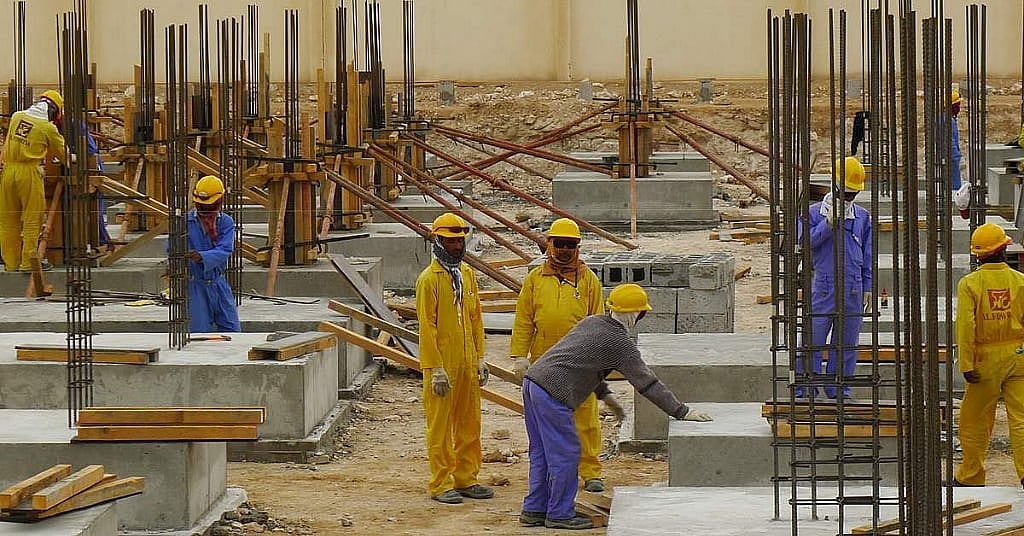
“There is no work. We are also living in fear. We cannot even ask for salaries properly, as we can see business is down. Hundreds of Bangladeshi expatriates are living in uncertainty here,” he said.
The anxiety is echoed in Kuwait City by Nasir Uddin, an aluminium factory worker from Chandpur.
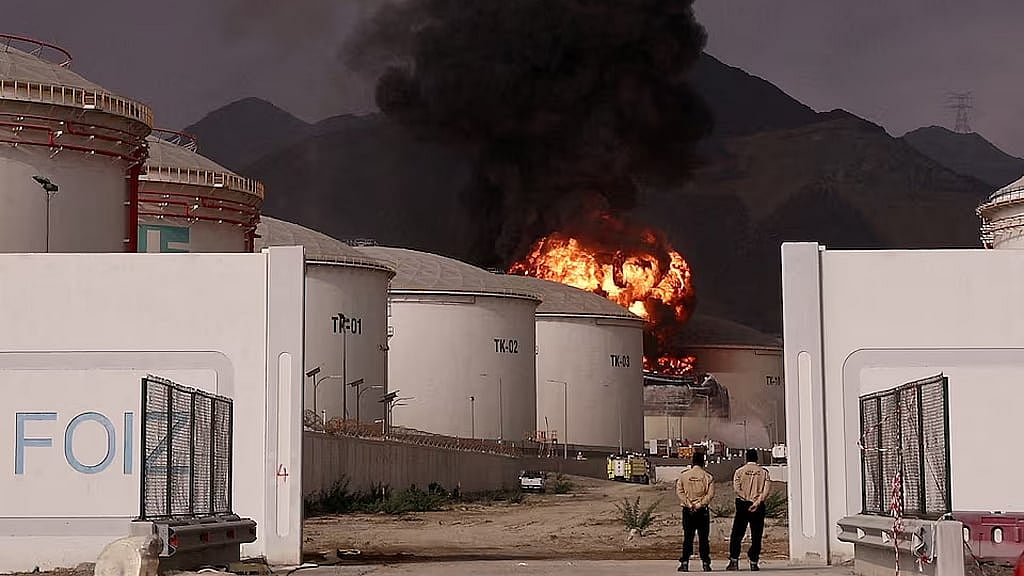
Despite a recent ceasefire, the trauma of continuous missile and drone attacks remains.
"Work has completely dried up. On top of that, I need nearly Tk 300,000 to 400,000 for my residency permit (Iqama), or I will become undocumented. The mental tension is unbearable," Nasir said.
He added that while some prices have dipped slightly following the truce, many migrants remain unemployed and terrified.
In the United Arab Emirates, a Bangladeshi worker at a five-star hotel in Dubai -- who requested anonymity due to company policy -- described being "traumatised" by the constant threat of aerial strikes.
"We used to be overwhelmed serving Gahwa (a traditional drink) to tourists, but now the hotels are empty," he said.
"Before every attack, warning messages flash on our phones. Even now, I feel like a strike could happen at any moment. Managing expenses has become a daily struggle."
Saiful Islam, a migrant from Brahmanbaria’s Sarail working in Manama, Bahrain, recently lost his job at a supermarket.
"Five of us lived close to a US base in Bahrain. After the base was attacked, everything was shut down," he told bdnews24.com.
"My employer told me to look for other work starting next month. We are in great distress. It would be helpful if the government discussed our situation with the Bahraini authorities."
In Saudi Arabia, the impact is being felt through rising commodity prices and a stagnant tourism sector.
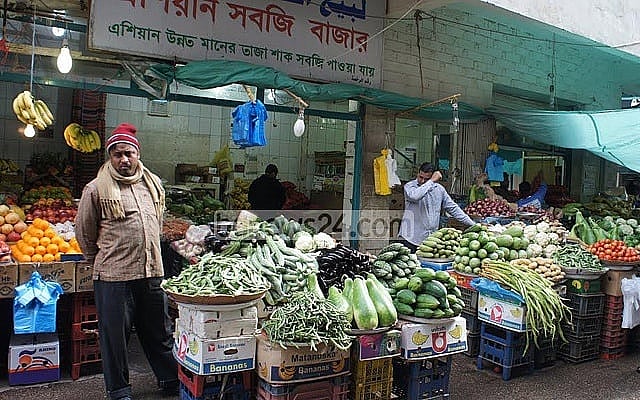
Sakhawat Hossain, an expat from Chandpur residing in Riyadh, noted that prices for import-dependent essentials like green chillies, onions, and ginger have surged.
"The biggest impact has been on tourism. With no tourists arriving, workers in this sector are in total despair," said Sakhawat, who works in event marketing.
He explained that major business events have been cancelled or postponed.
"Many workers at top hotels like the Hilton or Holiday Inn are facing a 25 percent salary cut because international organisers have stopped coming."
Yusha Khan, another expat in Riyadh from Cumilla’s Debidwar, highlighted the struggle to save money.
Working for a restaurant on a 1,200-riyal salary, he said his monthly food expenses have jumped from 250 riyals to 350 riyals.
"After covering food, rent, and other costs, there is hardly anything left to send home," Yusha said.
According to him, the price of onions has risen from 1.75 riyals to 2.5 riyals per kg, while green chillies have more than doubled from 10 riyals to 25 riyals.
Even common items like aubergines and apples have seen significant price hikes.
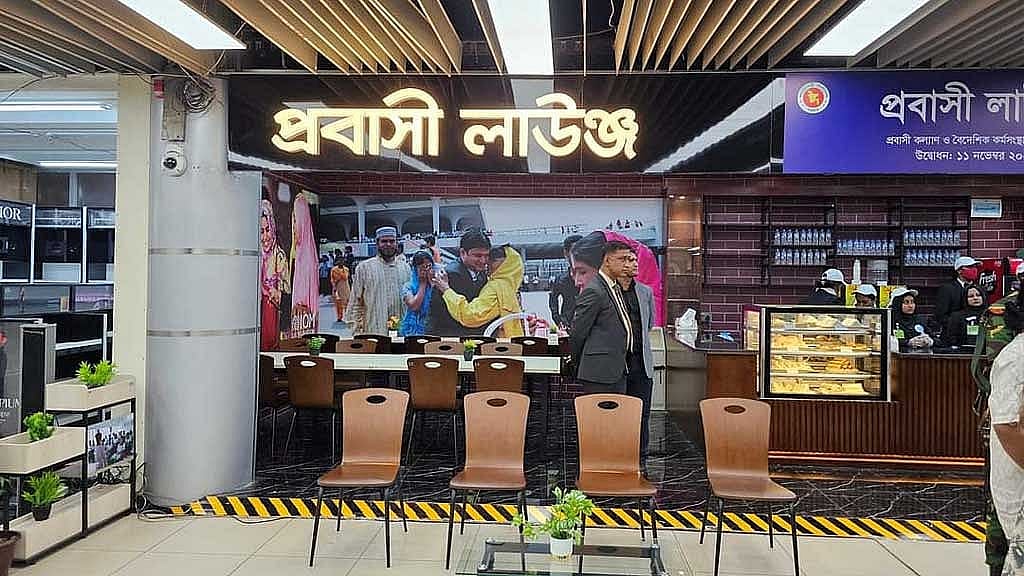
The region has been in turmoil since Feb 28, following a joint strike by Israel and the United States on Iran.
The attack reportedly killed Iran’s Supreme Leader Ayatollah Ali Khamenei and his several family members, while the current leader, Ayatollah Mojtaba Ali Khamenei, was said to be seriously injured.
In retaliation, Iran launched extensive strikes targeting US bases and strategic installations in Qatar, Kuwait, the UAE, and Bahrain, with smaller-scale attacks on Oman and Saudi Arabia.
These counter-attacks have claimed the lives of several Bangladeshi expatriates, with at least six bodies repatriated to the country so far.
Fears of a Slump in Remittances
The recent surge in remittances may soon face a sharp decline as the conflict in the Middle East takes its toll on the earnings and savings of expatriates.
In March, Bangladesh recorded its highest-ever monthly remittance inflow, with expats sending $3.75 billion through banking channels.
During the first nine months of the 2025-26 fiscal year (July–March), the total inflow reached $26.20 billion.
Data from the Bangladesh Bank shows that $10.31 billion of this total was sourced from six Gulf nations: Saudi Arabia, Qatar, Kuwait, the UAE, Bahrain, and Oman.
While $2.82 billion arrived in the first 23 days of March, the figure for the first 22 days of April stands lower at $2.41 billion.
Experts fear this momentum is unsustainable.
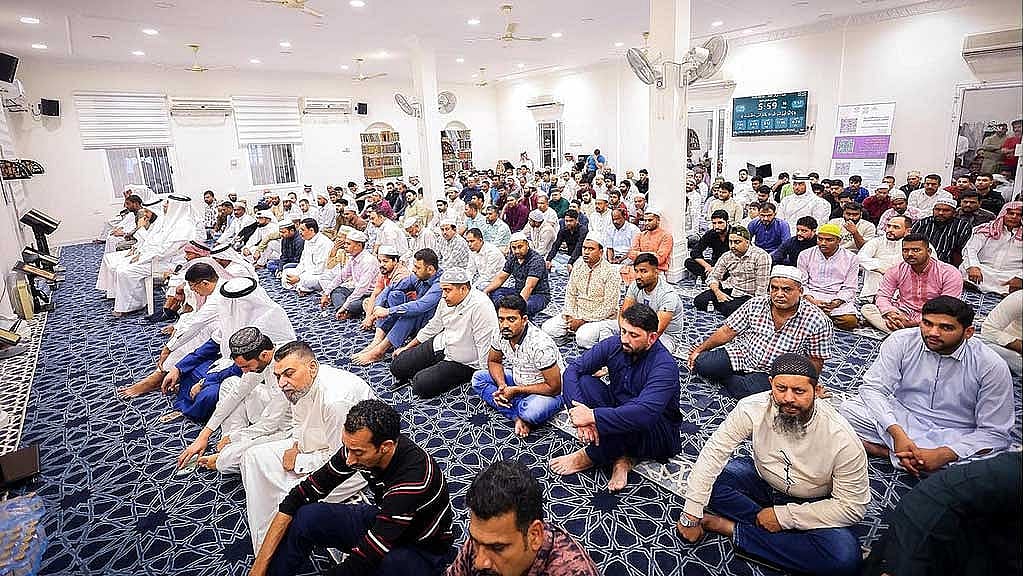
They suggest the recent spike was largely driven by expats sending home their remaining savings due to the uncertain war situation, even as their monthly salaries remain stuck.
Shakirul Islam, chairperson of migrant support NGO Ovibashi Karmi Unnayan Programme (OKUP), told bdnews24.com that at least 200 expatriates have already registered complaints regarding unpaid wages.
“They might have had some money set aside that they hadn't sent home yet, which they are now spending on themselves. Some are even dipping into savings held back in Bangladesh. If this continues and they don't receive their salaries by the end of this month, they will fall into debt,” he said.
Moreover, the rising cost of living in the Middle East is expected to reduce the amount expats can save and send home, directly impacting the national economy.
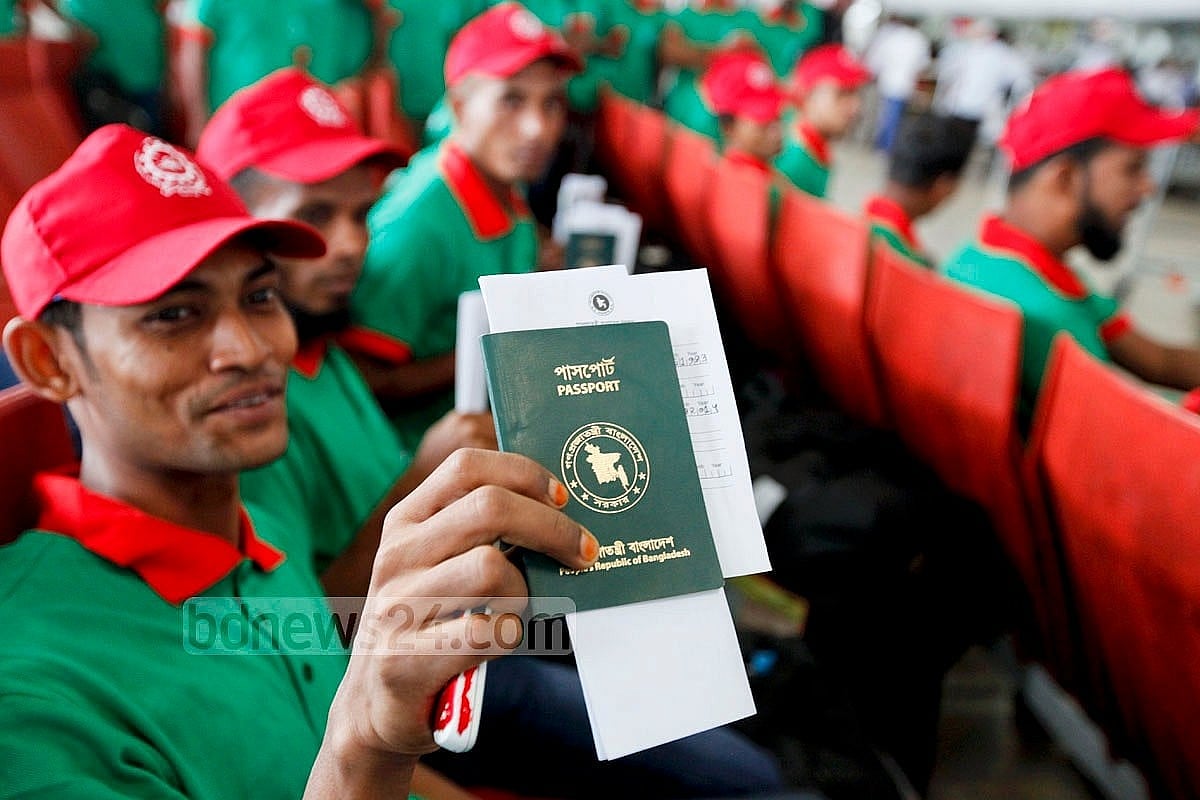
The vast majority of Bangladeshi migrant workers are concentrated in the six Gulf Cooperation Council (GCC) countries, all of which host US military bases. According to the Bureau of Manpower, Employment and Training (BMET), over 6 million Bangladeshis currently work in these nations.
BMET data reveals that 919,435 workers migrated to these six countries in 2025 alone. Over the last five years (2020–2024), a total of 3.2 million people left Bangladesh for employment in these Gulf states.
Need for Multi-Pronged Support
Experts and rights activists are urging the government to step up its diplomatic and financial support as the crisis deepens.
OKUP Chairperson Shakirul told bdnews24.com that their international network has reported widespread panic among workers.
"Everything has become more expensive, work is drying up, and many are not receiving their wages. This is escalating into a massive crisis," he said.
He called on Bangladeshi embassies to become more "proactive" by arranging alternative employment or facilitating repatriations.
Shakirul also suggested that the Ministry of Expatriates' Welfare should offer low-interest loans to the families of those who have lost their jobs abroad.
"Workers are asking for loans so their families can survive while they are stuck without pay," he added.
Addressing the dire situation in Lebanon, Shakirul noted that many Bangladeshis who fled border areas for Beirut are now living under the open sky in makeshift shelters.
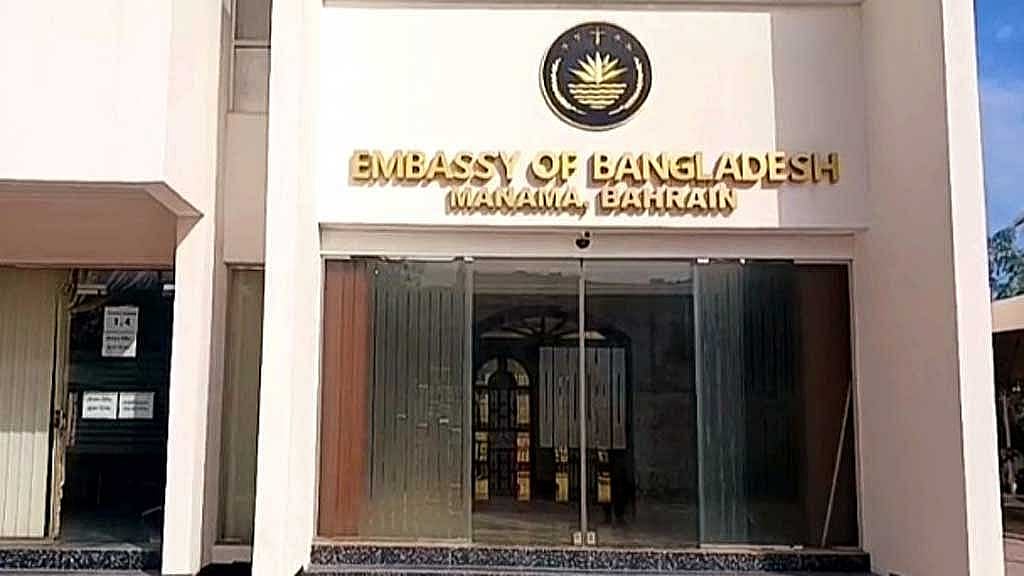
While the embassy provides some food aid, workers describe it as "insufficient".
He stressed that similar levels of government and embassy support must be extended to workers in Kuwait, Saudi Arabia, and Bahrain.
Asif Munir, a migration and refugee specialist, drew parallels with the COVID-19 pandemic when embassies provided financial aid and low-cost essentials to those in distress.
"While it is difficult to support millions, the government could set specific criteria -- such as income thresholds or verified job loss -- to provide temporary subsistence allowances through missions," Asif said.
"A special fund could be a way forward."
He warned that the economic fallout is unavoidable.
"Even if the war stopped today, the impact would persist. Rising fuel prices lead to higher commodity costs. We are feeling it in Bangladesh, but those in the Middle East will feel it far more acutely."
Government Monitoring and Support
The government maintains that it remains fully committed to the welfare of expatriates, despite the global nature of the current economic strain.
Md Shahidul Islam Chowdhury, joint secretary (employment wing) of the Ministry of Expatriates' Welfare and Overseas Employment, told bdnews24.com that the difficulties faced by migrants are part of a broader global crisis.
"Problems exist everywhere, including in Bangladesh. We’ve even reduced office hours by an hour here. It is natural that since the majority of our workers are in the Middle East, they are facing some issues during a war," he said.
Detailing the ministry's response, he added: "We have launched a 24-hour hotline to receive complaints from expats. We monitor their needs and have formed committees that work around the clock to track their situation."
The joint secretary emphasised that the government acts immediately upon receiving reports of distress.
"Whatever information we get is instantly forwarded to the respective embassies with instructions to provide proper assistance. We are also providing the usual support in cases where workers have died."
Shahidul reiterated the high-level commitment to the cause: "The prime minister and our minister have both said in parliament that we always stand by expatriates and are ready to provide any support.
"We are not just prepared -- we are already doing so. If the situation worsens, the government will further expand its assistance."