Published : 07 Dec 2025, 01:48 AM
Updated : 21 Aug 2026, 02:51 PM


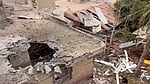
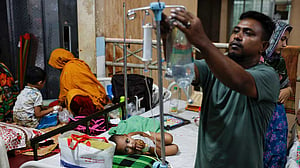
The death toll from the floods and landslides across parts of Asia has risen to more than 1,750 people, while recovery efforts have been hindered by fresh heavy rains in the worst-affected countries of Indonesia, Sri Lanka and Thailand.
According to Al Jazeera, rescue teams and volunteers have been attempting to support millions of people affected by the climate-driven disaster as the number of confirmed deaths continues to mount.
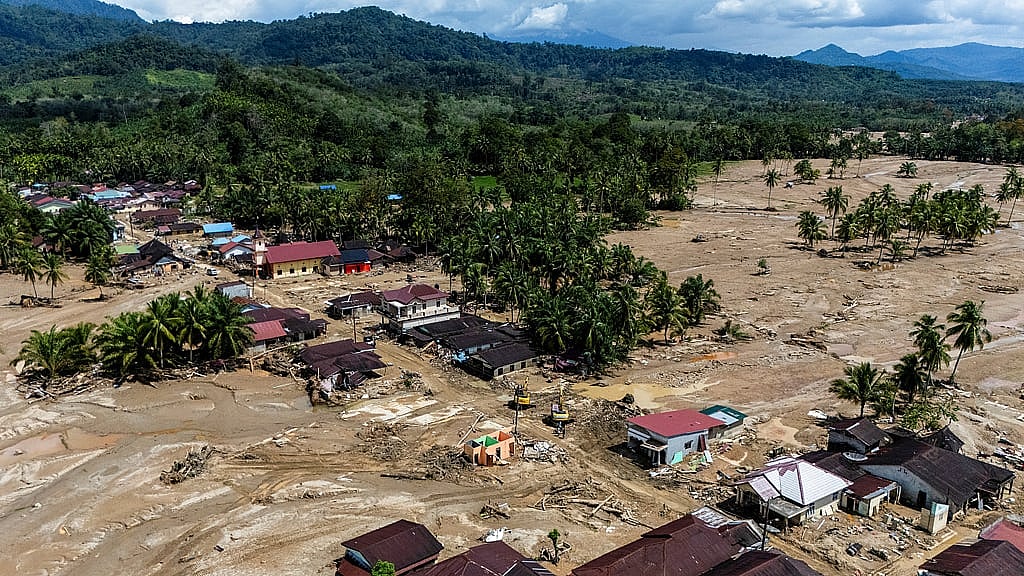
The Qatar-based news channel reported that Indonesia confirmed at least 908 deaths, with another 410 still missing in Aceh province on Sumatra.
More than 800,000 people have been displaced, it said, citing the latest figures from Saturday.
It added that heavy rains have continued to pose serious risks, with Indonesia’s meteorological agency warning that Aceh could face “very heavy rain” through Saturday, and that North and West Sumatra also remain vulnerable.
Aceh Governor Muzakir Manaf said response teams were still searching for bodies in “waist-deep” mud, while starvation has become one of the most serious threats for remote and inaccessible areas.
“People are not dying from the flood, but from starvation. That’s how it is,” he added.
He noted that entire villages in Aceh Tamiang had been washed away. “Many villages and sub-districts are now just names.”
In Sri Lanka, where more than two million people have been affected, the broadcaster said officials have warned of further heavy rain raising the risk of new landslides.
Sri Lanka’s Disaster Management Centre said more than 71,000 homes were damaged, including nearly 5,000 that were destroyed by floods and landslides last week.
Al Jazeera said rain alerts remained in place on Friday, hampering cleanup work in the worst-hit central region.
Thailand recorded at least 276 deaths, the media organisation said. It added that Malaysia and Vietnam each logged two deaths following landslides triggered by heavy rains.
The broadcaster said the disaster followed two typhoons and a cyclone moving through the region simultaneously last week, bringing rainfall that experts have linked to climate change. Illegal logging driven by the global demand for palm oil has also worsened the impact in Indonesia, where photographs showed large numbers of tree logs swept downstream.
Indonesia’s Forestry Minister Raja Juli Antoni said on Friday that the government was cancelling the logging licences of 20 companies, covering 750,000 hectares.
Environment Minister Hanif Faisol Nurofiq “immediately” halted the activities of palm oil, mining and power plant companies operating upstream of disaster-affected areas in northern Sumatra on Saturday, according to Antara.
“The Batang Toru and Garoga watersheds are strategic areas with ecological and social functions that must not be compromised,” Hanif said.
Al Jazeera cited Febi Dwirahmadi, programme coordinator at the Centre for Environment and Population Health at Griffith University, as saying rainforest cover “acts like a sponge” by absorbing water during heavy rainfall.
He said after deforestation, which is also contributing to climate change, there is nothing to slow the rainfall as it rushes into waterways.