Published : 28 Feb 2026, 08:56 AM
Updated : 28 Aug 2026, 01:32 AM


Weeks after the Taliban's lightning offensive in 2021 wrested control of Afghanistan from a US-led military coalition, Pakistan's then intelligence chief flew into the capital Kabul for talks, where the serving lieutenant general told a reporter: "Don't worry, everything will be okay."
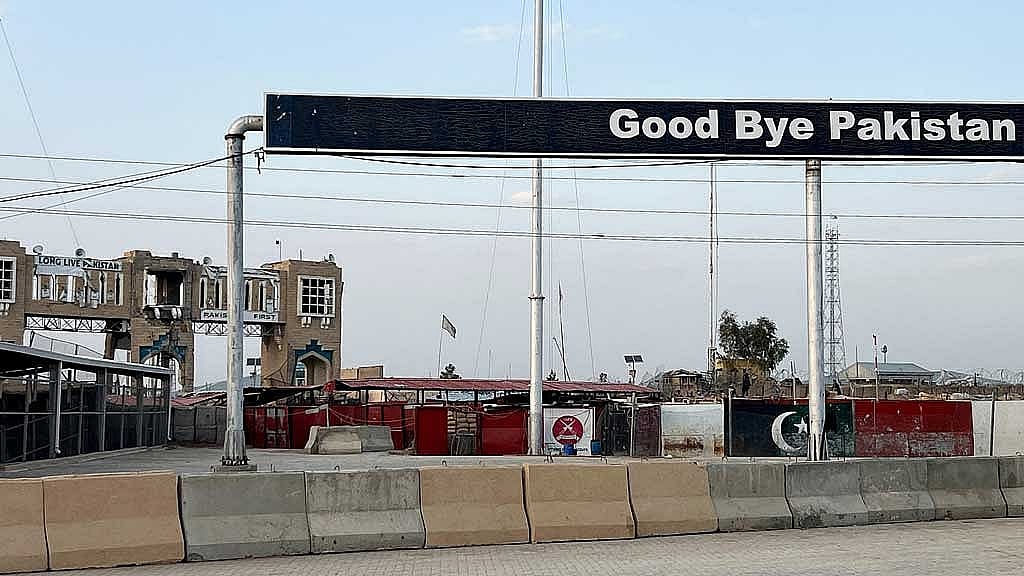
Five years on, Islamabad - long seen as a patron of the Taliban - is locked in its heaviest fighting with the Islamist group, which Pakistan's Defence Minister Khawaja Muhammad Asif described on Friday as an "open war".
The strikes by Pakistan mark the first time it has directly targeted its former allies over allegations they are harbouring militants.
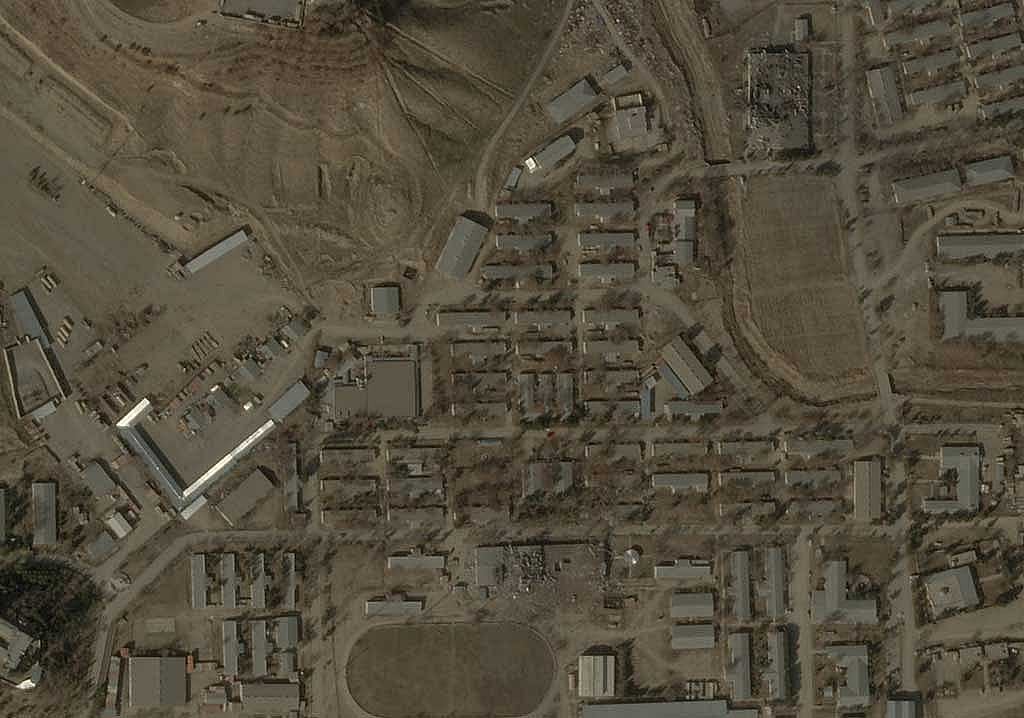
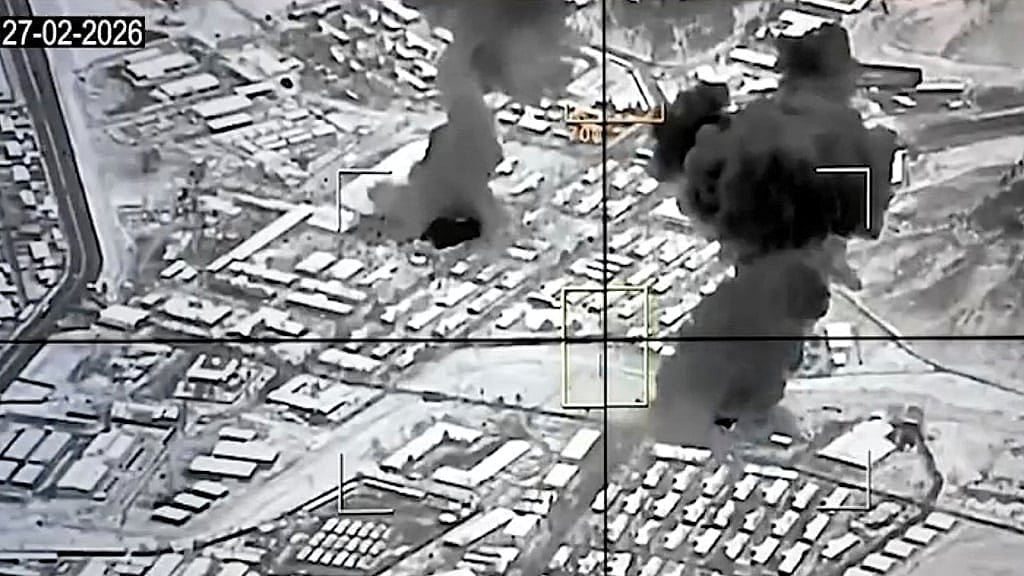
Following a series of border clashes, Pakistan used warplanes to hit Taliban military installations deep inside the country, including targets in the capital, Kabul, and the southern city of Kandahar, the seat of Taliban supreme leader Hibatullah Akhundzada.
Thick plumes of black smoke rose from two sites in Kabul and a huge blaze was also visible in video verified by Reuters.
"The plane came and dropped two bombs, then flew away again. After that, we heard explosions," said Kabul taxi driver Tamim, who was asleep when the strikes hit. "Everyone, in panic, ran down from the second floor of the house. The ammunition inside the depot kept exploding on its own."
A Nightmare Security Scenario
The turmoil means that a wide swathe of Asia - from the Gulf to the Himalayas - is now in flux, with the United States building up a military deployment against Afghanistan's neighbour Iran even as relations between Pakistan and arch rival India remain on edge after four days of fighting last May.
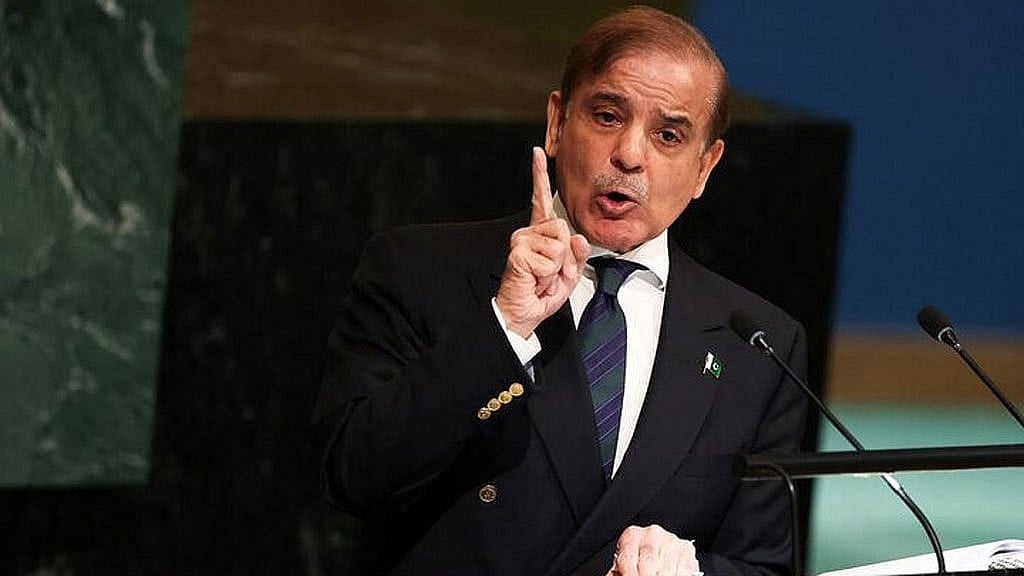
At the heart of the conflict with Afghanistan is Pakistan's accusation that the Afghan Taliban provides support to militant groups, including the Tehreek-e-Taliban Pakistan (TTP), that have wreaked havoc across inside the South Asian country.
The Afghan Taliban, which has previously fought alongside the TTP, denies the charge, insisting that Pakistan's security situation is its internal problem.
The disagreement is a reflection of starkly incompatible positions taken by both sides, as Pakistan expected compliance after decades of support to the Taliban, which did not see itself beholden to Islamabad, analysts said.
"Neither side had an honest conversation about what the relationship would actually look like. That structural misunderstanding is the seed of everything that followed," said Jennifer Brick Murtazashvili, a political scientist at the University of Pittsburgh and an Afghanistan expert.
Clashes, Casualties
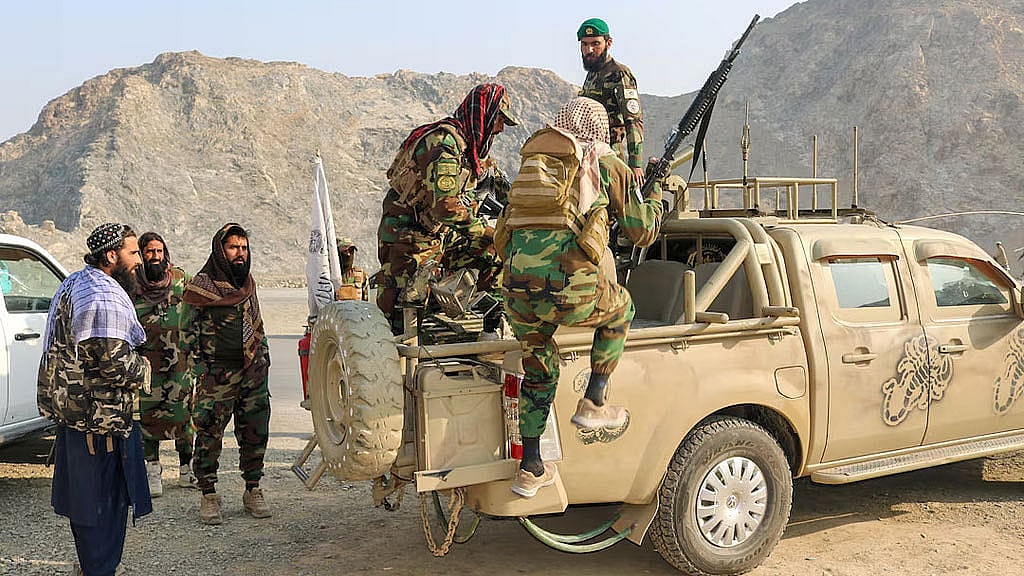
Although tensions have simmered along their rugged 2,600-km (1,615-mile) frontier for months, following clashes last October, Friday's fighting is notable because of Pakistan's use of warplanes to hit Taliban military installations instead of confining the attacks to the militants it allegedly harbours.
These include targets deep inside the country in Kabul, as well as the southern city of Kandahar, the seat of Taliban supreme leader Hibatullah Akhundzada, according to Pakistan military spokesman Lieutenant General Ahmed Sharif Chaudhry.
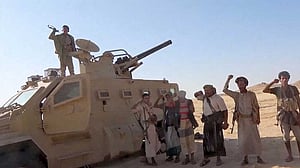
Multiple ground clashes were reported along the 2,600-km frontier on Friday.
Pakistan claimed it killed 274 Taliban officials and militants, confirming 12 of its own soldiers died in the fighting.
Conversely, Afghanistan claimed it killed 55 Pakistani soldiers while losing 13 of its own fighters.
The Taliban said Afghan forces used drones to hit Pakistani military targets, though Pakistan claimed all drones were intercepted without damage.
Despite the "open war" declaration, the Afghan foreign ministry quoted Foreign Minister Amir Khan Muttaqi as telling Qatari officials that Afghanistan prefers to resolve issues based on "mutual understanding and respect”.
“Afghanistan has never been a supporter of violence and has always preferred to resolve issues based on mutual understanding and respect. This approach will be effective only if the other party demonstrates practical and sincere willingness to find solutions,” he said.
Disparity in Military Strength
Pakistan’s military, nuclear-armed with 660,000 active personnel and 465 combat aircraft, faces a Taliban force of around 172,000 fighters with limited armour and no air force.
Analysts note, however, the Taliban could mobilise insurgents like the TTP and the Baloch Liberation Army (BLA) to continue cross-border attacks, escalating the conflict beyond the frontier.
Former Pakistan diplomat Maleeha Lodhi noted a two-front challenge for Pakistan, as it also faces tensions with India after last May’s four-day fighting.
Qatar, China, Russia, Turkey, and other nations have offered mediation, but limited success has been achieved, leaving a prolonged crisis along the Afghan-Pakistan frontier.
Civilian impact, High Alert
Reuters witnesses in Kabul reported ambulance sirens and loud blasts, while the Taliban spokesperson Zabihullah Mujahid said Pakistani strikes hit Kabul, Kandahar, Paktia, Paktika, Khost, and Laghman. While no casualties were reported in night strikes, civilian casualties occurred during Friday’s attacks, with the UN and Kabul reporting 13 civilians killed.
Pakistan’s Punjab provincial government raised high alert for militant attacks, conducting security operations and detaining 90 Afghan nationals for potential deportation.