Home
+
Published : 28 Jul 2025, 02:42 AM
Women's rights activists and indigenous student groups in Bangladesh say structural discrimination remains entrenched despite a major overhaul of the country's controversial government job quota system, introduced following the July Uprising.
Responding to intense public pressure, the former Awami League administration reduced priority quotas from 56 percent to 7 percent in July last year, following a Supreme Court ruling. However, activists contend these changes have not significantly diminished discrimination.
Key quotas, such as those previously reserving 10 percent each for women and disadvantaged districts, were entirely abolished. The previously substantial 30 percent allocation for grandchildren of freedom fighters was also dramatically cut to just 5 percent, reserved exclusively for the immediate children of freedom fighters, martyred heroes, and “Biranganas” -- women subjected to wartime sexual violence.
Ethnic minorities saw their quota shrink from 5 percent to merely 1 percent, while transgender candidates were grouped into the existing 1 percent quota for people with disabilities.
Women's advocacy groups have strongly criticised the removal of gender quotas, arguing it severely undermines efforts to achieve workplace equality. Indigenous student representatives similarly highlight significant setbacks, citing increasing challenges as their reserved opportunities diminish.
Further criticism centres on the abolishment of district quotas, with stakeholders warning this will exacerbate existing regional disparities, leaving historically disadvantaged districts further marginalised.
Since its independence, Bangladesh has employed varied quota systems aimed at ensuring representation in public sector roles. However, the decade-long quota reform movement gained significant traction in 2018, particularly from demonstrations originating at Dhaka University.
Although quotas were initially abolished in first and second-class government jobs following the 2018 protests, the High Court controversially reversed that decision in June 2024, reinstating the system. The resultant nationwide upheaval was pivotal in toppling the Awami League after more than 15 years in power.
A year since the implementation of the Sheikh Hasina-led government's final quota policy, critics argue it falls short of adequately protecting those facing entrenched discrimination, with no visible efforts made towards establishing a genuinely inclusive, intersectional policy.
WOMEN TEACHERS LOSING PRIORITY
For decades, teaching in primary schools offered female students from villages and towns accessible employment, providing proximity to home and secure government benefits, facilitated by specific quotas. Such positions met little familial resistance and were attainable despite competition.
Recent political changes, however, have led the Ministry of Primary and Mass Education to abolish women's quotas for recruiting primary school teachers.
Masud Akhtar Khan, additional secretary of the School Division, explained to bdnews24.com: "An Appellate Division ruling has influenced this decision. We are formulating new recruitment rules accordingly."
Under the 2019 regulations, 60 percent of direct-entry assistant teacher positions were reserved for female candidates, with an additional 20 percent for dependent candidates. Moves earlier this year sought to reassess and amend these rules.
Intensifying concerns, on May 15, the Ministry of Education eliminated quotas for female teacher recruitment in MPO-accredited private schools and colleges. Previously, it was compulsory to appoint women to 40 percent of teaching roles in urban institutions and 20 percent in rural ones.
The Non-Government Teachers' Registration and Certification Authority (NTRCA), responsible for these recommendations, is now no longer obligated to exclusively appoint female candidates to these roles.
Women's advocacy groups warn that abolishing these quotas without achieving gender parity jeopardises decades of progress, particularly disadvantageing rural female educators and reinforcing structural inequalities.
'INDIGENOUS CANDIDATES ARE FALLING BEHIND'
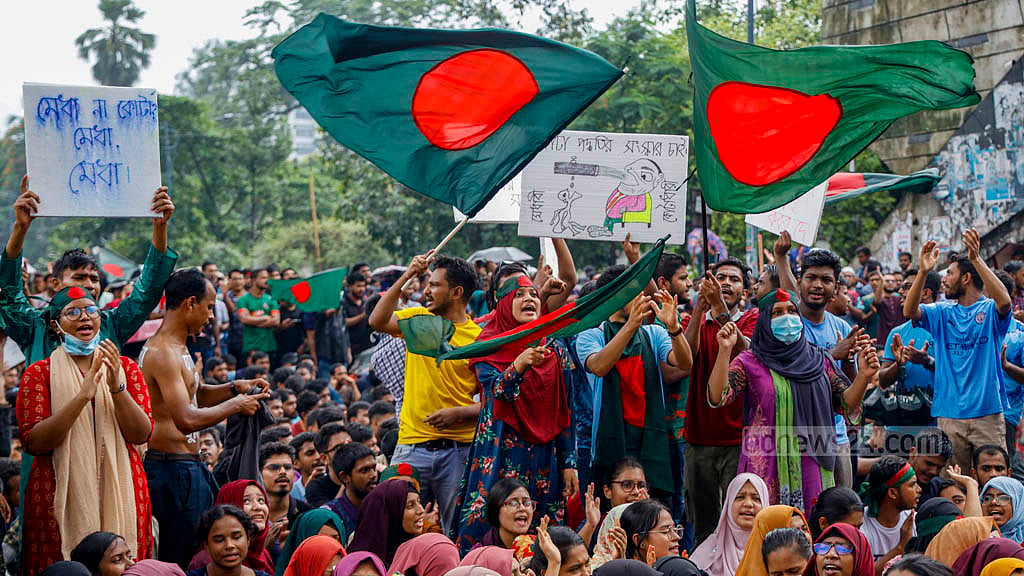
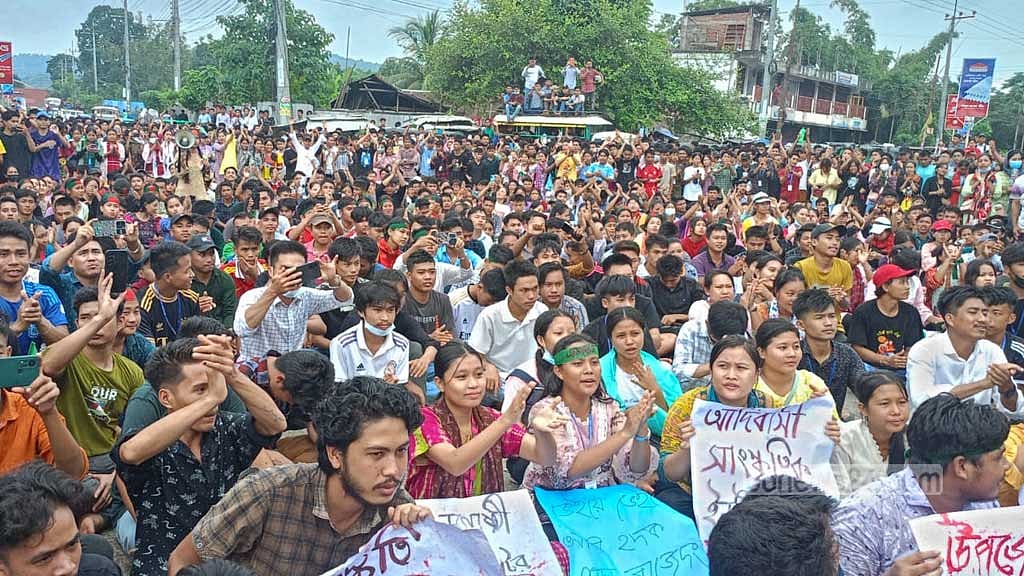
Alik Mrong, president of the Bangladesh Indigenous Students' Action Council, believes indigenous candidates have already begun to fall behind since their quota for government jobs was slashed from 5 percent to 1 percent.
Speaking to bdnews24.com, Mrong highlighted: “Indigenous candidates have already started to lag in government recruitment. We have learned that no candidate received a final recommendation under the indigenous quota in the 44th BCS (Bangladesh Civil Service) examinations.”
“Previously, where five seats would have been reserved for indigenous candidates for every 100 posts, now if there are fewer than 100 posts in a recruitment, not a single candidate will receive the quota benefit.”
Mrong urges reconsideration of the indigenous quota percentage, reflecting the harsh realities faced by these communities.
‘WOMEN'S QUOTAS ESSENTIAL UNTIL EQUALITY ACHIEVED’
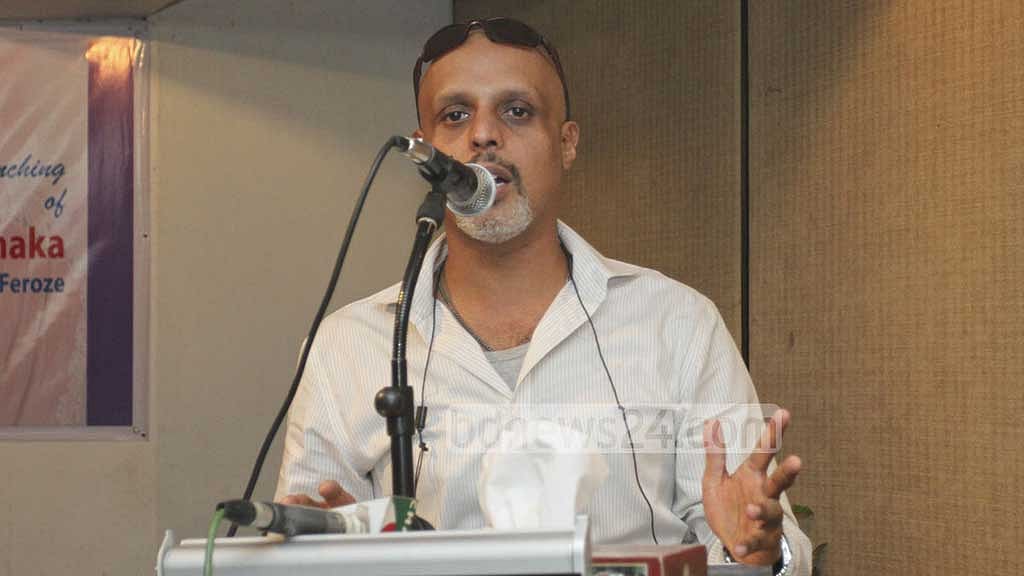
Shirin Sharmin Chaudhury, leading the interim government's commission on women's affairs, argues that despite protests leading to quota removal, gender parity remains elusive, necessitating job quotas for women for a few more years.
She told bdnews24.com, “The quota protesters did not want quotas, so from that perspective, it’s alright.”
“However, even after half a century of our independence, we have not achieved gender parity. Therefore, the women's quota in employment was needed for a few more years.”
The founding member of Naripokkho, an organisation working to establish women's rights, added: “A separate quota for girls in university admissions may not be necessary. But in the case of employment, if there are two candidates with equal qualifications, then in my opinion, the female candidate should get the job.”
“This is because they have been held back in various ways. I wouldn't call this a quota for women, but they must be given priority. Our constitution also speaks of bringing the disadvantaged forward.”
Article 19(1) of the Constitution states, "The State shall endeavour to ensure equality of opportunity to all citizens."
Similarly, Article 28(4) says: "Nothing in this article shall prevent the State from making special provision in favour of women or children or for the advancement of any backwards section of citizens."
REMOVAL OF WOMEN'S QUOTA FUELS DISCRIMINATION FEARS
Fauzia Moslem, president of Bangladesh Mahila Parishad, warns abolishing women's quotas in government employment exacerbates societal discrimination, undermining essential progress toward gender equity. In her view, the quota was essential for women's empowerment.
The organisation has publicly demanded the reinstatement of quotas in primary teacher recruitment, stressing their critical role in empowering disadvantaged women and maintaining social balance.
Moslem asserts removing quotas prematurely poses significant risks to the broader empowerment of women in Bangladesh.
She told bdnews24.com, “Proactive programmes are needed for women to maintain fairness. But the women's quota has been abolished in various fields. As a result, discrimination in society will increase even more.”
“The quota in education and employment was necessary to help women advance. If special arrangements are withdrawn before equality is established, will the social balance not be further endangered?”
The Bangladesh Mahila Parishad has been vocal in its demand for the reinstatement of the women's quota. The organisation issued a statement on Apr 20, demanding that the women's quota in primary teacher recruitment be retained.
It stated, "The draft of the Government Primary School Teacher Recruitment Rules 2025 does not retain the previous 60 percent women's quota, which is an obstacle to women's empowerment. The Bangladesh Mahila Parishad expresses deep concern over the drafting of these rules without considering the women's quota in the overall context of Bangladesh."
The Mahila Parishad says that primary education is a child's first stage of learning, where female teachers can better understand a child's psychology. Alongside a mother's contribution, female teachers play a crucial role in a child's psycho-social development. Women, who make up half the population, are still far behind in terms of equal participation, opportunity, and rights at all levels of the country.
“To meet Sustainable Development Goal-5, it is necessary to have reservations for women in specific fields. If the women's quota for primary teacher posts is abolished, on one hand, the path to empowerment for disadvantaged women will be blocked, and on the other hand, this special measure is very important for establishing gender equality in the country.”
The Mahila Parishad also protested after the abolition of the women's quota in private teacher recruitment. In a statement on Mar 25, the Parishad said, "After government primary schools, the interim government has now decided to abolish the 30 percent women's quota in private teacher recruitment. The Bangladesh Mahila Parishad expresses deep concern over this decision to abolish the women's quota."
The statement commented that many educated women from rural and backward areas get the opportunity to enter the education sector and establish themselves solely through this quota. It added that the presence of female teachers creates a positive and safe environment in schools, which is especially important for female students.
The platform believes that the successive "self-destructive decisions" to abolish the women's quota will become a major obstacle to women's empowerment and their participation in the education sector.
CALL FOR RECONSIDERATION
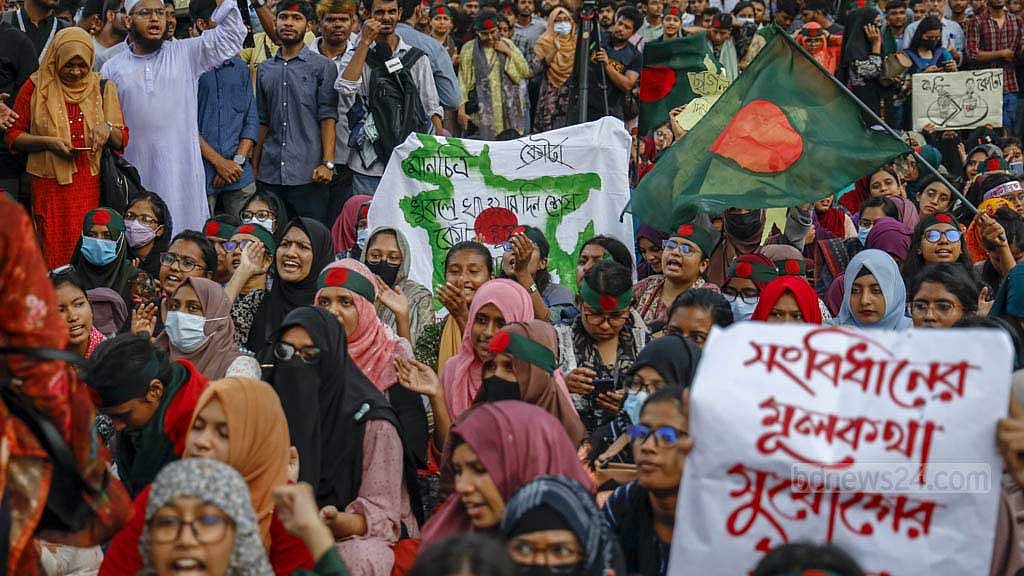
Women were seen at the forefront of the quota reform movement and the subsequent student-people's uprising. While indigenous students were less visible in the initial quota reform movement, they emerged as key figures in the movement demanding Hasina's resignation.
Umama Fatema, a Dhaka University student and one of the leaders of the uprising, believes the job quota should be restructured after consultation with stakeholders.
She told bdnews24.com, “During the movement, when the quota system was reformed and brought down to 7 percent through the Supreme Court's verdict, we said at that time that it was essential to discuss this with various stakeholders so that no objections would arise from any side.”
“We had called for discussions with everyone, including women, freedom fighters, and persons with disabilities. But at that time, facing the movement, the government hastily issued the notification based on the Supreme Court's verdict.”
“Now that the women's quota is gone, women's organisations can speak up about it. The government can also review the quota. However, bringing women forward will only be possible if there is safety and security for them in any job. It is the government's responsibility to provide safety and security for women in the workplace. Ensuring this will significantly increase women's participation in the workforce.”
'QUOTA SHOULD NOT EXCEED 10 PERCENT'
The National Citizen Party (NCP), the political outfit formed by the student leaders of the uprising, has also called for a reassessment of the quota system in consultation with stakeholders. It believes that in the existing structure, the job quota should not exceed 10 percent.
Faisal Mahmud Shanto, joint member secretary of the party, told bdnews24.com: “The NCP believes the government can restructure the quota system after taking the opinions of stakeholders and listening to where they are lagging. However, in the current framework, it should not exceed 10 percent in any way, and the mainstream stakeholders should not be harmed by it.”
“Priority in education is more critical for backwards communities than in jobs. Because you will see, those from ethnic minorities who get quota benefits may be children from affluent families within that group, or their fathers may have also established themselves through the ethnic quota.”
“But the marginalised students from those communities cannot even get past the primary or secondary level. Therefore, even if the job quota benefit is increased, the marginalised people of those communities will not stand to gain.”
WHAT IS THE GOVERNMENT'S VIEW?
On the day the notification was issued on Jul 23 last year, the then law minister Anisul Huq said the quota had been restructured according to the verdict of the Appellate Division.
He had also commented that the 'executive branch has no power' to change anything in the Appellate Division's verdict.
Following the change in power, amid a wave of changes in various sectors during the interim government's tenure, a committee was formed on Mar 25 to examine the existing quota system and formulate recommendations.
However, that committee has not yet submitted its recommendations.
The head of that committee and Additional Secretary (Rules) of the Ministry of Public Administration, Mohammad Shamim Sohel, told bdnews24.com: “We have held several meetings, and information is being gathered. We hope that after collecting and reviewing the data, recommendations will be formulated.”
“Our committee will not formulate recommendations for a new quota distribution. Rather, it will examine the application of the 7 percent quota that has been allocated according to the Appellate Division's directives and will send recommendations accordingly. The rate of the quota distributed per the Supreme Court's guidance will remain the same.”