Published : 19 Mar 2022, 09:49 PM
Updated : 21 Oct 2022, 03:39 PM


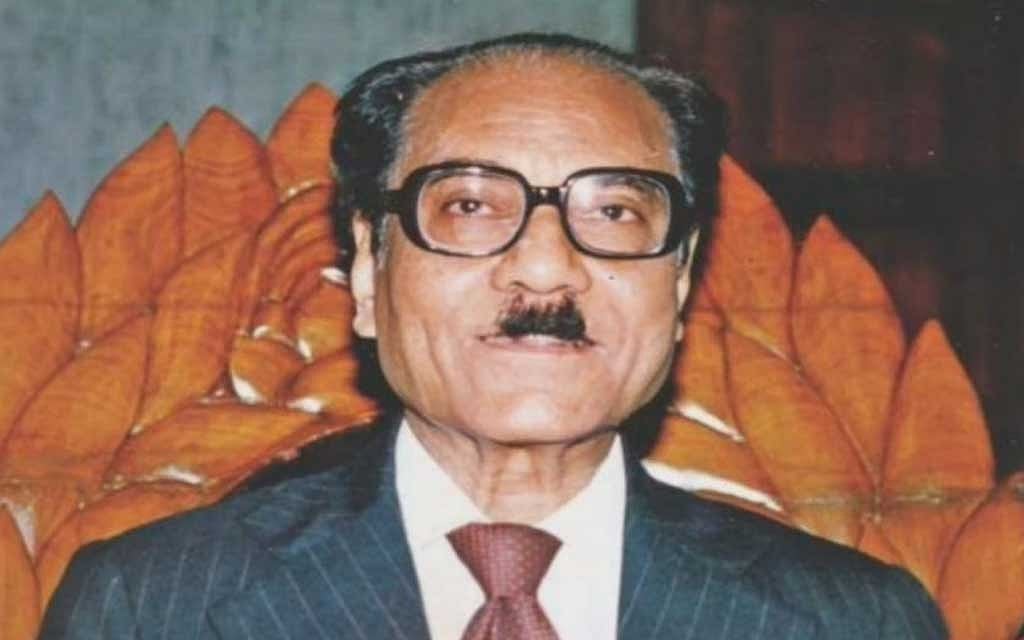
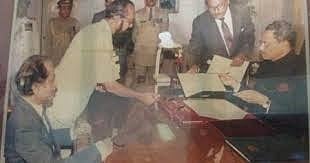
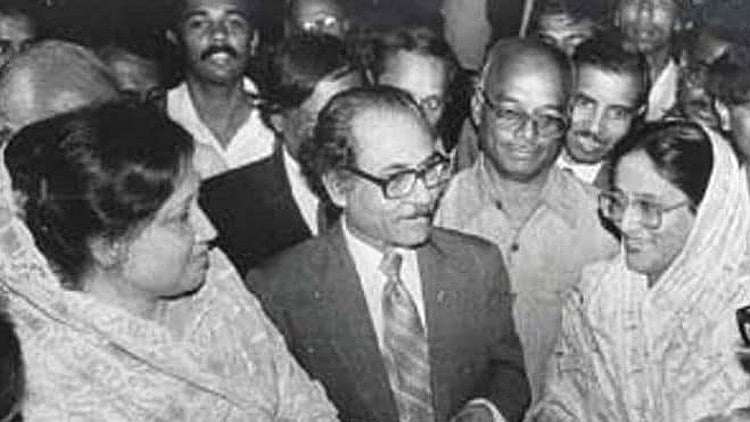
The amendment aimed to legalise Shahabuddin’s return to the judiciary as chief justice after a short stint as president of the republic.
Workers Party President Rashed Khan Menon, who was involved in the process of return to democracy as a leader of the coalition of three alliances, says the amendment was significant in overcoming the crisis created by the political situation.
Shahabuddin’s role in Bangladesh’s return to democracy was “unique”, Menon says.
The former president and chief justice died in hospital care in Dhaka at the age of 92 on Saturday.
The alliances, however, were at odds over the election-time government.
Finally they agreed to accept the then chief justice Shahabuddin to head the interim government, but he was not ready to leave the top office of judiciary. He put a condition that he would return to the judiciary as chief justice once an elected government took charge.
The political parties agreed to the condition and the process of power transfer was outlined. Ershad appointed Justice Shahbuddin as vice-president following Moudud Ahmed’s resignation from the post on Dec 6. Ershad then resigned himself and Shahabuddin took charge as president.
The fifth parliamentary election was held with the Shahabuddin administration, known as the caretaker government, in power on Feb 27, 1991. The BNP formed government after winning the popular ballot.
As per the condition set by Shahabuddin, the 11th amendment was passed in parliament with no opposition to the Bill on Aug 6, 1991 – legalising his appointment as vice-president and subsequent return to the judiciary.
“He could have been president for a long time. All could keep him in the office. But he was not greedy. So he returned to the judiciary,” said Menon, a member of the parliament that passed the amendment bill.
Menon does not think the amendment was irrational. “He didn’t become president at his will. He did it so that we could ride over the crisis. The decisions were taken in a short period of time. The amendment was essential to end the crisis.”
Retired Justice Abdul Matin thinks Shahabuddin’s decision to return as chief justice glorified the judiciary. “He wanted to retire as chief justice.”
Nakib Muhammad Nasrullah, a law professor at Dhaka University, said the 11th amendment legalised Shahabuddin’s orders and other work as president.
“We’ve never seen such a president. He [Shahabuddin] was very intelligent. He was unbiased as chief justice, president and chief advisor. It’s difficult to find a person like him,” said M Hafizuddin Khan, who had worked as comptroller and auditor general during Shahabuddin’s tenure.
Menon said the nation will always remember Shahabuddin for his role in returning democracy.
During his tenure as interim president, Shahabuddin had stayed in the chief justice’s residence, not the Bangabhaban.
He lived in the Bangabhaban as president for five years from 1996 after retiring as chief justice. He held the president’s office until Nov 14, 2001.