Published : 04 Nov 2025, 09:06 AM
Updated : 28 Aug 2026, 01:28 AM


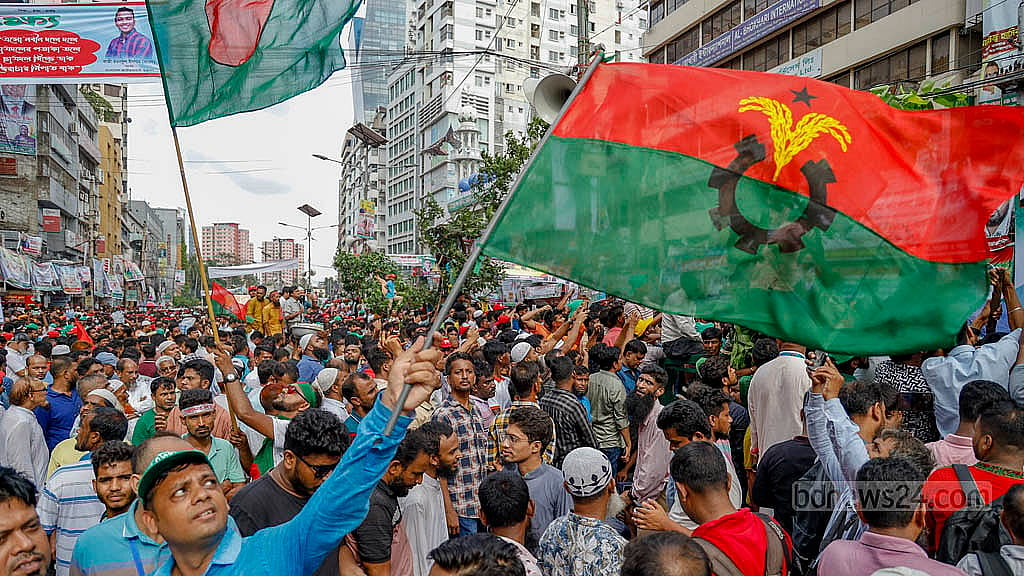
With its sights set on a long-awaited return to power after nearly two decades in the wilderness, the Bangladesh Nationalist Party (BNP) has unveiled its preliminary list for 237 constituencies in the general election -- with roughly a third of those nominations going to first-time candidates.
The announcement signals not just electoral intent, but a strategic balancing act between seasoned veterans and a surge of new faces.
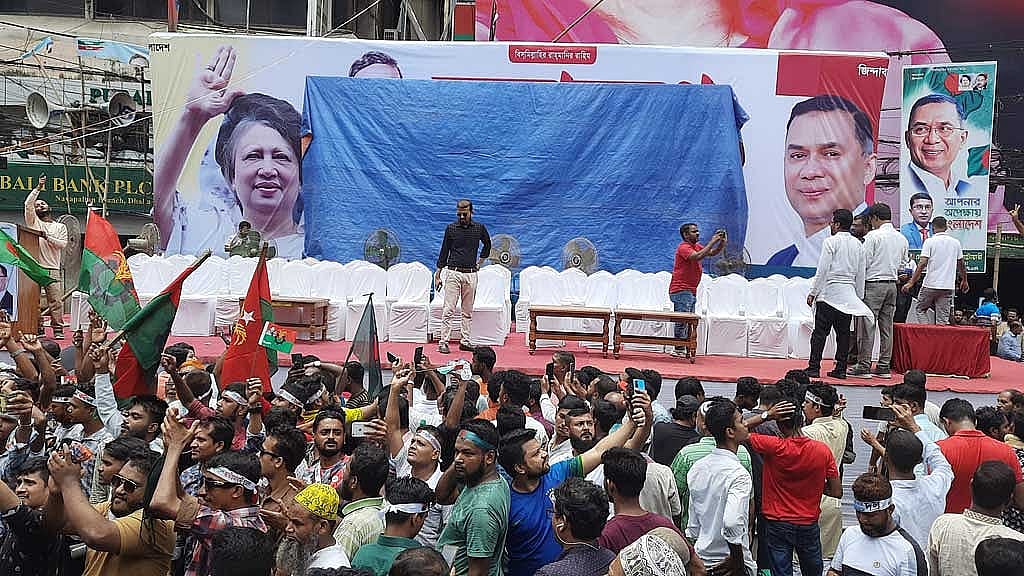
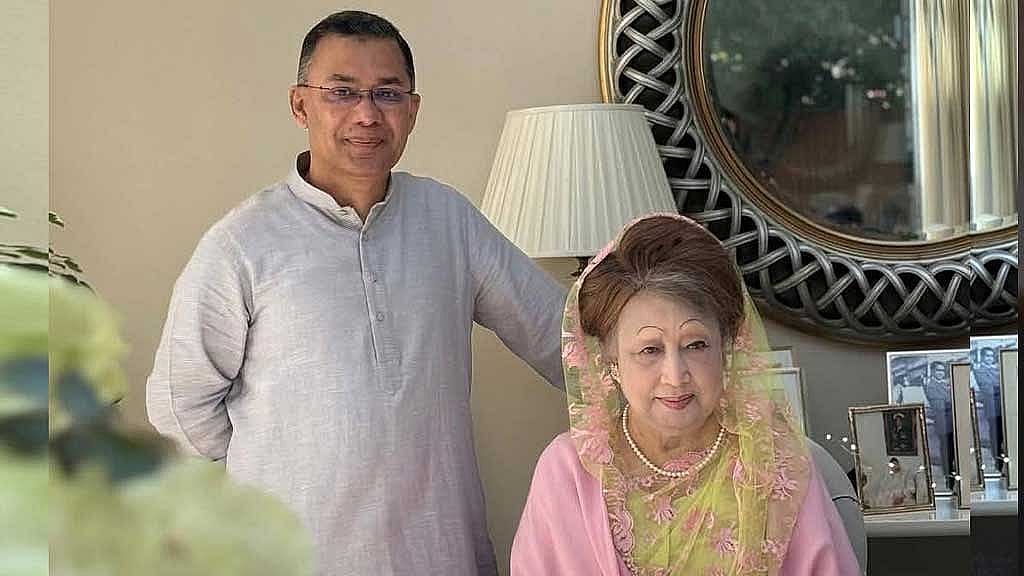
In a move that swept away lingering uncertainty, the BNP confirmed that its ailing Chairperson Khaleda Zia, long absent from frontline politics, has been nominated in three key constituencies: Feni-1, Bogura-7, and Dinajpur-3.
Her exiled son and Acting Chairman Tarique Rahman is set to contest the election from Bogura-6, a seat his mother has previously won three times. He is BNP’s most influential figure never to face a test of ballot despite pulling the levers from London.
While no date has been set for his return, grassroots activists see this as the clearest sign yet that his 17-year exile is ending.
Of the 237 announced candidates, at least 81 are first-time contenders, a move interpreted as a significant generational refresh. These newcomers will be campaigning alongside no fewer than three dozens of political stalwarts, long-time BNP figures who include members of the party’s National Standing Committee, vice-chairmen, and advisors to the chairperson.
Secretary General Mirza Fakhrul Islam Alamgir told bdnews24.com, “We’ve prioritised those who have worked on the ground, who maintain close connections with the public.
"Those who took part in anti-authoritarian movements, suffered persecution, earned people’s respect, and enjoy genuine popularity. In short, it’s a fusion of the old guard and the emerging generation," he added.
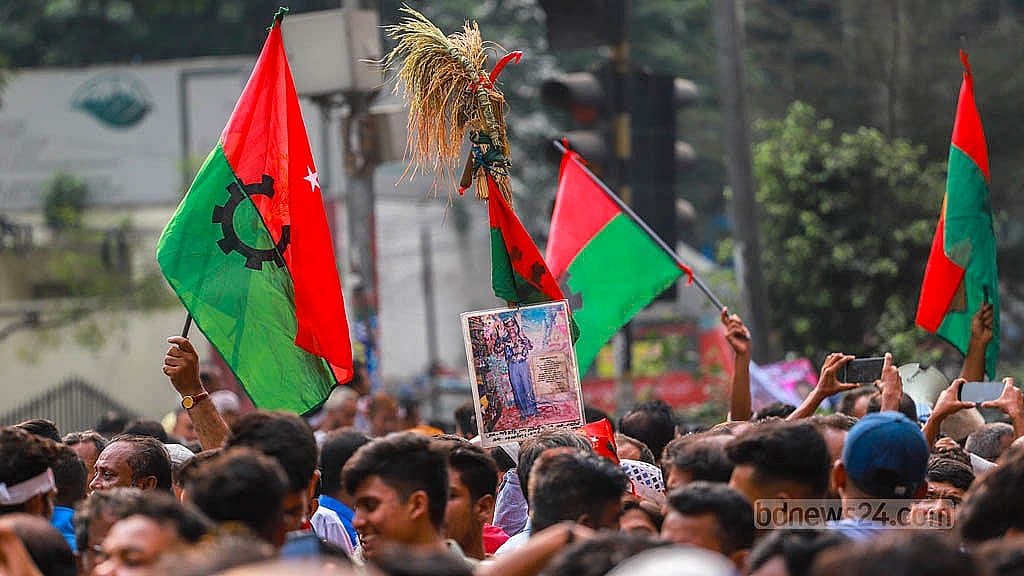
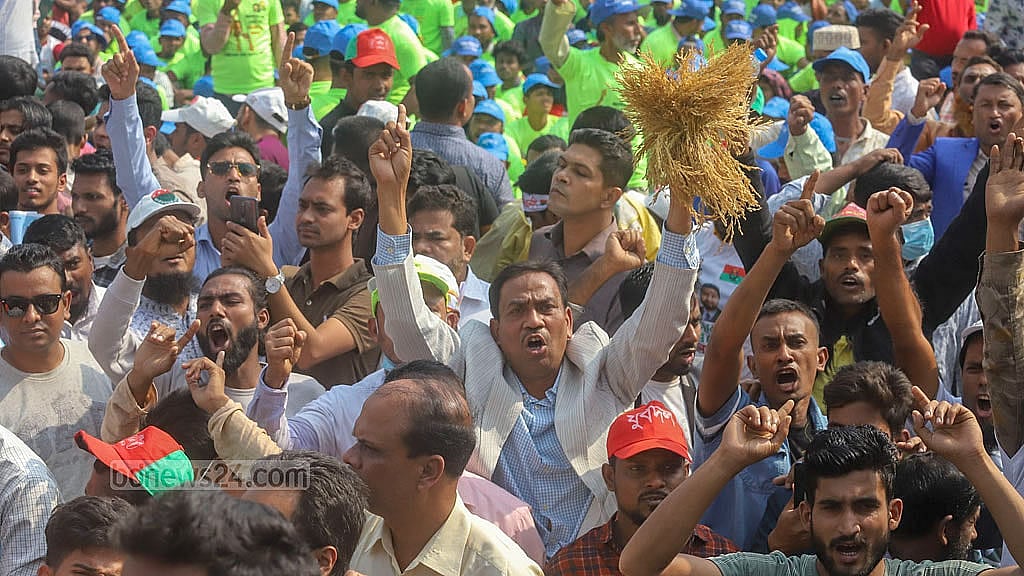
The finalisation came after days of intense deliberations. Aspiring candidates were summoned to Dhaka for interviews, fuelling speculation over who would receive the party’s coveted “sheaf of paddy” symbol.
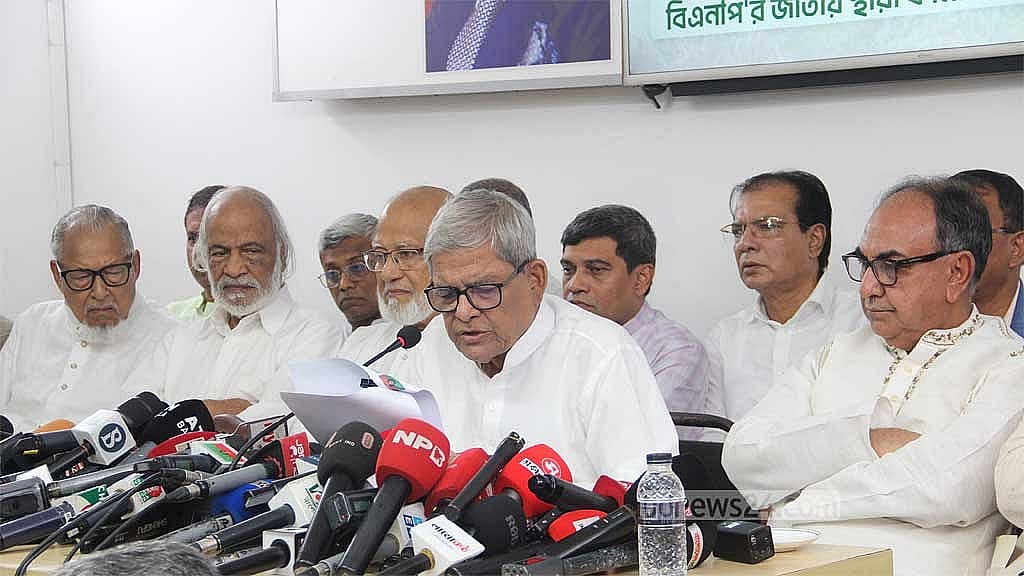
The list was formally approved during a three-and-a-half-hour meeting of the Standing Committee, chaired remotely by Tarique. Mirza Fakhrul read out the list at a press conference in the party’s Gulshan office on Monday evening.
Political analyst Professor Kazi Mohammad Mahbobor Rahman, who teaches political science at Dhaka University, described the candidate list as “well-rounded”, and potentially pivotal to the BNP’s revival.
“This is a winning lineup,” he said. “I don’t see major weaknesses here. The mix of youth and senior leadership, grassroots dedication and intellectual depth -- this could carry BNP across the line.”
Prof Mahbobor also noted the symbolic importance of 80-year old Khaleda’s nomination, particularly at her advanced age, and despite serious health concerns that have kept her away from public life.
“At various points, it was under Khaleda Zia’s leadership that BNP made comebacks. Her battles against two authoritarian regimes have earned deep respect among voters,” he explained.
“That legacy continues to unify the party. By naming her as a candidate, even at this stage of life, BNP is reinforcing that unity.”
‘A PROTECTIVE UMBRELLA’
The move quashes recent speculation about whether the former prime minister would contest. Just last week, when pressed by reporters about Khaleda’s electoral role, influential Standing Committee member Salahuddin Ahmed responded cautiously.
“She’s the most popular leader in Bangladesh. We hope she’ll decide for herself, based on her health. Of course, we want her to run.”
Now that hope is fact. Her candidacy in Feni-1, her father’s home turf, and Bogura-7, her political stronghold through her late husband Ziaur Rahman, is familiar ground. But the addition of Dinajpur-3, her birthplace, marks a new and personal chapter.
THE SHADOW OF SUCCESSION
For many within the party, Tarique -- Khaleda's elder and only surviving son -- represents not just continuity but future leadership. Whispers of his eventual premiership have grown louder in recent months.
By confirming his nomination early, the BNP appears to be signalling a clear line of succession and an attempt to tighten internal cohesion amid external uncertainty.
“Talk of Tarique becoming prime minister has been there (for quite sometime),” said Professor Mahbobor. “By confirming his nomination now, the BNP has made the right call. Naming both Tarique Rahman and Khaleda Zia early will help consolidate party unity and dispel uncertainty.”
The stage is now set for a high-stakes electoral battle, one that will test whether the BNP’s carefully constructed blend of old guard and new wave can translate into votes -- and, perhaps, a long-awaited political resurrection.
WHO’S IN, WHO’S OUT
BNP Secretary General Mirza Fakhrul is standing in Thakurgaon-1.
Among the party’s 14 Standing Committee members, nine others are running for election from their seats.
They are: Khandaker Mosharraf Hossain (Cumilla-1), Mirza Abbas (Dhaka-8), Gayeshwar Chandra Roy (Dhaka-3), Abdul Moyeen Khan (Narsingdi-2), Amir Khosru Mahmud Chowdhury (Chattogram-10), Salahuddin Ahmed (Cox’s Bazar-1), Iqbal Hasan Mahmud Tuku (Sirajganj-2), Hafiz Uddin Ahmed (Bhola-3), and AZM Zahid Hossain (Dinajpur-6).
Senior leaders Jamiruddin Sircar, Rafiqul Islam Mia, Nazrul Islam Khan, and Selima Rahman are not included in the first phase of the candidate list.
Jamiruddin’s son Muhammad Nawshad Zamir is contesting from Panchagarh-1 constituency.
Out of the party’s 21 vice-chairmen, seven have received nominations.
They are Altaf Hossain Chowdhury for Patuakhali-1, Barkat Ullah Bulu for Noakhali-3, Mohammad Shahjahan for Noakhali-4, Abdul Awal Mintoo for Feni-3, Nitai Roy Chowdhury for Magura-2, Kazi Shah Mofazzal Hossain Kaikobad for Cumilla-3, and Ahmed Aazam Khan for Tangail-8.
Vice-Chairmen Shamsuzzaman Dudu and Asaduzzaman Ripon, who were considered likely candidates, are not on the list.
Among the 81 members of the Chairperson’s Advisory Council, 21 appear on the candidate list: Monirur Haque Chowdhury (Cumilla-6), Aman Ullah Aman (Dhaka-2), Mahbub Uddin Khokon (Noakhali-1), Zainul Abedin Farroque (Noakhali-4), Zahir Uddin Swapan (Barishal-1), Mazibor Rahman Sarwar (Barishal-5), Lutfozzaman Babar (Netrokona-4), Tajvir Ul Islam (Kurigram-3), Habibur Rahman Habib (Pabna-4), Mushfiqur Rahman (Brahmanbaria-4), Afroza Khanam Rita (Manikganj-3), Moinul Islam Khan (Manikganj-2), Khandakar Abdul Muktadir (Sylhet-1), Tahsina Rusdir Luna (Sylhet-2), Abul Khair Bhuiyan (Lakshmipur-2), Enamul Haque Chowdhury (Sylhet-6), Abdus Salam Pintu (Tangail-2), Zainul Abedin (VP Zainul) (Feni-2), Fazlur Rahman (Kishoreganj-4), Nasser Rahman (Moulvibazar-3), and Harunur Rashid (Chapainawabganj-3).
Among central leaders, Senior Joint Secretary Ruhul Kabir Rizvi is absent from the BNP nominations.
Among six joint secretaries, three are included in the list: absent are Habib-un-Nabi Khan Sohel, Abdus Salam Azad, and Humayun Kabir.
Present on the list are Khairul Kabir Khokon (Narsingdi-1), Shahiduddin Chowdhury Anne (Lakshmipur-2), and Syed Emran Saleh Prince (Mymensingh-1).
INHERITING THE PADDY SHEAF
Among the 237 BNP candidates, the party has nominated several second-generation leaders, blending experience with emerging figures.
In Panchagarh-1, the party has given the ticket to International Affairs Secretary Nawshad, son of former speaker Jamiruddin.
Farzana Sharmin Putul, daughter of former state minister for youth, sports, and social welfare Fazlur Rahman Potol, has been nominated from Natore-1.
A lawyer by profession, she serves as the joint convenor of Natore district BNP and was a member of the Anti-Corruption Commission Reform Commission formed by the interim government.
Raghib Rauf Chowdhury, son of former Kushtia-2 MP Abdur Rouf Chowdhury, will contest from the same constituency.
Raghib, a Supreme Court lawyer representing the Anti-Corruption Commission, is also a BNP Executive Committee member.
Aninda Islam Amit, son of former minister Tariqul Islam, has been nominated for Jashore-3. A vice-organising secretary for Khulna division, Amit also ran in the 2018 general election.
Tanveer Ahmed Rabin, son of former MP Salauddin Ahmed, will run from Dhaka-4. Rabin serves as the member secretary of Dhaka South BNP.
Ishraque Hossain, son of late Dhaka mayor Sadeque Hossain Khoka, has been nominated for Dhaka-6.
Despite a court ruling once allowing him to serve as city mayor, political developments prevented it.
In Faridpur-2, BNP Organising Secretary Shama Obaed, daughter of former minister KM Obaidur Rahman, is contesting again after 2018.
In Faridpur-3, Chaudhury Nayab Yusuf, daughter of late disaster management minister Chowdhury Kamal Ibne Yusuf, is running as a candidate.
Former finance minister Saifur Rahman’s son Naser Rahman has been nominated from Moulvibazar-3. Naser, president of Moulvibazar BNP, was elected MP in a 2001 by-election.
In Chattogram-5, Mir Mohammad Helal Uddin, son of BNP Vice-Chairman Mir Mohammad Nasiruddin, is contesting. Helal is the assistant organising secretary for Chattogram Division.
Humam Quader Chowdhury, son of late Standing Committee member Salahuddin Quader Chowdhury, has been nominated for Chattogram-7.
Similarly, Mishkatul Islam Chowdhury Pappa, son of former state minister for environment Jafrul Islam Chowdhury, is contesting Chattogram-14.
Shah Reazul Hannan Reaz, son of late minister ASM Hannan Shah, will contest Gazipur-4.
Reaz, the joint convener of Gazipur BNP, also ran in 2018.
Moinul Islam Khan, son of former industry minister Shamsul Islam Khan, is running from Manikganj-2. He previously served as an MP following his father’s death in 2006.
In Mymensingh-9, Yaser Khan Chowdhury, son of former MP Anwarul Hossain Khan Chowdhury, has been nominated.
For Sherpur-3, BNP has nominated Mahmudul Haque Rubel, son of former MP Sirajul Haque. In Sherpur-2, Fahim Chowdhury, son of late whip Jahed Ali Chowdhury, has been chosen.
Sunsila Jebrin Priyanka, daughter of district BNP General Secretary Hazrat Ali, has been nominated for Sherpur-1. The 32-year-old physician was the youngest BNP candidate in 2018.
In Jhenaidah-3, Mehedi Hasan, son of former MP Shahidul Islam, has been nominated.
Gazipur-2 has gone to M Manjurul Karim Roni, son of former mayor Abdul Mannan.
In Pirojpur-2, BNP has nominated Ahmed Sohel Monju Suman, son of former MP Nurul Islam Monju.
Political analyst and Jahangirnagar University prof Shamsul Alam believes this blend of veteran influence and political inheritance could strengthen BNP’s performance in the forthcoming election.
BNP Standing Committee member Iqbal Hasan Mahmud Tuku said, “When a leader passes away, a footprint remains, along with a support base. If their children work well and bring results, that will surely be recognised.”
Senior leader Mosharraf said, “The children of late leaders are politically active and hold positions. Their performance, not lineage, has been considered in nominations.”
BNP’s young leader Aninda said, “The list balances experience and new leadership, reflecting a hope for building a new Bangladesh.”
‘ONE MEMBER PER FAMILY POLICY’
Except for the Zia family, the top leadership of the BNP managed to maintain a “one member per family” policy in this nomination.
Commending the decision, Dhaka-based BNP activist Kamrul Hasan said: “Mirza Abbas, Afroza Abbas, Salahuddin Ahmed, Tanveer Ahmed Robin, Gayeshwar Chandra Roy, Nipun Roy Chowdhury, Amanullah Aman, Erfan Ibne Aman Omi -- all of them are popular leaders. The party's highest leadership chose one from among the pairs.
“I think this is a positive aspect. It can be called the beginning of removing the party from dynastic politics.”
Senior party leaders say this “one candidate per family” decision came directly from Tarique. He recently called several senior leaders and gave clear directives on the matter.
Political analyst and former Jahangirnagar University professor Dilara Choudhury noted that along with this policy, the party must also practise internal democracy.
She said, “Breaking dynastic politics in Bangladesh is not easy. While this BNP policy is positive, its implementation will show how much internal democracy they can practice within the party. This is a matter of party culture, not just candidacy.”
The BNP attempted to include not only the children of veteran and late leaders but also young grassroots activists who played a role in the party’s long-running movement in the nomination list.
Former Jatiyatabadi Chhatra Dal president Kazi Rawnakul Islam Srabon, currently a member of the BNP Executive Committee, will contest the election with the paddy sheaf symbol in Jashore-6 constituency.
Additionally, the BNP chose Sanjida Islam Tuli of Mayeer Daak (A Mother’s Call), who gained prominence for her activism against enforced disappearances, for the Dhaka-14 constituency.
Referencing this, Professor Mahbobor said: “This list features a combination of new and old and devoted activists have not been disregarded. Those who fought against authoritarianism from outside the BNP platform, like Sanjida (Islam) Tuli, have also received a BNP candidacy. This is a good selection.”
Referring to the nomination of 10 women in 12 constituencies on the list of 237, he said the BNP could increase the number of female candidates in direct seats further.
WHAT FOR ALLIES?
Though the BNP has yet to reveal how many seats will be allocated to its allies in the simultaneous movement, it held back 63 seats open.
In the last election in 2018, the party had left 22 seats for coalition partners. Out of these, seven were left for Gono Forum, four each for Krishak Sramik Janata League, JaSad and LDP, two for Khelafat Majlis and one for Kalyan Party.
Fakhrul said: “We have announced the names of potential candidates for 237 seats. Afterwards, we will consult with all the allied parties we have been working with. Seats not yet announced may be offered to them, or we may revise some of our own allocations.”
Professor Mohammad Kamrul Ahsan, who previously led the Jatiyatabadi Teachers’ Forum and is now the vice-chancellor of Jahangirnagar University, lauded the BNP's decision.
He said, “What I felt is that space has been made for the allies. This initially reflects the election-centric commitment to forming a government together.
“As the major party, the BNP's concession is appropriate. To unite everyone for an election, one has to reflect some of everyone's wishes and make some compromises. That reflection appears to be here.”