Published : 09 Jun 2026, 06:15 PM
Updated : 08 Sep 2026, 11:23 AM


The Fiscal Trap: Pledges vs Pockets
Realistic targets vital: Zahid Hussain warns an unprecedented Tk 6.95 trillion revenue target risks fiscal strain unless expenditure aligns with actual capacity
Inflation pressure persists: He says a four-year inflationary surge reflects structural supply-side bottlenecks rather than demand overheating
Subsidy-driven risks: He estimates unavoidable energy tariff hikes to clear power sector arrears could add about 1 percentage point to inflation
Funding stream frozen: He says suspension of about $1.8 billion in IMF funds is triggering a knock-on tightening in other multilateral budget support
Banking reform concerns: He argues policy reversals on large borrower restructuring are weakening reform credibility and deepening moral hazard
As the country prepares for its 2026–27 fiscal framework under a new political dispensation led by the BNP, the tension between promise and practicality is once again at the centre of economic debate.
Economist Zahid Hussain has issued a stark caution: a budget built to demonstrate fulfilment of electoral commitments must still survive the discipline of implementation, financing, and macroeconomic constraint.
Without that balance, he argues, even well-intentioned fiscal expansions risk becoming symbolic rather than functional.
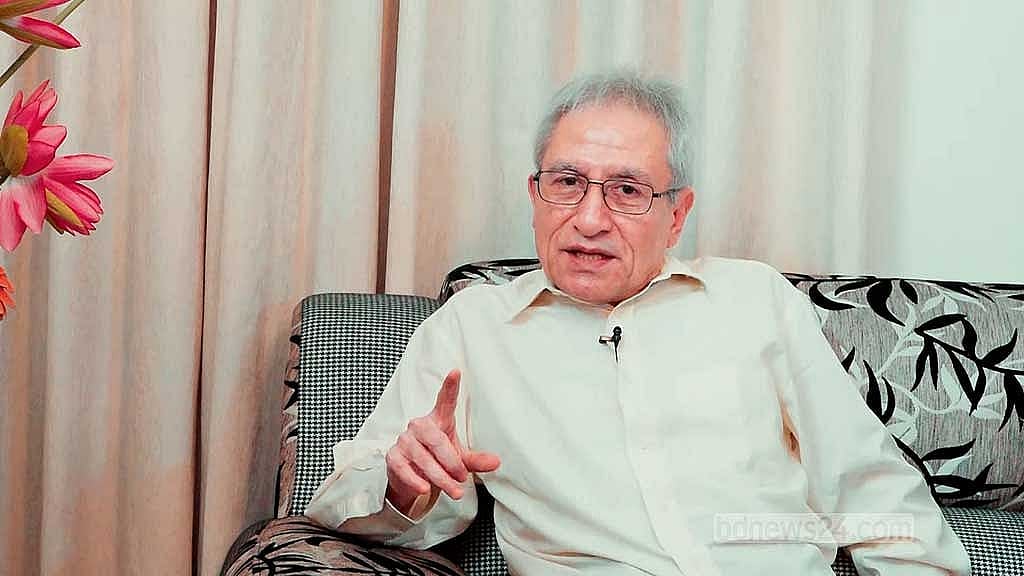
Speaking on bdnews24.com’s flagship discussion programme Inside Out, the former World Bank chief economist for Bangladesh said the central challenge is not ambition itself, but whether priorities are properly sequenced in a constrained economic environment.
“The real issue is whether expenditure priorities are set correctly and implemented efficiently under current constraints,” he said.
At the heart of his concern is a simple question: whether Bangladesh is designing a budget it can actually deliver.
Between Promises and Priorities
Early signals from budget planning suggest a strong emphasis on fulfilling election pledges -- particularly expansion in education, healthcare, social protection and infrastructure. The intent, Zahid said, is understandable in a political transition.
But intent alone is not enough.
He pointed to essential public expenditures -- child vaccination initiatives, medicines, laboratory supplies, textbooks, and maintenance of deteriorating roads -- as areas where fiscal discipline cannot mean neglect.
“These are not optional expenditures. These are necessary for continuity of public services,” he said. “Only after ensuring proper allocation and efficient spending there can you move to new or large projects.”

The warning is subtle but significant: in systems with weak execution capacity, expanding the budget envelope does not automatically translate into better outcomes.
Bangladesh currently operates more than 100 social protection programmes across ministries. Yet Zahid noted that their effectiveness is undermined by administrative inefficiency, duplication, and weak targeting.
“There is a longstanding problem of implementation. Sometimes it costs one and a half taka to deliver one taka of benefit,” he observed.

A Budget Expanding Faster than Capacity
The upcoming fiscal plan is expected to cross Tk 9 trillion, a dramatic increase from roughly Tk 700 billion two decades ago. The scale reflects both economic growth and rising structural obligations.
But Zahid questioned whether fiscal capacity has expanded at the same pace as commitments.
The most immediate constraint is revenue mobilisation. The National Board of Revenue (NBR) would need to generate more than Tk 6.95 trillion under current projections -- requiring growth of 45–50 percent, an unprecedented leap in Bangladesh’s fiscal history.
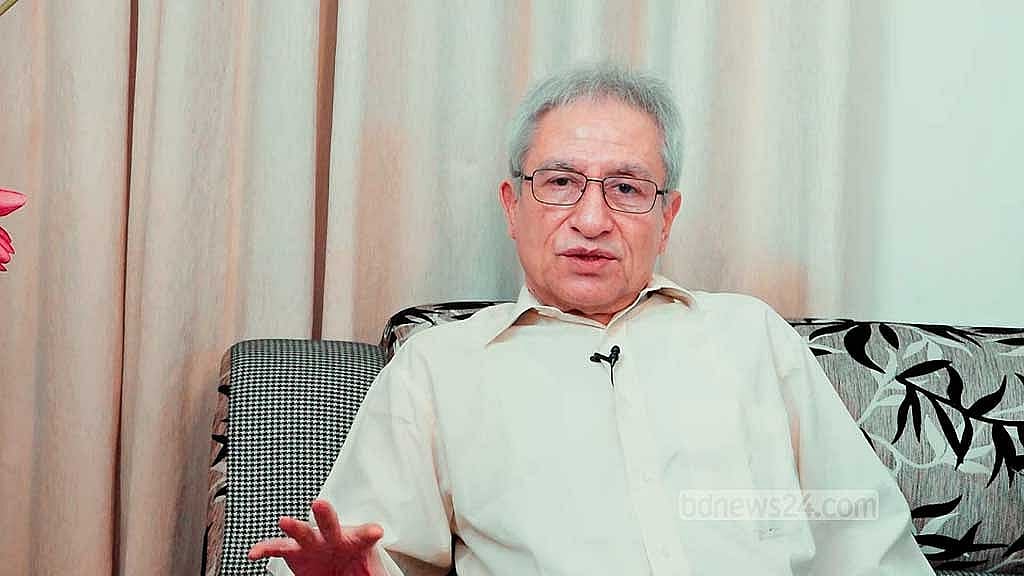
“No tax administration has achieved such growth in a single year in our history,” he said.
The implication is clear: either revenue targets are overstated, or expenditure assumptions will need revision.
Without adjustment, deficits would widen, forcing higher borrowing and creating knock-on pressure on inflation, interest rates and exchange stability.
Inflation: 4 Years of Erosion
Bangladesh’s inflationary pressure, now persisting for nearly four years, has steadily eroded purchasing power across income groups. While monetary tightening through high interest rates has prevented further acceleration, it has not restored price stability.
Zahid argued that the core problem is not demand overheating but structural supply constraints.
“Across these four years, there has been no meaningful improvement in inflation outcomes. People have been under sustained pressure from declining purchasing power,” he said.
External shocks, particularly geopolitical instability in West Asia, have added upward pressure on global commodity prices. But Zahid stressed that domestic inefficiencies remain central to persistent inflation.
He described a combination of external shocks and internal policy inconsistency as the reason market stabilisation efforts have failed to deliver durable relief.
Energy Subsidies and Fiscal Strain
One of the most politically sensitive fiscal burdens remains energy subsidies, particularly in electricity and gas.
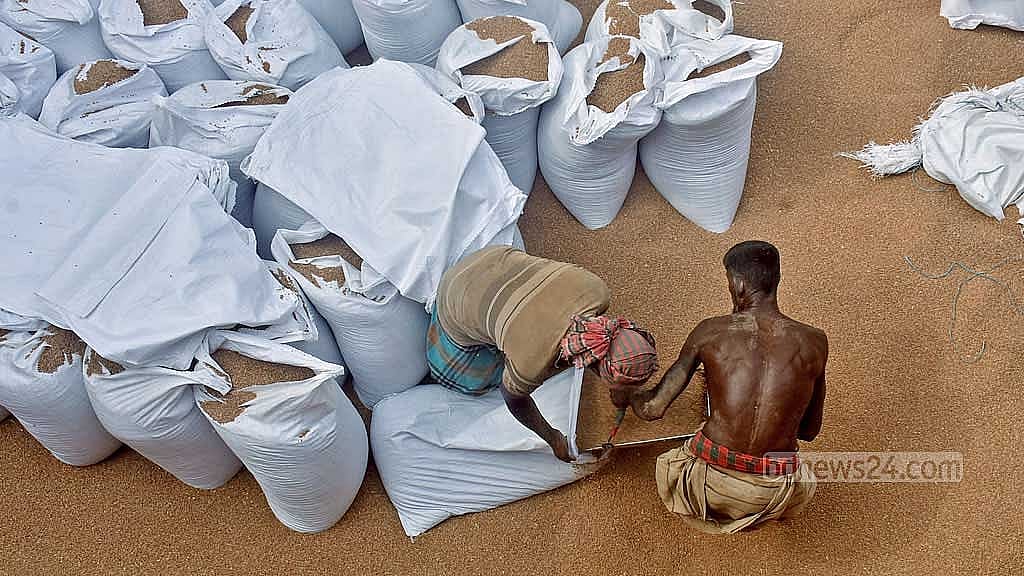
Current allocations, already above Tk 400 billion, continue to rise due to cost adjustments and exchange rate pressures. The issue is further complicated by IMF programme constraints, which limit fiscal flexibility.
Zahid said that without tariff adjustments, subsidy burdens could become unsustainable, undermining liquidity in the power sector.
A proposed increase of Tk 1.25 per kilowatt-hour, he estimated, could add close to 1 percentage point to inflation over the next year.
Yet he described the adjustment as unavoidable.
“If tariffs are not adjusted, arrears will accumulate. Power companies will lose working capital, leading to supply disruptions and even higher inflation,” he said.
The dilemma, he noted, is structural rather than ideological.
IMF Delay and External Financing Pressure
Bangladesh’s ongoing negotiations with the International Monetary Fund have hit delays after failure to meet key reform conditions. As a result, disbursement of approximately $1.8–1.85 billion remains suspended.
Zahid warned that the impact extends beyond the IMF itself.
When IMF support is paused, multilateral lenders such as the World Bank and Asian Development Bank often adopt a more cautious stance on budget support.
“This creates a cascading effect. Even if project support continues, budget support becomes more difficult to access,” he said.
The result is tighter fiscal space at a time when expenditure pressures are rising.
Investment: Environment over Personality
Zahid rejected the idea that investment inflows can be triggered by individual credibility or political proximity.
“Investment does not come because of individuals. It comes because of the environment,” he said.
He identified three essential conditions: macroeconomic stability, policy predictability, and reduction in the cost of doing business.
Practical bottlenecks -- such as port delays, container congestion, and regulatory harassment -- remain key deterrents.
On the dominance of large business conglomerates, often described as oligarchic structures, he urged nuance rather than elimination.
“Oligarchs exist in many countries. They are large entrepreneurs operating across sectors,” he said.
The challenge, he argued, lies in shifting behaviour from rent-seeking -- cheap credit, loan rescheduling, tax exemptions without accountability -- towards productive investment.
Banking Stress and Policy Inconsistency
Recent moves by Bangladesh Bank to reintroduce restructuring facilities for large borrowers, he warned, risk reinforcing a culture of repeated loan forgiveness.
“This sends a message that there is no consistency between what is said and what is done,” he said.
Such policy reversals, he argued, weaken reform credibility and deepen moral hazard in the financial system.
Monetary Policy and Supply-Side Inflation
With the policy rate held at around 10 percent, monetary tightening has prevented further inflationary spikes but cannot resolve the underlying problem.
“The issue is not demand, but supply constraints,” he said.
Gas shortages limiting production, combined with informal costs such as extortion in supply chains, create persistent price gaps between producers and consumers.
“If we cannot fix supply bottlenecks, inflation will not come down,” he said.
Structural Reflection on Governance
Reflecting on the broader policy environment, Zahid said recent institutional reversals -- such as changes in banking reform frameworks and tax authority restructuring -- risk undermining reform momentum.
He also acknowledged that the interim government inherited a fragile macroeconomic situation but said it achieved partial stabilisation in external accounts and reserves.
However, he pointed to weaknesses in health sector governance, particularly disruptions in vaccination initiatives, as a significant failure.
“The vaccination system had a strong global reputation. Its disruption is a serious setback,” he said.

The Fiscal Ceiling
At the centre of his argument is a hard constraint: revenue capacity.
A revenue target of nearly Tk 6.95 trillion, he said, is beyond realistic reach.
“Even in cricket, you can only hit so many runs in one ball. You cannot stretch reality beyond limits,” he said.
If expenditure plans remain unchanged despite revenue shortfalls, deficits will widen, pushing up borrowing costs and inflationary pressure.
For Zahid, the central policy question is no longer how fast Bangladesh can grow, but whether it can maintain macroeconomic stability while structural weaknesses persist.
“You cannot think about running when standing itself is difficult,” he said.
The next budget, he suggested, will be judged not by the scale of its promises, but by whether it finally aligns ambition with the limits of execution.