Home
+

Published : 06 Apr 2023, 07:16 PM
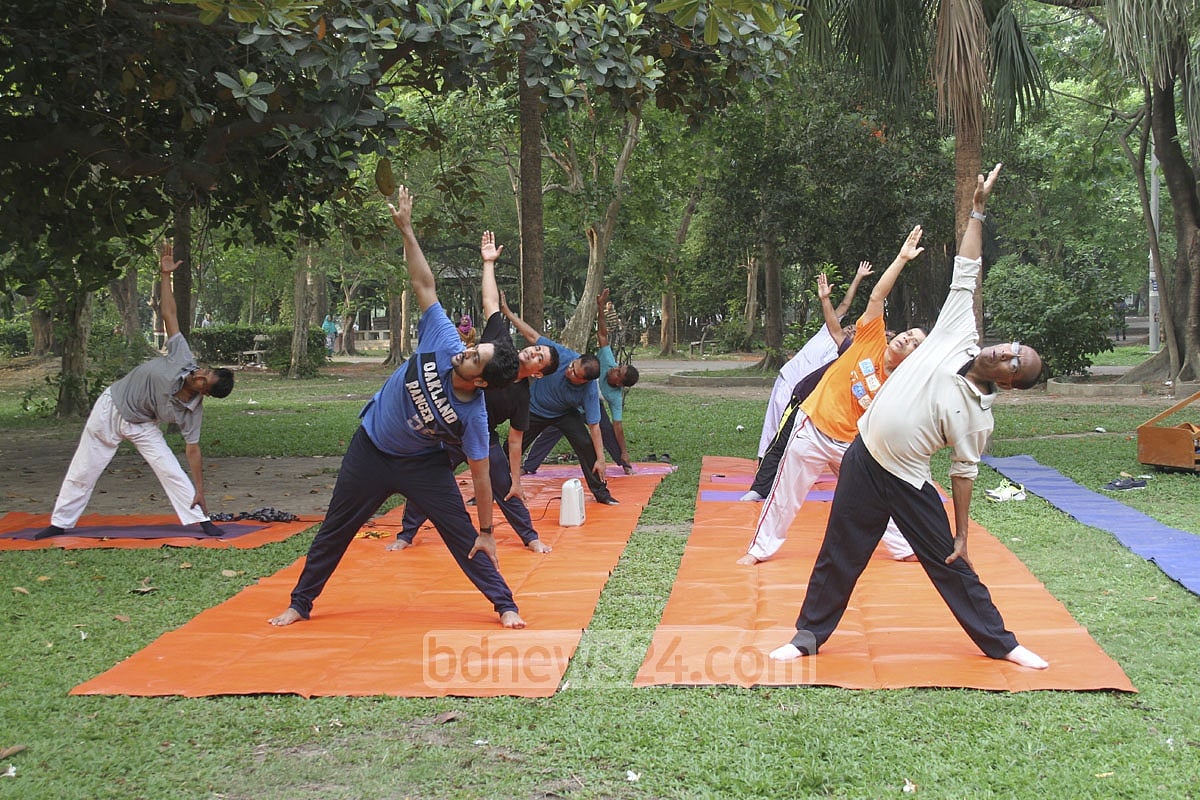
Today is a special day to stand up and move. Although we need to do it daily to stay healthy, it is especially important, as today is World Day for Physical Activity. The World Health Organization (WHO) officially recognised Apr 6 as the World Day for Physical Activity in 2002; since then, the day has been celebrated annually worldwide. The day aims to promote the positive role physical activity can play in our lives and encourage each of us to get moving for better global health! This year’s theme is “Have a Good Time! Be Active!”, which emphasises the importance of having fun while being physically active.
According to the WHO, physical activity has significant health benefits for heart, body, and mind. Regular physical activity is proven to help prevent and manage non-communicable diseases such as heart disease, stroke, diabetes, and several cancers. It helps prevent hypertension, maintain a healthy body weight, and can improve mental health, quality of life and wellbeing. It contributes to reducing symptoms of depression and anxiety, enhances thinking and learning skills, and ensures healthy growth and development in young people. In addition to the multiple health benefits, the WHO’s Global Action Plan on Physical Activity 2018-2030 has stipulated that more active societies can generate additional returns on investment, including reduced use of fossil fuels, cleaner air and less congested, safer roads, which can help to achieve several goals of the Sustainable DevelopmentAgenda 2030.
Despite these well-documented benefits, many people worldwide are not sufficiently active. According to WHO, globally, 1 in 4 adults (27 percent) do not meet the recommended physical activity levels. More than 80% of the world's adolescent population is insufficiently active. The WHO has recognised physical inactivity as the 4th leading risk factor of death worldwide; people who are insufficiently active have a 20 perent to 30 percent increased risk of death compared to people who are sufficiently active. This is a real challenge for the WHO Global Action Plan on Physical Activity 2018–2030, which has aimed to achieve the global target of a 15% relative reduction in the prevalence of physical inactivity by 2030. High levels of physical inactivity affect not only individuals over their life course but also place a financial burden on health services and society as a whole. Analysing the most recent health and economic data from 194 countries, one recent study reported that the global cost of inaction on physical inactivity would reach approximately $47.6 billion annually.
Like other Global South countries, Bangladesh also has the challenges of physical inactivity in its population. According to the latest National STEPS Survey for Non-communicable Diseases Risk Factors in Bangladesh 2018, 1 in 8 (12.3 percent) adults are not sufficiently active, and women are less active than men. As per the WHO’s Bangladesh Physical Activity Profile 2022, the prevalence of physical inactivity is 16 percent in adult men and 40 percent in adult women, while the inactivity rate is slightly higher in elderly adults aged 70 or above (19 percent in men and 46 percent in women). According to the Bangladesh School-Based Student Health Survey (GSHS 2014), 3 in 5 adolescents (58.6%) are not sufficiently active. As per the WHO’s Bangladesh Physical Activity Profile 2022, 2 in 3 adolescents are physically inactive (63 percent in boys and 69 percent in girls). Another recent population-based study found that 1 in 2 (50.3 percent) adolescent girls are not sufficiently active, while 29% of adolescent boys are not sufficiently active.
What do we mean by physical activity? According to the WHO, physical activity is any bodily movement produced by skeletal muscles that results in energy expenditure. In fact, any movement can be labelled as a physical activity if it moves the muscles of our body that require the use of energy and burn calories. Physical activity can be any movement that we do during leisure time, for transport to get to and from places, or as part of our work. It can even include things like doing housework, gardening, playing with the kids, or taking the stairs instead of the elevator. The higher the intensity of your activity, the better your chances of staying healthy. So, whether it is walking, playing sports, dancing, running, yoga, hiking, cycling, swimming, or gardening, these will help you stay healthy and well.
Exercise and sports are two important components of physical activity. Exercise is planned, structured and repetitive physical activity that we do to improve physical condition and health(e.g., jogging for an extended period, lifting weights at the gym). Sports is an activity that requires physical exertion, skill and/or hand-eye coordination and is governed by certain rules and regulations. Sports are often competitive (e.g., football, basketball, volleyball), and they require regular physical exercise and training. Participating in sports improves our physical and mental wellbeing, and plays an important role in building social connections and relationships.
Physical activity can be of low-, moderate- and vigorous-intensity. Heart rate can be used to assess the intensity of physical activity -- the higher the heart rate during physical activity, the higher the intensity. Moderate-intensity physical activity means you are working hard enough to raise your heart rate and break a sweat. According to the American Heart Association, moderate-intensity activity should increase your heart rate by 50 percent to about 70 percent. If your physical activity is at a moderate level: your breathing quickens but you are not out of breath; you develop a light sweat after about 10 minutes of activity; and you can carry on a conversation, but you cannot sing. Examples of moderate physical activity include brisk walking, cycling at a moderate pace, skipping rope, playing doubles tennis, and mountain-climbing. Vigorous-intensity activity means you will be breathing harder and faster, and your heart rate will increase significantly. According to the American Heart Association, vigorous-intensity activity should raise your heart rate by 70% to 85%. If your physical activity is at a vigorous level, your breathing is deep and rapid, you develop a sweat after only a few minutes of activity, and you cannot say more than a few words without pausing for breath. Examples of vigorous-intensity physical activity include hiking, brisk jogging, brisk cycling, playing basketball, football, and singles tennis. In addition, low-intensity physical activity (e.g., casual walking, doing chores around the house, cooking, washing dishes) can bring some benefits to our lives. Any form of physical activity can provide some health benefits if they are undertaken regularly and of sufficient duration and intensity.
How much physical activity do we need to do every day? According to the WHO’s Physical Activity Guidelines, adults aged 18 or above should do at least 150 minutes of moderate-intensity physical activity or at least 75 minutes of vigorous-intensity physical activity every week. An alternative recommendation is 30 minutes of moderate to vigorous physical activity daily. For children and adolescents aged 5 to 17 years, one hour of moderate to vigorous physical activity per day is recommended. WHO has also offered different physical activity guidelines for children under 5 years of age, pregnant and postpartum women, people living with chronic conditions, and children, adolescents and adults living with a disability. Depending on your physical ability and fitness, you can participate in any physical activity that suits you and helps you feel better and live better. To find the right physical activity for you, do what you enjoy, do a variety of activities of your choice, and build a habit of doing them regularly. Physical activity, exercise or sports with family and friends can be more enjoyable, and it can help you to stay healthy and have a great time!
Given the established benefits of regular physical activity in improving our health and wellbeing, it needs to be included in our daily lives, and we should take every opportunity to be physically active. If we do not start it today, then when? Let us begin our journey to get active today - let us make this our World Physical Activity Day pledge. Let us move more, sit less and be active to stay healthy and well.
[Dr Asaduzzaman Khan is Associate Professor, School of Health and Rehabilitation Sciences, The University of Queensland, Brisbane, Australia; and Chair of Active Healthy Kids Bangladesh.]
References:
https://www.who.int/news-room/fact-sheets/detail/physical-activity
https://www.mayoclinic.org/healthy-lifestyle/fitness/in-depth/exercise-intensity/art-20046887