Home
+
Published : 07 Oct 2024, 09:00 AM
Mike Tyson’s claim, “Everyone has a plan until they get punched in the mouth,” captures a compelling truth about strategy and resilience.
It highlights that no matter how well-prepared or thought-out a plan may be, unforeseen challenges can completely disrupt it. In the heat of the moment—whether in the boxing ring, life or economic challenges—the ability to adapt, respond to adversity, and stay focused is often more important than the overall plan itself. Tyson’s quote highlights the unpredictable nature of challenges and the necessity of being prepared for the unexpected.
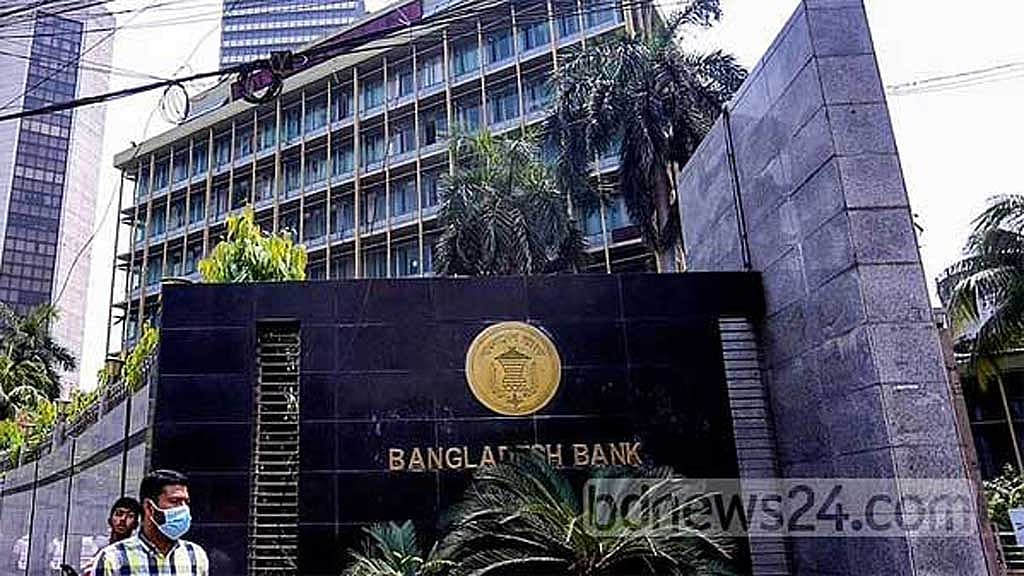
The current financial crisis in Bangladesh is undeniably severe, with the banking system facing a capital shortfall estimated between $30 and $50 billion, with classified and distressed assets accounting for over 30 percent and growing, given the current economic uncertainties including the cost of funding. Those who have lived through significant financial crises like the SNL crisis of the early 1990s, the 1997 Asian financial crisis, the Latin American Crisis, and the 2008 global financial collapse understand that these situations require not only substantial capital infusions but also highly coordinated, robust policy interventions. The path to resolving these challenges is full of execution risks, with limited room for error.
Bangladesh’s crisis is more complex and multi-dimensional than previous ones that we have observed. Like a patient in the ICU facing multiple organ failures, the banking system may soon be on life support if it isn’t already. Stabilising the situation requires not just experienced technocrats and orthodox thinking, but a team of highly skilled, experienced professionals with execution skills who understand the local reality, the dynamic interrelationships and consequences triggered by each policy decision, and uncontrollable factors. We must prioritise which parts of the economy can be saved immediately and which areas might require short-term sacrifices to ensure long-term survival. Attempting to address all these conflicting challenges simultaneously with limited capital will likely lead to failure.
For those in the finance or investment industry, there is no space for pretence. Performance is evaluated daily through “mark to market,” a real-time measurement of financial standings that can, at times, send shockwaves through the entire financial system at times of market stress. The same level of transparency and discipline is essential in managing this crisis.
Bangladesh’s economic challenges must be clearly articulated with measurable data, and the solutions must be executed with precision and realistic planning. A measurable, adaptable strategy is needed, with room for adjustment as the situation evolves. Conflicting priorities—such as stabilising the banking system while managing rampant real inflation and dwindling reserves—make the situation even more complex. The cost of inaction or superficial measures could be disastrous, potentially leading to a prolonged economic depression that would inflict serious pain across the economy and the population, including consequential austerity measures that we want to minimise or avoid.
In times of financial crisis, events can spiral out quickly at lightning speed. Therefore, swift, timely action is vital once the objectives, trade-offs, and uncertainties are crystallised. A key realisation is that without substantial and necessary capital injection, the problems in the banking system cannot be resolved. When capital is eroded, financial engineering alone cannot remedy the situation—restoring capital is the priority. Beyond the IMF bailout, Bangladesh should explore alternative funding options that may be unpopular, such as selling strategic assets to partners, issuing sovereign bonds, securitising real receivables (similar to municipal bonds and asset-backed securities), immediate and clear incentives for FDI, or a combination of these alternative approaches.

While controlling inflation is critical, it must be recognised that without timely access to sufficient financing options, there may be no choice but to resort to printing money. Once the constraints, trade-offs, and limitations are accepted, the decision-making process becomes clearer, allowing for more informed choices and consequences about the difficult path ahead. The plan must survive despite the pieces that are broken that we want to fix or compromise.
All policy decisions have consequences and must be thoroughly analysed and properly understood to minimise adverse material surprises. In this way, we can pick ourselves up and live to fight another day.
[Reaz Islam is an investment market specialist]