Published : 14 Feb 2026, 08:31 AM
Updated : 21 Aug 2026, 03:09 PM


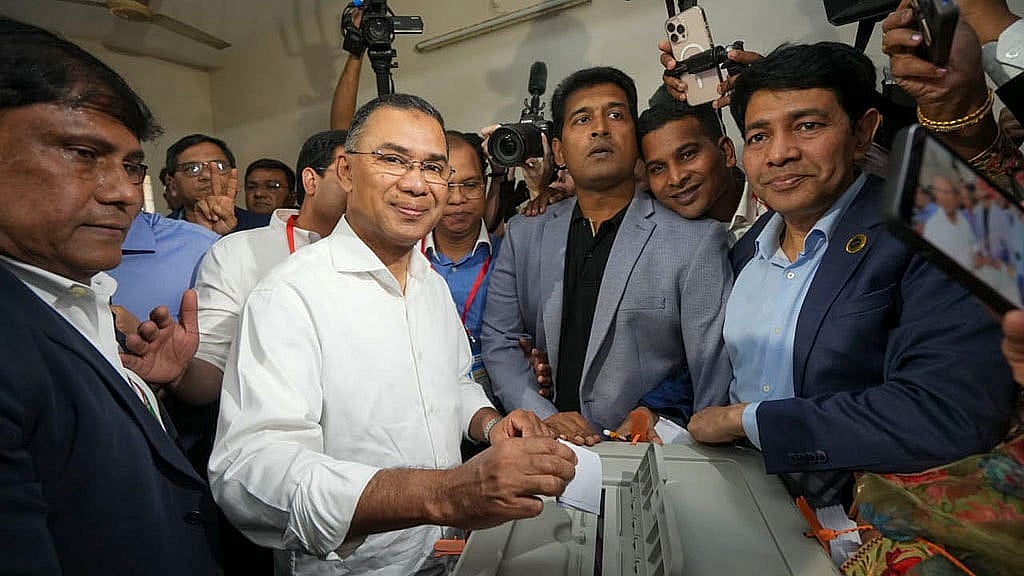
The voters did not drift into this election -- they arrived with memory. Memory of repression and upheaval; of movements that promised salvation and delivered uncertainty. In that reckoning, the Bangladesh Nationalist Party emerged not as a symbol of renewal, but as a shield -- against chaos, against experimentation, against what many feared could become a new form of religious authoritarianism.
The verdict was decisive. After nearly two decades in the wilderness, the BNP secured an absolute parliamentary majority and positioned itself to form the next government.
Yet the scale of the victory raised an immediate question: was such a landslide inevitable?
The election -- held without the Awami League -- was widely framed as a two-horse race between the BNP and its former ally Jamaat-e-Islami, now recast as a rival force.
Jamaat’s leaders and supporters had mounted a highly visible, disciplined campaign, fuelling expectations -- particularly on social media -- that the Islamist party was on the cusp of political ascendancy.
Why, then, did Jamaat’s momentum falter at the ballot box? And what combination of forces propelled the BNP to such an emphatic win?
Political analysts point to two decisive factors: the BNP’s unrivalled nationwide organisational structure, and a broad-based voter backlash against what many perceived as the risk of “religious fascism”.
Events in the final days before polling -- including the arrest of Jamaat leaders in possession of large sums of cash -- further undercut the party’s narrative, benefiting the BNP.
Some analysts also argue that years of repression under Awami League rule -- marked by mass arrests, enforced disappearances, torture and killings -- generated public sympathy for both the BNP and Jamaat. But the final verdict, they say, revealed a more complex reality.
The most consequential implication of the election result, observers note, is this: while the BNP has returned to power, it now faces a formidable opposition in parliament and on the streets.
A Fragmented Field, a Decisive Outcome
The parliamentary polls were held alongside a referendum on state reform, both billed as steps towards restoring democracy.
On Friday, the Election Commission (EC) announced results for 297 of the 299 seats; outcomes in two Chattogram constituencies were withheld under court orders, while voting in Sherpur-3 was suspended following the death of a Jamaat candidate.
According to official results, the BNP won 209 seats. Jamaat secured 68 seats -- the strongest performance in its history.
Among the BNP’s allies, Bangladesh Jatiya Party–BJP, Ganosamhati Andolan and Gono Odhikar Parishad won one seat each. Within the Jamaat-led 11-party alliance, the National Citizen Party (NCP) won six seats, Bangladesh Khelafat Majlis two, and Khelafat Majlis one.
Islami Andolan Bangladesh, which contested independently, won one seat. Seven seats were taken by independent candidates -- all of them BNP “rebels”.
In several constituencies, the presence of BNP rebel candidates split the vote, indirectly helping Jamaat. Even so, the overall balance tilted decisively in the BNP’s favour.
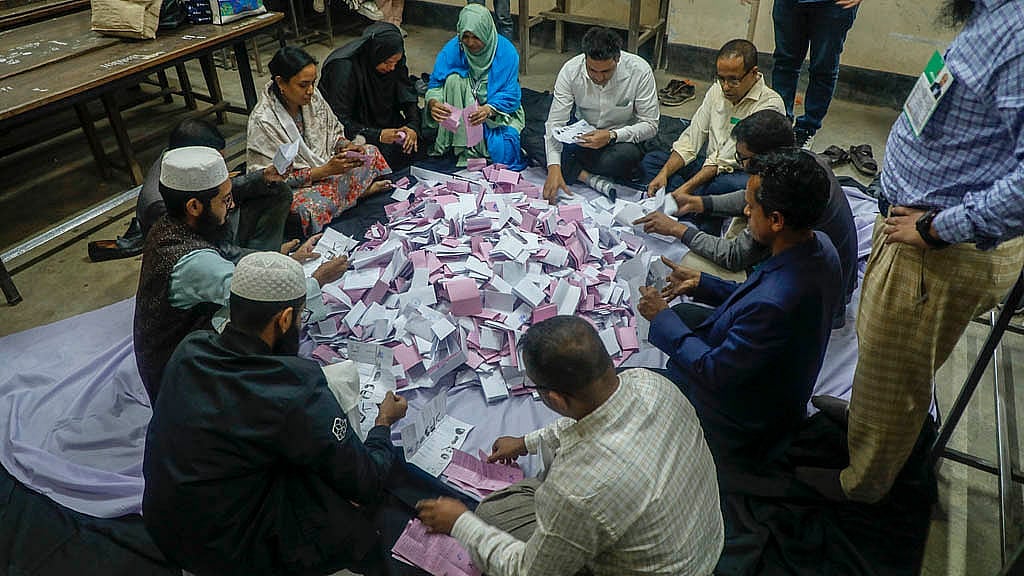
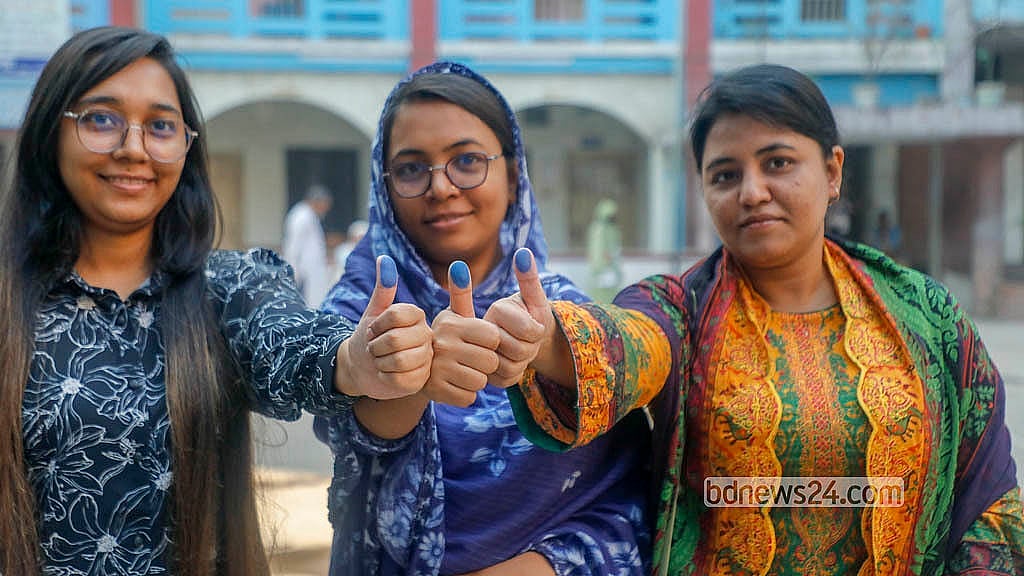
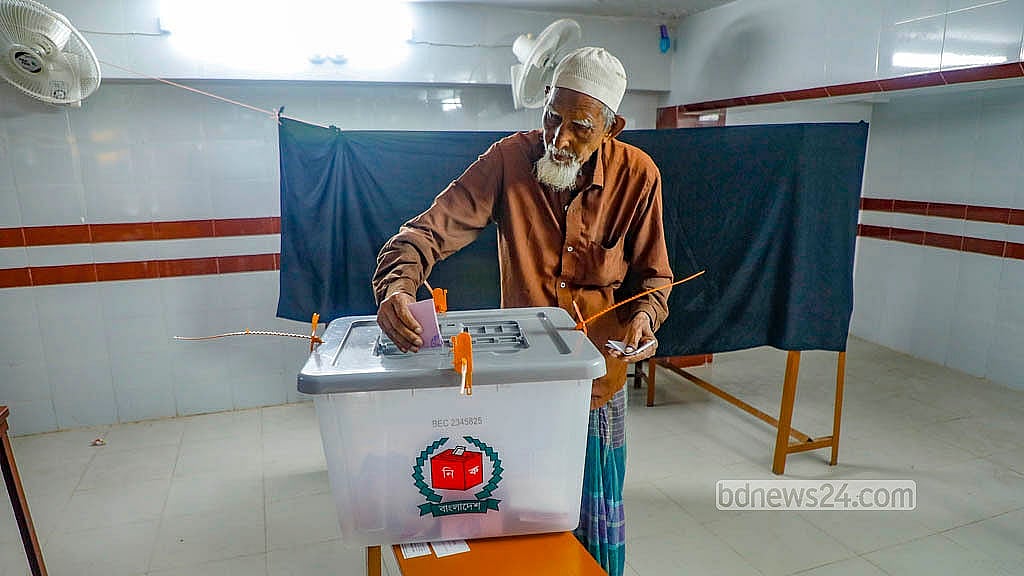
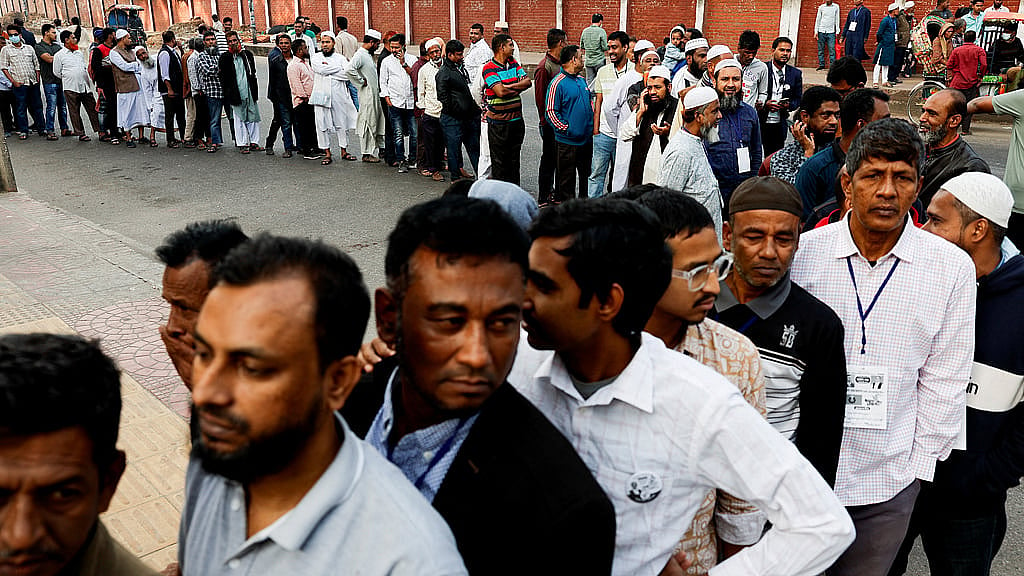
Voter turnout in the parliamentary election stood at 59.44 percent, based on results from the declared seats. Turnout in the referendum was higher, at 60.26 percent, calculated from combined results across all 299 constituencies.
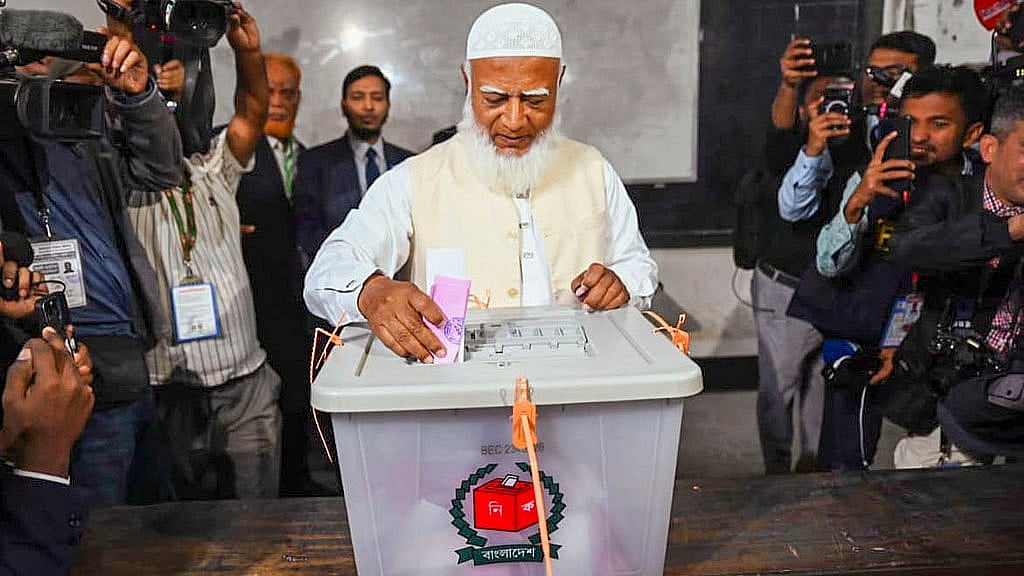
As expected, the referendum produced a “Yes” verdict -- signalling public consent for implementing 48 constitutional reform proposals under the July National Charter. Critics, however, questioned both the process and the framing of the referendum question.
Voting Against ‘Religious Fascism’
The political context of the election was shaped by the July Uprising, which began as a student-led movement demanding reform of public service quotas and culminated in the fall of Sheikh Hasina’s government on Aug 5, 2024.
Following the Uprising, the Awami League was banned from all political activities by the interim government, closing the door to electoral participation.
The vacuum left behind created an opening for both BNP and Jamaat.
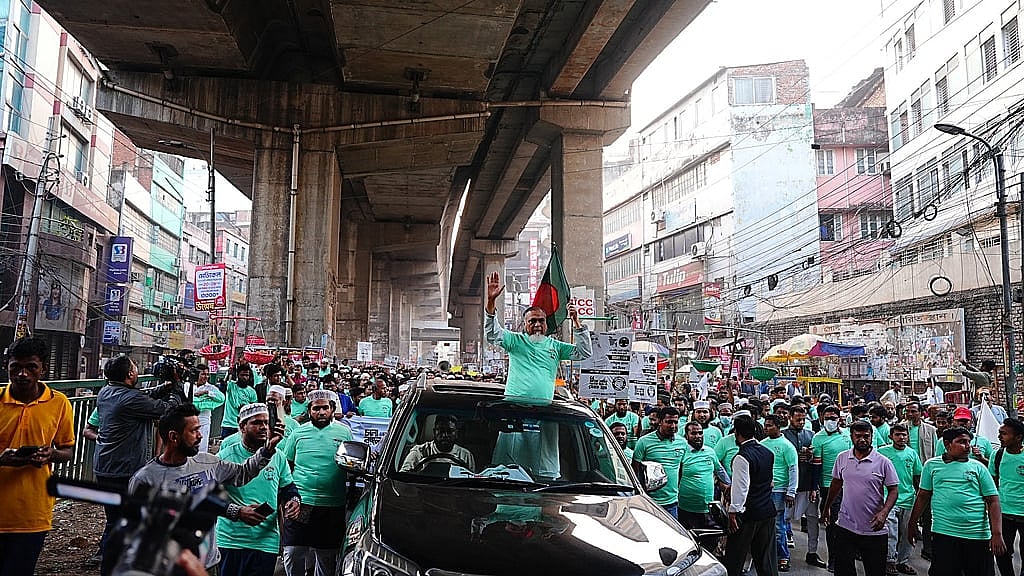
In the months after the Uprising, Jamaat and its student wing advanced a new political narrative. Through tightly organised campaigns and relentless social media activity, they projected an image of inevitability -- that they were poised to take control of national politics.
Over the 18-plus months of the interim government, Jamaat expanded its organisational footprint while preparing for elections. Its student wing, Islami Chhatra Shibir, swept student union elections at five major universities, reinforcing perceptions of growing youth support.
By contrast, the BNP grappled with organisational disarray and persistent allegations of extortion and land grabbing -- charges Jamaat amplified through systematic campaigning.
Yet Jamaat’s momentum faltered under the weight of controversy.
Senior Jamaat figures drew criticism for remarks on women’s rights. Allegations that party chief Shafiqur Rahman had posted misogynistic comments on X, formerly Twitter, placed the party on the defensive.
Jamaat’s opposition to the Women’s Reform Commission report, statements about reducing women’s work hours, and its failure to nominate female candidates further alienated voters.
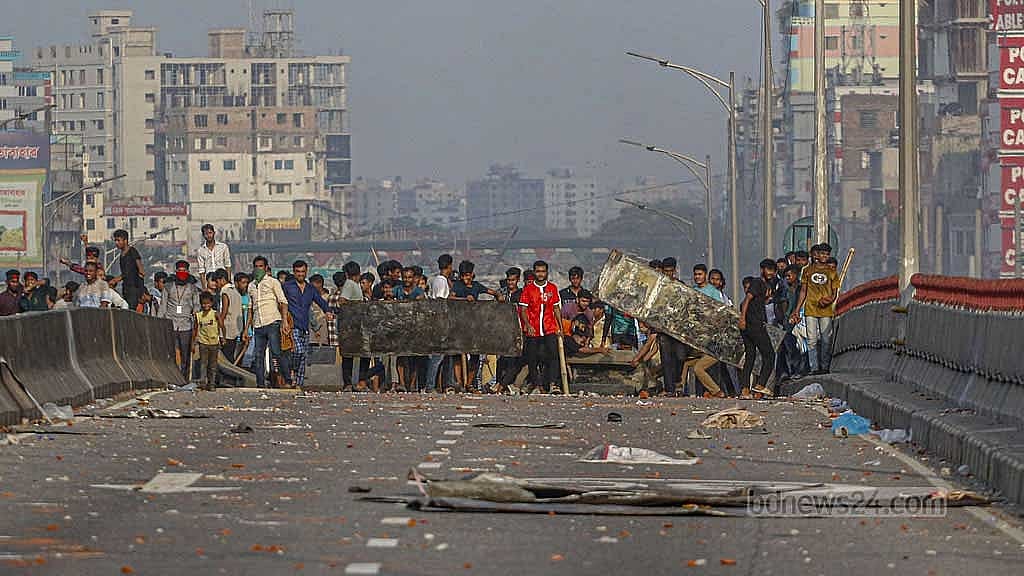
More damaging still were incidents attributed to so-called “Towhidi Janata” during the interim period -- attacks on shrines, vandalism and arson, exhumation and burning of bodies, disruptions of cultural programmes, and the demolition of Bangabandhu Sheikh Mujibur Rahman’s historic residence at Dhanmondi 32.
These episodes left a deep imprint on the public psyche and sparked widespread protest.
For many voters, analysts say, the election became a referendum on preventing the rise of religious authoritarianism.
BNP’s Structural Advantage
Senior Bangladesh JaSaD leader Mushtuq Husain told bdnews24.com that BNP’s organisational depth proved decisive.
“During Awami League rule, BNP was the main opposition party -- first in parliament, then outside it, continuously on the streets,” he said.
“They were the principal force in every movement against the Sheikh Hasina government. They maintained an unbroken organisational structure, extending down to every Upazila and union.”
He added that opposition to Jamaat played a critical role.
“Leaders of parties that reject religion-based politics openly said they wanted to defeat the collaborators of 1971,” he said, referring to Jamaat.
“To stop Jamaat’s rise, many voters abandoned their own candidates at the last moment and voted for the BNP to ensure its victory.”
Former secretary Abdul Awal Majumdar noted that while vote-buying was lower than in elections held in 1991, 1996 or 2008, heightened media exposure amplified allegations of irregularities, damaging Jamaat candidates in tight races.
Analyst Prof Asif Mohammad Shahan, a teacher of development studies at Dhaka University, criticised Jamaat’s campaign messaging.
“They talked extensively about the BNP’s extortion and violence,” he said. “But they failed to explain convincingly why Jamaat was a better alternative.
“Even voters influenced by Jamaat’s criticism ultimately chose the BNP because the counter-narrative was weak.”
Shahan also pointed out that the BNP nominated seasoned politicians -- former MPs and ministers -- while Jamaat fielded relatively unknown candidates in many constituencies.
Political scientist Kazi Mohammad Mahbobor Rahman cautioned against overestimating social media momentum.
“Social media hype does not always reflect reality,” he said. “Those who create the hype also make it visible. But on the ground, the connection with electoral outcomes was minimal.”

‘Expected Outcome’
For election analyst Abdul Alim, the outcome was hardly surprising.
“The BNP’s result was expected. Jamaat also achieved a record number of seats,” he said. “Both parties benefited from public sympathy after years of repression.”
He noted that under caretaker governments, no party in Bangladesh’s history had won consecutive elections.
“If a caretaker government had remained, the BNP might have come to power as early as 2014,” he said.
He cited the filing of millions of cases against BNP activists, hundreds against individual leaders, and prolonged persecution as factors that deepened public empathy. The party’s survival despite Khaleda Zia’s prolonged illness and Tarique Rahman’s leadership from exile further strengthened its image.
“Despite all the pressure, the party did not fracture,” he said. “Khaleda Zia’s uncompromising stance sent a positive message to voters.”
On Jamaat, Alim observed that its banning and deregistration under the previous government also produced sympathy -- contributing to its strongest-ever showing.
Jamaat had won a maximum of 18 seats in 1991; this election shattered that record.
Capability Versus Constraint
Prof Shahan framed the result as a contest between the BNP’s nationwide capacity and Jamaat’s regional limitations.
“I never expected BNP to win two-thirds of the seats,” he said. “I thought they would secure a simple majority -- around 160 or 170 seats.”
Under Bangladesh’s first-past-the-post system, he explained, modest vote margins can translate into overwhelming seat advantages.
Jamaat’s vote base, he said, remained concentrated in Khulna, Rajshahi and Rangpur divisions, with pockets of success elsewhere. The BNP, by contrast, demonstrated competitiveness across the country -- even in Jamaat strongholds.
Minority voters, farmers and workers also backed the BNP overwhelmingly, aided by targeted initiatives such as the party’s family and farmer card schemes.
What Jamaat's Results Reveal
Historically, Jamaat’s vote share ranged between 4 and 12 percent, concentrated in select districts. This election upended that pattern, delivering nearly four times as many seats as its historical peak.
This surge was driven partly by alliances with Islamist parties and by drawing in the youth-led NCP born out of the July Uprising.
Jamaat performed strongly in northern Bangladesh but fared poorly in Chattogram and Sylhet divisions. Mymensingh yielded limited success.
Dhaka, however, marked a breakthrough. Jamaat secured six of 15 seats across the capital’s two city corporations -- a historic first -- with one additional seat won by NCP Convenor Nahid Islam.
In several constituencies, Jamaat lost narrowly to the BNP by margins of 2,320 to 4,399 votes, including in Tarique’s seat. In others, the gap ranged from 5,000 to 7,000 votes.
The party also consolidated control over key entry points into the capital -- including Jatrabari, Shonir Akhra, Jurain, Gabtoli and Mirpur -- areas central to last year’s protests.
Diverging Narratives
Nazrul Islam Khan, the BNP’s electioneering chief, expressed confidence that the party could perform even better in future elections.
“We nominated candidates in 292 seats,” he said. “Naturally, every candidate enters an election expecting victory. God willing, our results will improve further next time.”
Jamaat, however, struck a defiant note. In a Facebook post, the party described its defeat as “engineered”, urging supporters to remain patient.
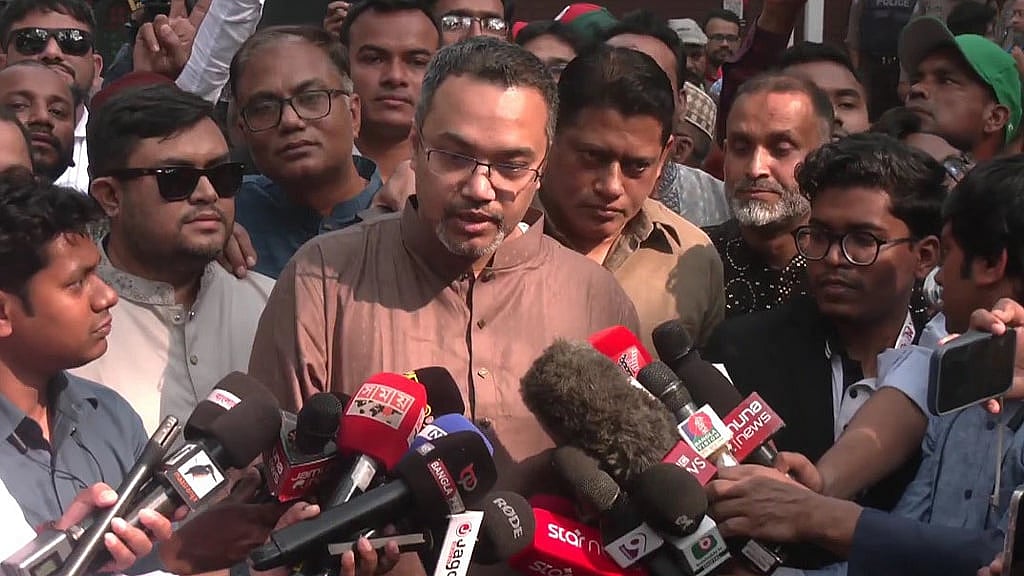
“The manner in which results were prepared and announced is unclear,” the statement said. “In many places, our candidates lost narrowly under mysterious circumstances. Repeated inconsistencies raise serious questions about the transparency of the election.”
The verdict has returned the BNP to power. But it has also reshaped Bangladesh’s opposition -- and set the stage for an intense contest in both parliament and the streets.