Published : 29 Apr 2026, 04:45 PM
Updated : 28 Aug 2026, 01:33 AM


Gopalganj Eye Hospital and Training Institute, the largest government facility of its kind in south-western Bangladesh, has faced severe operational challenges due to nearly two-thirds of its medical posts remaining unfilled.
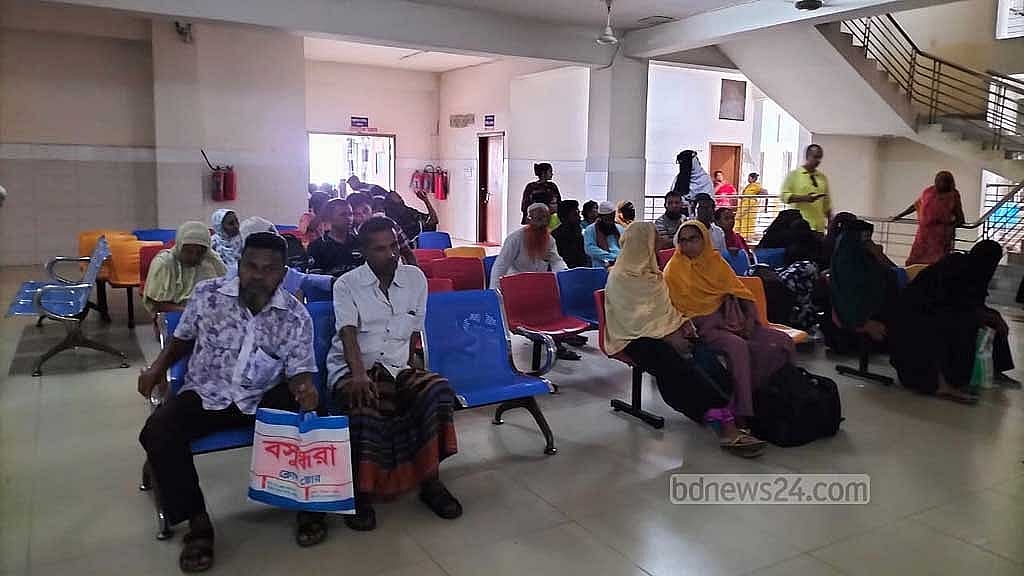
The hospital caters to an average of 600 outpatients daily who rely on its specialised services.
Hospital Director Syed Shahin Iqbal has noted that while the institution, now a decade old, has built a strong reputation, the current manpower crisis is stretching the existing staff to their limits.
Service users have also demanded urgent recruitment of doctors to ease the pressure.
According to hospital records, patients from Khulna, Barishal, Dhaka and Rajshahi divisions receive treatment here with a Tk 10 ticket, with at least 75 eye surgeries conducted weekly, including free procedures for cataracts and other conditions.
Two-Thirds of Doctor Posts Vacant
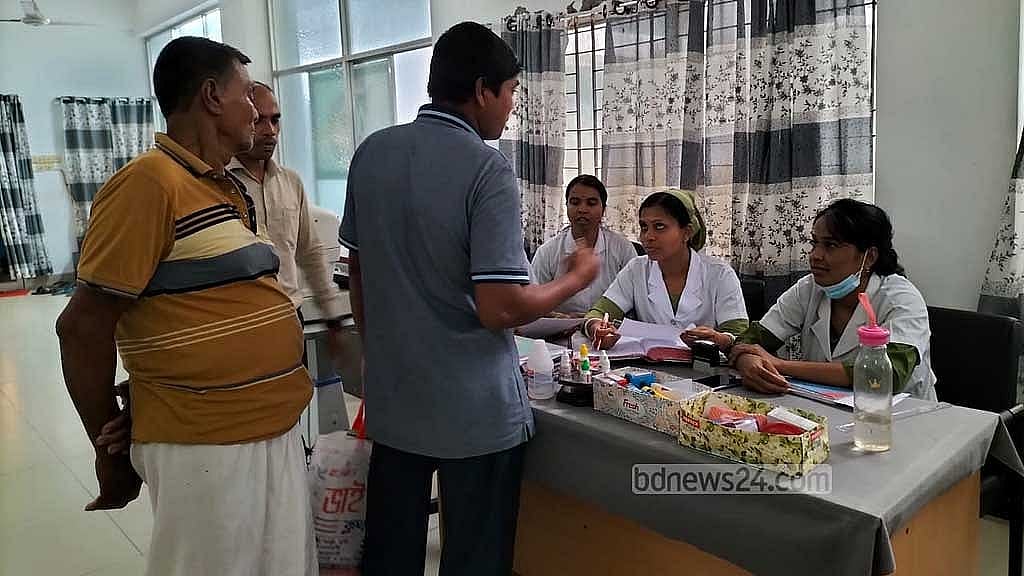
Of the 91 approved doctor positions, only 37 are currently filled, leaving 54 posts vacant.
Among them, just two senior consultants are in place against 11 posts, while only three junior consultants are working out of 11 positions.
Of 54 posts for indoor, outdoor and emergency medical officers, 28 are filled.
Two assistant professor posts remain vacant, while only one residential surgeon is serving against three posts.
Both training lecturer positions are also unfilled.
Long Waits for Patients
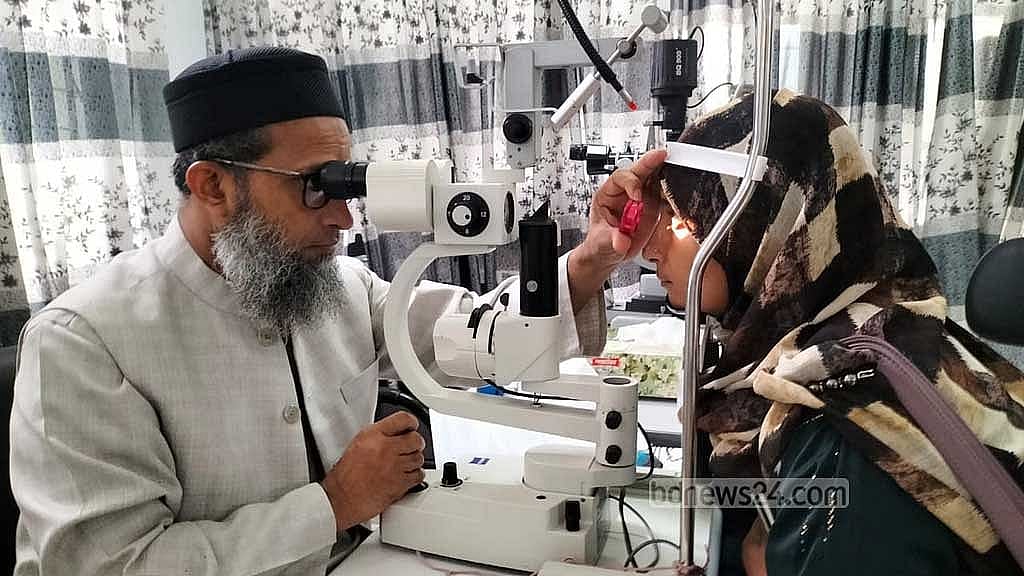
Patients say while basic care is satisfactory, those needing surgery face delays.
Prabhash Chandra Biswas, 56, from Monirampur in Jashore, said he has visited the hospital four times due to delays in securing a surgery date for a tear duct procedure.
He has finally been scheduled for surgery on Wednesday after being admitted on Tuesday.
Prabhash said many patients like him face repeated visits due to the shortage of doctors.
Similarly, 78-year-old Abul Bashar Matubbor from Faridpur spent two hours in a queue just to see a consultant, while Ashalata Biswas from Khulna noted that she was asked to return the following week for biometric tests before even being placed on the surgical waitlist.
Relief in Low-Cost Treatment
Despite the logistical friction, the low cost of treatment remains a lifeline for many.
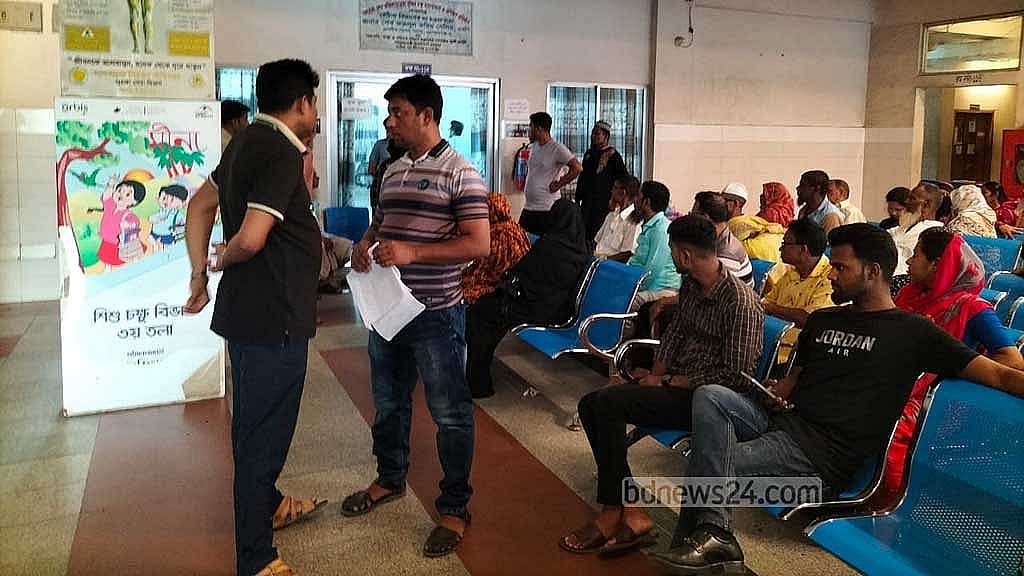
Jatin Biswas, 65, from Faridpur, expressed relief after receiving a free cataract surgery, even though the physician shortage forced him to wait two weeks for the slot.
He praised the facility's modern equipment and hygiene standards.
Kamruzzaman Koli from Narail shared that he received free retina medication, saving him the thousands of taka usually spent on trips to Dhaka or Khulna.
Abdul Halim, 59, from Rajshahi, said he travelled overnight by train for treatment and received free medication worth around Tk 500 after consultation.
He said many people from his region travel to the hospital for affordable care, benefiting from lower travel costs by train.
The hospital was built on about 6.07 hectares of land in Gopalganj’s Ghonapara, with construction beginning in 2010 at a cost of Tk 1.43 billion.
It was completed in June 2015 and inaugurated in April 2016 by then prime minister Sheikh Hasina.
Following the fall of the Awami League government in 2024, the facility was renamed as Gopalganj Eye Hospital and Training Institute.
Hospital officials said despite limitations, services including retina care, paediatric ophthalmology, oculoplastic surgery, low vision support, laser treatment and regional research activities are ongoing, alongside regular surgeries.
They said upgrading equipment such as phacoemulsifier machines and auto refractometers could enable international-standard care.
Director Shahin said the hospital remains a major centre for eye care outside Dhaka, serving people from all backgrounds, though shortages in manpower and equipment persist.
He said authorities have been informed and solutions are expected soon to improve service quality.
Gopalganj MP KM Babar said efforts are under way to improve healthcare services in the district, adding that issues at the eye hospital, including staffing shortages, will be addressed to ensure better care for a wider population.