Home
+
Published : 18 Jun 2026, 12:19 AM
Unyielding Outbreak, Unbroken Curve
Data divide: Despite official claims of 103 percent vaccine coverage, nationwide infections and hospital admissions refuse to decline
Blind spot: Health experts warn that a severe lack of granular data on patients' ages and locations is stalling targeted action
Missing strategy: Weeks into the crisis, the absence of an approved national treatment guideline is actively hindering consistent care
Accountability gap: Critics blast the refusal to declare a health emergency as daily case numbers and child mortality remain high
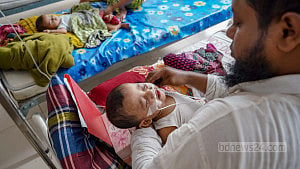
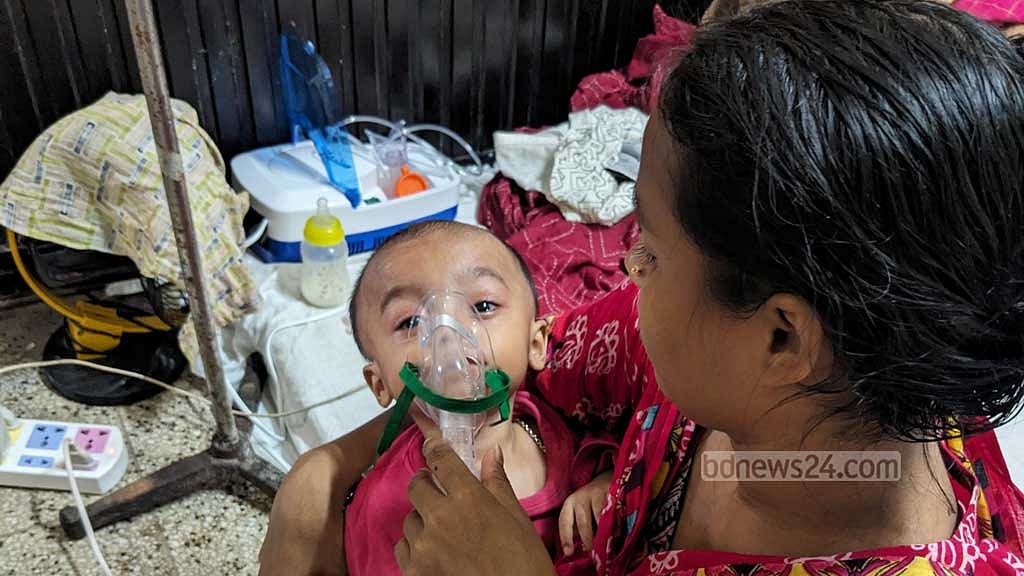
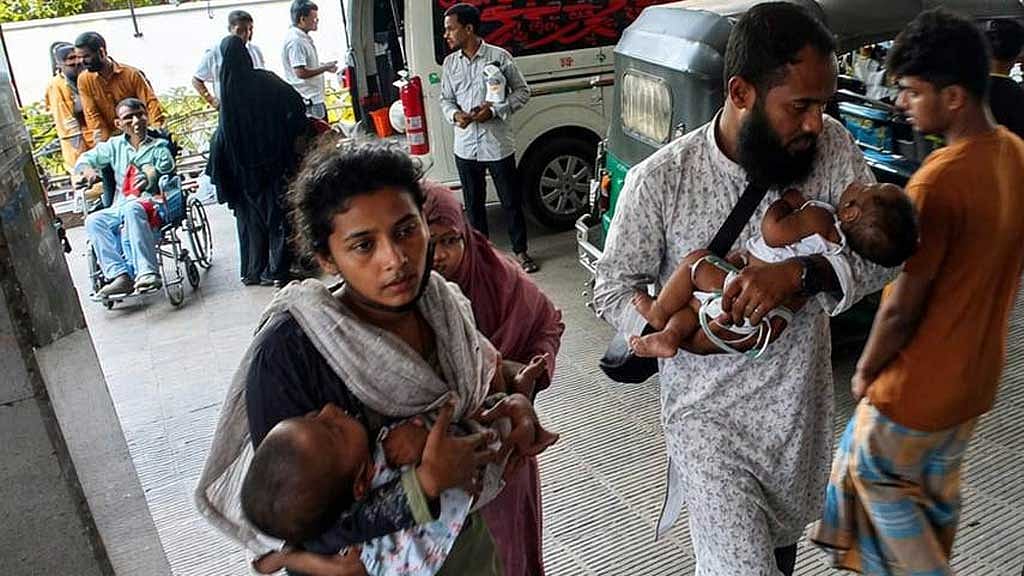
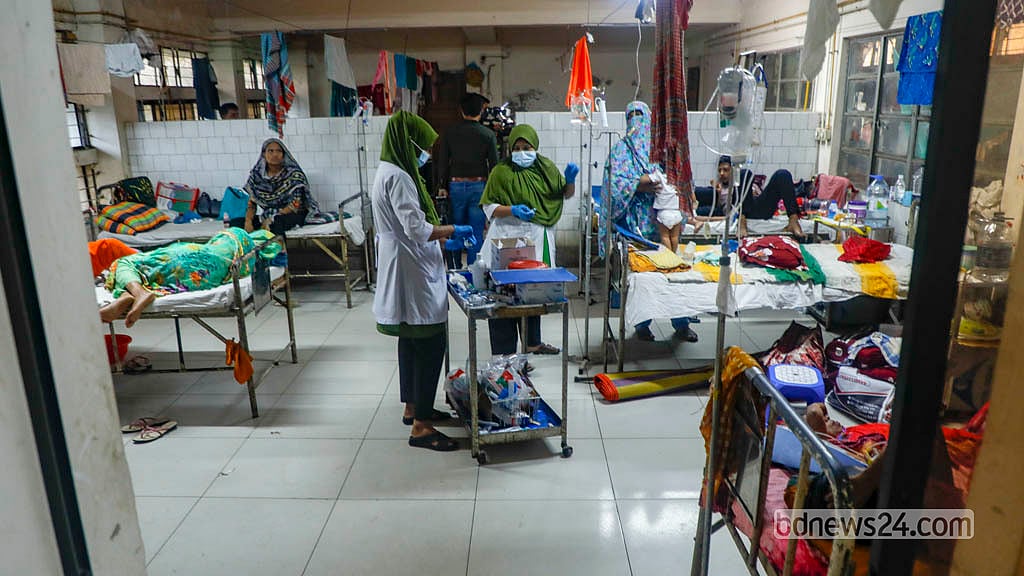
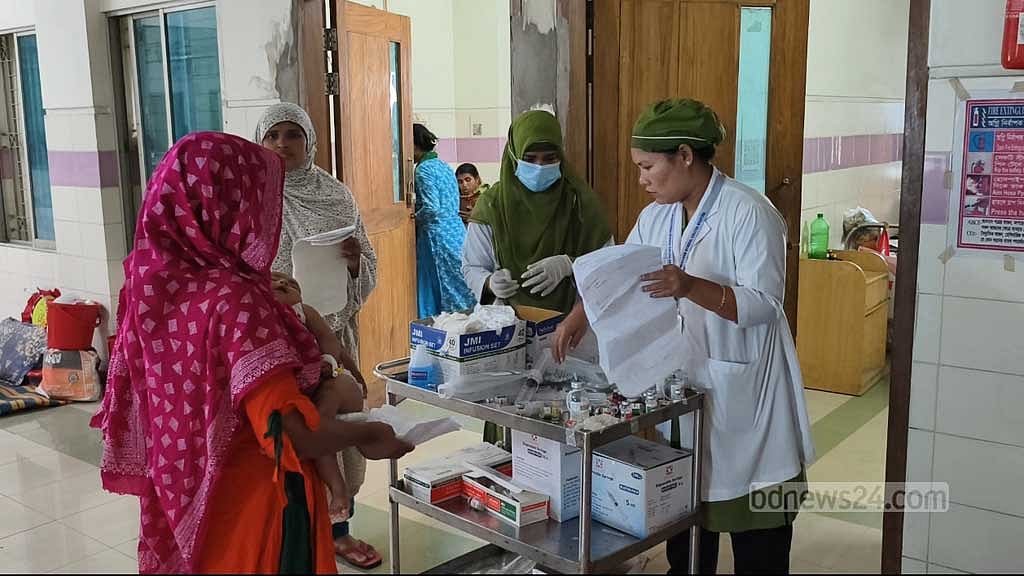
In hospital wards across Bangladesh, the pattern has become painfully familiar: children arriving with fever and rash, families hoping it is mild, and doctors confronting a disease that was meant to be under control.
Weeks after the government declared near-universal vaccination coverage, measles has not receded. It has lingered, quietly defying expectations, filling paediatric beds and unsettling public health assurances.
Officials insist the curve is bending downward. But on the ground, the numbers refuse to tell a clear story of retreat.
The Promise and the Reality
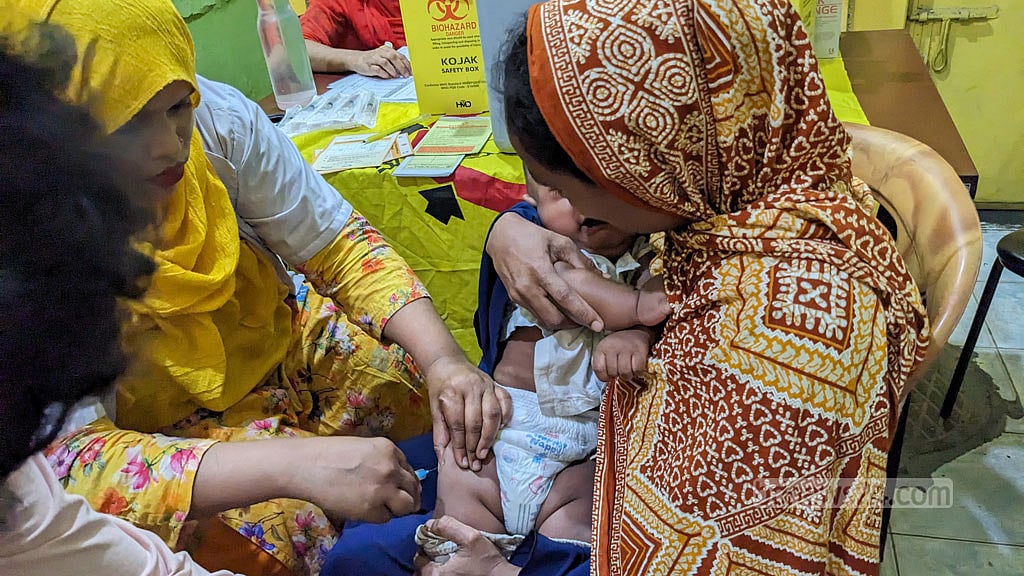
Four weeks after authorities said nearly all children aged 6 months to 5 years had been vaccinated against measles, there is still no consistent decline in infections nationwide.
The Directorate General of Health Services (DGHS) maintains that both infections and deaths are falling. Yet public health specialists argue the epidemiological picture does not align with what would normally follow a successful immunisation campaign.
They point out that measles antibodies typically develop within four weeks of vaccination, after which transmission should fall sharply. The continued spread, they say, suggests either incomplete vaccine coverage or weaknesses in outbreak response.
More troubling, specialists say authorities still lack a clear picture of which children are now driving transmission. Without detailed information on the ages and locations of infected children, they argue, it is difficult to identify why the outbreak is proving so persistent.
“If coverage had truly reached 100 percent, measles would have come under control by now,” experts note, adding that persistent transmission indicates gaps in immunisation.
They also highlight the absence of a structured national guideline for managing the outbreak.
Prof Mahmudur Rahman, chairperson of the National Verification Committee (NVC), told bdnews24.com: “We are not seeing the expected decline after full vaccination coverage. What matters now is the age group of infected children. Which age groups are being affected? Detailed data on measles patients is crucial.”
The Toll So Far
Since Mar 15, more than 661 children have died with measles or its symptoms, according to DGHS data. Around 90,000 suspected cases have been reported, with 10,634 confirmed infections.
The outbreak escalated rapidly after initial detection in Rohingya camps in Cox’s Bazar in January, followed by spread in multiple regions by February. By mid-March, a nationwide data collection system was formally introduced.
Vaccination drives began on Apr 5 in 30 high-risk Upazilas, expanded to city corporations on Apr 12, and then rolled out nationwide between Apr 20 and May 20.
On May 10, officials announced 99 percent coverage of targeted children. After completion of the campaign, that figure was revised upward to 103 percent.
Yet infections have remained stubbornly high, raising questions about why the outbreak has not receded more quickly.
The Curve That Won't Break
DGHS bulletins show that on Apr 5, 974 suspected cases were reported in a single day. On May 5, that number rose to 1,186. By Jun 17, suspected cases stood at 966, with 872 hospital admissions in 24 hours.
While daily figures have fluctuated, experts note that hospital admissions and overall transmission remain far higher than would typically be expected several weeks after vaccination.
Hospital admissions across divisions have remained consistently high:
Daily averages reinforce the concern:
Despite claims of progress, experts say the trajectory remains stubbornly high.
DGHS Director General Pravath Chandra Biswas, however, insists the situation is improving.
“We have done everything possible to control measles. From early June, we have seen a downward trend from the peak curve,” he said.
He added that daily hospital admissions have dropped from around 1,500 to below 1,000, and deaths have also declined. DGHS data shows three confirmed measles deaths and 69 suspected deaths between Jun 1 and Jun 15.
Coverage Under Scrutiny
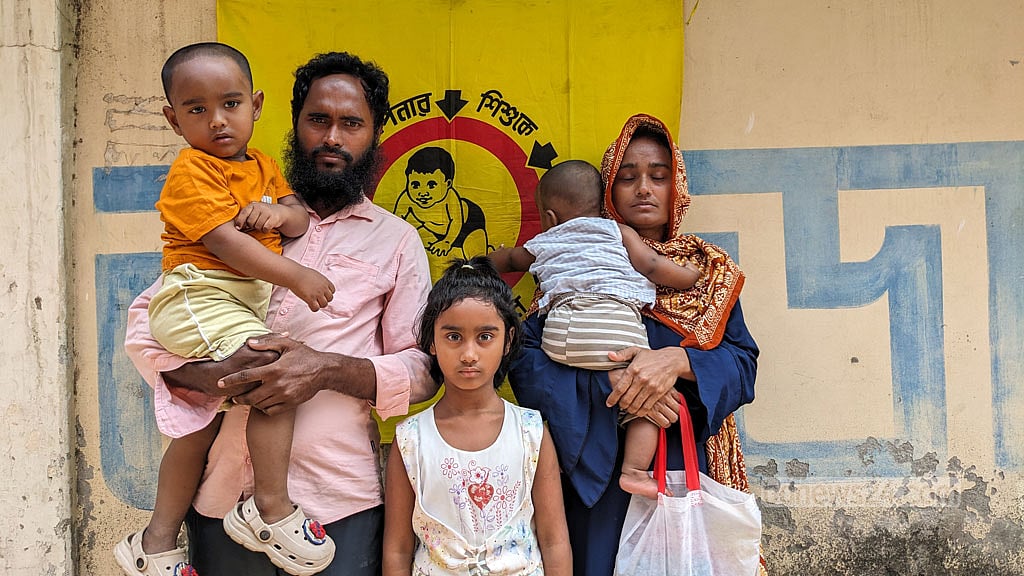
The reported vaccination coverage of 99–103 percent has become a central point of dispute.
Public health specialist Prof Mushtuq Husain says official “target coverage” may not reflect the full child population.
“The children counted in the government target may not include every child in the country,” he said.
He added, “In the recent campaign, there was not enough preparation time, so many children may have been missed in microplanning. But in an epidemic, everyone must be vaccinated.”
Public health strategist Prof Be-Nazir Ahmed is more direct.
“If coverage exceeds 95 percent in a locality, measles transmission can be controlled,” he said. “But if the government claims over 100 percent coverage and yet infections continue, it suggests problems in coverage data or implementation.”
Why the Virus Persists
Vaccine effectiveness, experts say, is also shaped by biology.
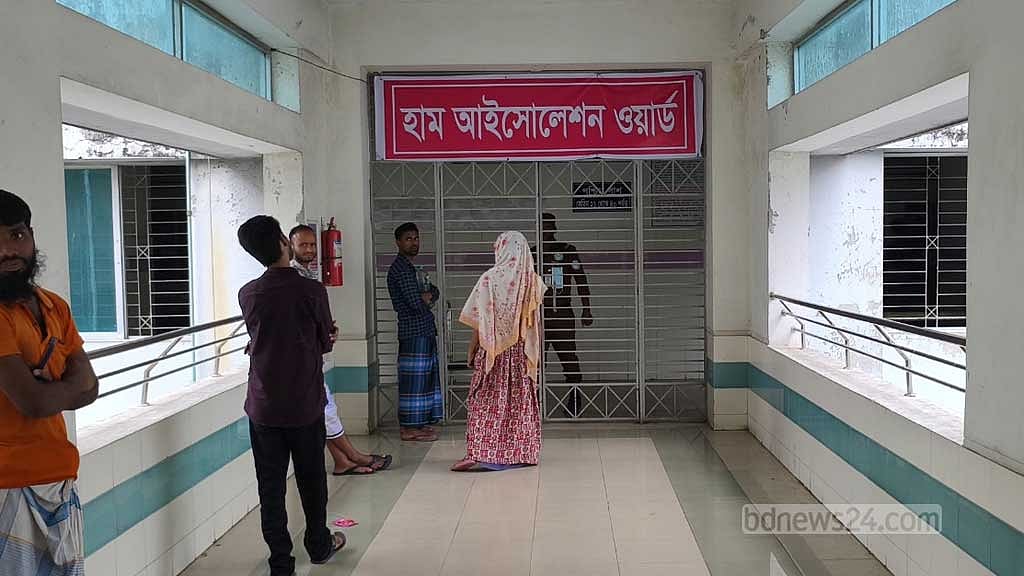
Public health specialist, epidemiologist, and vaccinologist Dr Tajul Islam A Bari explains that infants receive maternal antibodies -- IgG through the placenta and IgA through breast milk -- which can reduce early vaccine effectiveness.
“As a result, vaccine effectiveness increases with age,” he said.
He outlines a gradual rise in protection:
DGHS chief Pravath maintains that the campaign has been successful and that measles will continue to decline gradually.
“Measles will not drop suddenly. It is gradually decreasing and we expect a sharp fall by the end of June,” he said.
Missing Data
Beyond vaccination debates, experts highlight a deeper structural gap: the absence of granular data.
NVC’s Prof Mahmudur says a sufficiently detailed picture of who is being infected and where remains missing.
“If we knew which age group or which area is most affected, we could respond more effectively,” he said.
Prof Be-Nazir added, “We do not know where patients are coming from or which age groups are most affected. That makes control extremely difficult.”
He warns that this lack of data is prolonging the outbreak and limiting targeted interventions.
The Guideline That Never Came
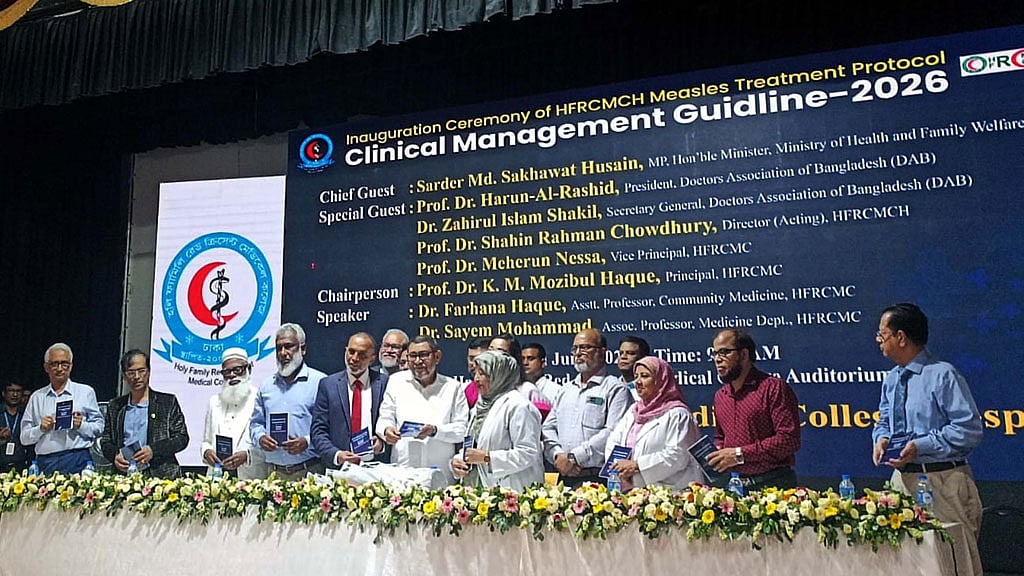
Experts also point to the absence of a national measles treatment guideline as a critical failure.
They argue that standardised protocols could reduce mortality and ensure consistent care across hospitals.
The health directorate says a technical committee formed on Apr 27 has completed drafting the guideline, which is now awaiting approval.
Disease Control Director Dr Halimur Rashid said, “We have prepared the guideline in the last three weeks and submitted it to the expert committee for approval.”
Prof Pravath added approval is expected soon. But experts say delay has already cost lives.
“A guideline for tackling measles was essential, but it has still not been prepared,” said Dr Mushtuq.
Accountability and Response
Health experts say responsibility for the outbreak cannot be separated from policy and preparedness.
Prof Be-Nazir argues the state bears responsibility for failing to contain the epidemic over time and calls for a review committee to assess weaknesses.
Dr Mushtuq goes further, criticising the absence of a declared health emergency.
“Children are dying every day, yet no health emergency has been declared,” he said. “Without coordinated urgency, control becomes difficult.”
The DGHS, however, maintains that emergency measures are unnecessary.
“We are continuously publishing data and taking maximum measures. There is no need for an emergency now,” the DGHS chief said.
Despite official assurances of progress, the broader picture remains unresolved: a disease expected to retreat after mass vaccination continues to circulate, exposing gaps not only in immunity, but in the systems designed to measure, interpret and contain it.