Published : 11 Jan 2026, 10:06 PM
Updated : 21 Aug 2026, 03:00 PM


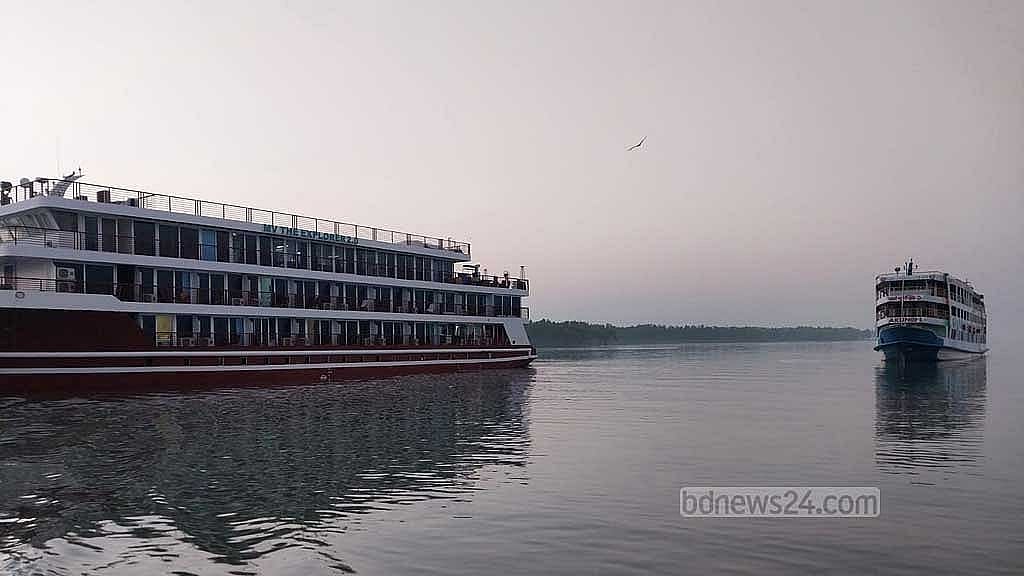
Through the labyrinthine waterways of the Sundarbans -- the world’s largest mangrove forest and a UNESCO World Heritage site -- luxury cruise vessels glide like steel leviathans, their engines growling through the quiet, diesel fumes trailing behind them like smoke from a warship.
Even at anchor, the generators hum incessantly, keeping air-conditioning and swimming pools alive while the forest’s nocturnal symphony -- birdsong, rippling water, the rustle of leaves -- is drowned out by artificial lights, booming music, and the roar of engines.
Tourists peer from glassed-in rooms at the sprawling mangroves, the bright winter sun filtered through tinted panes, oblivious to the subtle poisoning of the waters beneath them.
All this luxury and convenience runs on a single, destructive fuel: diesel. Every 1,500 to 2,500 litres burned per trip is a slow poison, coating soil, fouling water, and imperilling wildlife. Experts, foresters, and even tourists warn that the Sundarbans cannot withstand this assault for much longer.
“This is not the adventure we expected,” said Hasanur Rahman, a tourist from Khulna. “You will not hear a bird tweet in days.”
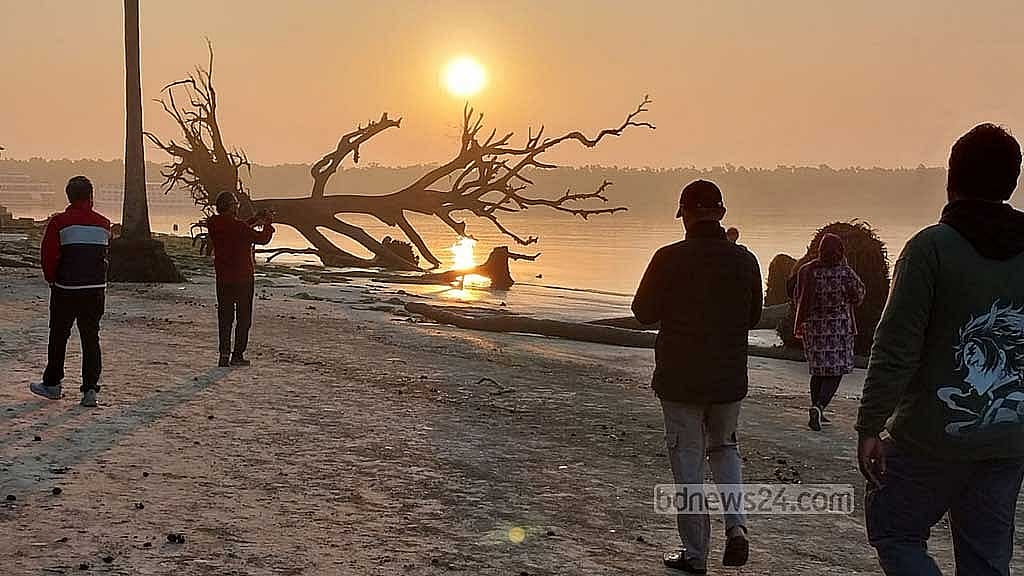
The diesel-fuelled tourism boom has converged with industrial pollution from Mongla port, coal-fired power plants, and oil tankers, amplifying the forest’s vulnerability.
Water used in some vessels featuring swimming pools -- for bathing, washing, or flushing toilets -- is carried in large tanks beneath the boat’s freeboard. Powerful motors are required to lift water into storage tanks.
“These tours are not only harmful but lack the thrill expected from a trip to the forest where majestic Royal Bengal Tigers roam,” said Hasanur.
Tour operators, visitors, and forest officials all agree that harming this extremely fragile ecosystem must stop.
The Sundarbans are vital to Bangladesh’s protection against frequent cyclonic storms.
“All tourists seem to care about is luxury, and our instructions are largely ignored,” said Rezaul Karim Chowdhury, divisional forest officer of the Sundarban East Forest Division.
INDUSTRIAL BACKDROP
Tourism, by contrast, poses the least threat. The Mongla port handles over 2,000 ships and more than 10 million tonnes of cargo each year. Oil tankers deliver energy supplies, including petroleum and coal. A 1,320MW coal-fired power plant and several cement factories operate nearby, adding to environmental strain.
DIESEL BOOM CONTINUES
Tourism has expanded greatly over the past five to six years, with diesel power at its core, said Wahidur Rahman, owner of Grand Holidays, a Khulna-based private tourism agency.
Currently, around 70 tourist boats operate in the east and west zones of the Sundarbans, including 60 luxury vessels introduced after 2019. Investor interest from Dhaka and Barishal has grown, particularly following the Padma Bridge construction.
Half of these vessels carry 75 passengers; the rest accommodate 40–50. Typical three-day trips cover 350km -- about 6 percent of the Bangladeshi Sundarbans, which spans 6,000sqkm.
“A medium-sized tourist boat burns up to 1,500 litres of diesel in a single trip,” said Wahiduzzaman Nirjhor, a tourist boat manager.
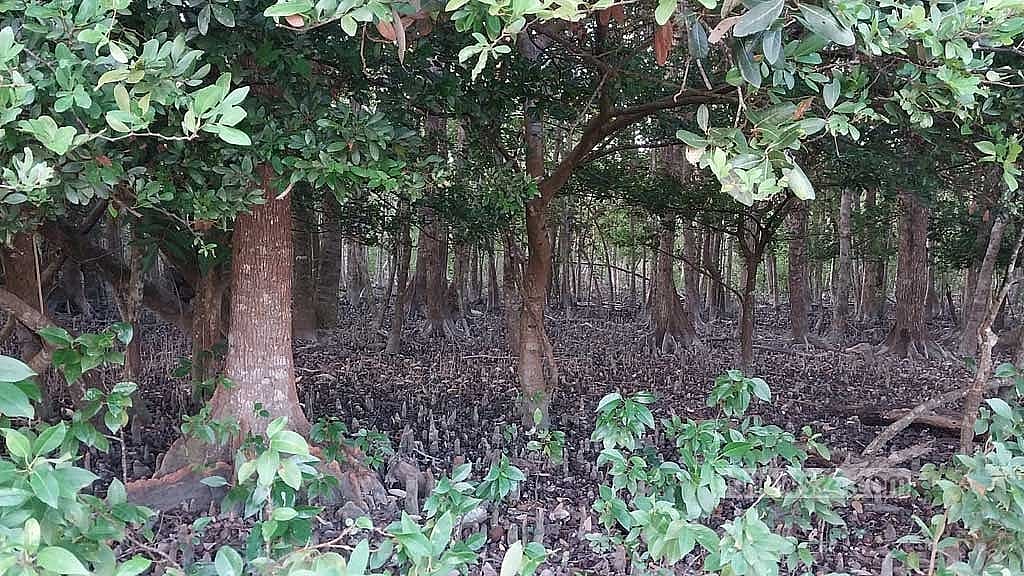
A tourist vessel averages 30 trips per season, while the largest consumes 2,500 litres per trip. Prices range from Tk 12,000 to Tk 30,000 per person.
Even a decade ago, generators ran only part of the day. Commercial tourism began in the 1990s, initially attracting foreign tourists. Over the last decade, local tourism has expanded.
Local tourists often break rules, staying past sunset, lighting bonfires, and playing loud music, foresters said. Groups frequently include climate, environment, and green energy activists seeking secluded spots beyond cell phone coverage to focus on planning or strategy meetings.
Tourist vessels are also major plastic polluters, carrying bottled water and packaged goods. While operators claim waste is not dumped in the forest, inadequate plastic management in Bangladesh means much of it eventually reaches rivers and the sea.
Many vessels have open toilets, discharging directly into rivers such as the Sela, the most frequented tourist route.
SLOW POISONING OF THE FOREST
Tourist vessels are potential sources of oil leaks. A December 2021 study by Dutch publisher Elsevier found 15 heavy metals in Sela River sediments from oil spills.
“Sundarbans is unique. It gets washed twice every day by the tide,” said Md Wasiul Islam, a forestry and wood technology professor at Khulna University.
Leaked oil spreads across rivers, creeks, and canals, coating tree roots used for breathing and soil retention. Surface oil also blocks sunlight, affecting aquatic life and forest ecology.
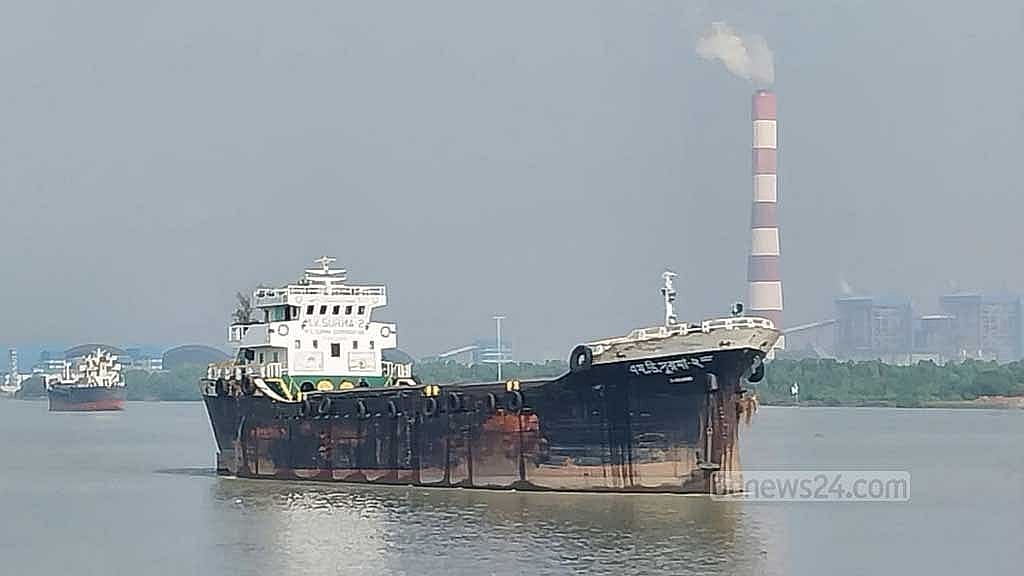
Experts say water pollution is a severe threat, particularly to the Sela River, the largest habitat for endangered Irrawaddy and Gangetic dolphins. Forest communities are also vulnerable.
The Sela River drew global attention after a December 2014 oil spill released 94,000 gallons of heavy fuel.
Last month, Brill Publishers estimated over 2,500 tonnes of operational oil spills annually from ships and land-based sources in Bangladesh. Collisions involving lighter tankers were major contributors. Mongla port generates an estimated 27,460 tonnes of garbage yearly, up to 89 percent oily waste.
“As is often the case with us, we have failed to understand the importance of protecting such a precious forest and promoting responsible tourism and business,” said Mostafizur Rahman, an environmental science professor at Jahangirnagar University.
His research has found overwhelming evidence of microplastics in animal droppings. He cited examples from Vietnam, where boats must turn off engines and passengers use oars, and other Asian sites restricting visitor materials to reduce pollution.
FLICKERING RAY OF HOPE
The faintest hope for change lies in tiny, rickety fishing boats using solar panels.
Poor fishermen power light bulbs and charge phones with renewable energy while minimising other consumption -- a discipline the affluent and their service providers have not matched.
Energy expert Shafiqul Alam emphasised that informed decisions, innovation, and renewable energy could have minimised the damage.
“We need to learn fast from those around us,” he said.
“We also need to act quickly.”