Home
+
Published : 08 Feb 2026, 05:59 PM
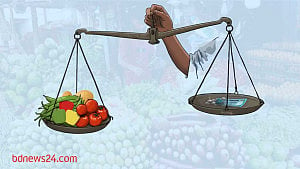
Bangladesh’s inflation rate rose in January compared with December last year, largely due to higher food prices, according to the latest official data.
On a point-to-point basis, overall inflation stood at 8.58 percent in January, up from 8.49 percent in December, the Bangladesh Bureau of Statistics (BBS) said in figures released on Sunday.
The January inflation rate indicates that a basket of goods and services that cost Tk 100 in January last year required Tk 108.58 to purchase in January this year.
The updated BBS data show that inflation increased again in January, extending an upward trend seen over the previous months.
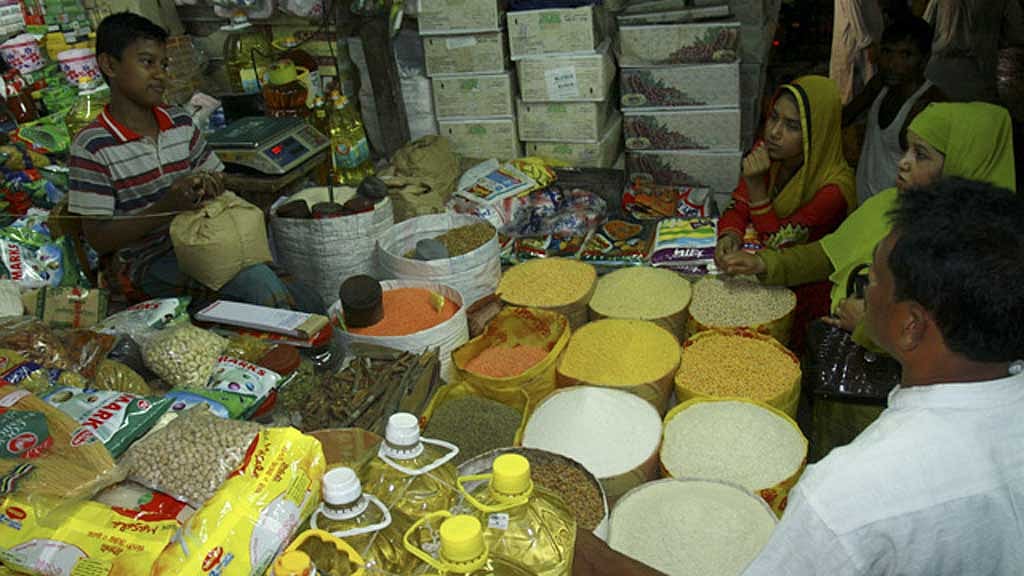
In the food sector, overall inflation rose to 8.29 percent in January from 7.71 percent in December, reflecting continued pressure from rising prices of essential food items.
By contrast, non-food inflation eased during the month. The rate in the non-food sector declined to 8.81 percent in January from 9.13 percent in December.
Inflation in rural areas rose to 8.63 percent in January, compared with 8.48 percent a month earlier.
Rural food inflation increased to 8.18 percent from 7.67 percent in December, while non-food inflation in rural areas edged down to 9.04 percent from 9.26 percent.
In urban areas, overall inflation increased slightly to 8.57 percent in January from 8.55 percent in December.
Urban food inflation climbed to 8.61 percent, up from 7.87 percent the previous month. However, non-food inflation in cities fell to 8.54 percent from 8.99 percent.
While rising inflation continues to squeeze the purchasing power of low-income earners, there was little relief on the income front. Against an overall inflation rate of 8.58 percent, the wage growth rate stood at 8.08 percent in November, indicating that incomes are not keeping pace with the rising cost of living.