Home
+
Published : 17 Nov 2024, 02:36 AM
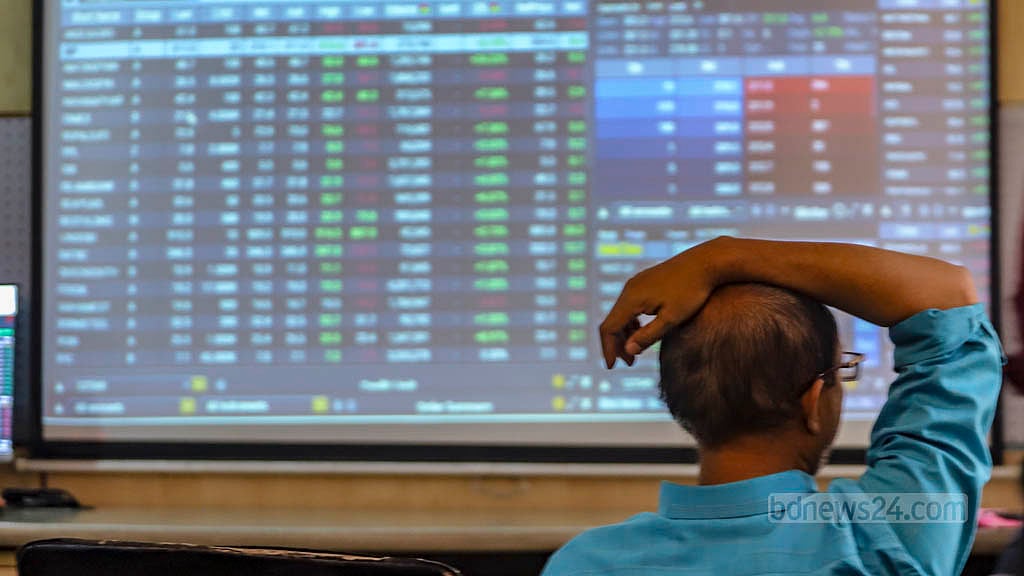
After witnessing a brief surge in the stock market following the fall of the government, investors are once again in turmoil. Their investments are locked, and the market value is dropping almost every day.
While some companies experience a rise in share prices, the majority are seeing values plummet by nearly half.
The cycle of volatility is relentless, with the index rising on one day only to fall for three consecutive days.
The scars of the 2010 stock market crash still linger, with investor trust at its lowest in nearly 15 years.
As the market continues to falter, the way forward remains unclear, and stakeholders are struggling to present a clear path to recovery.
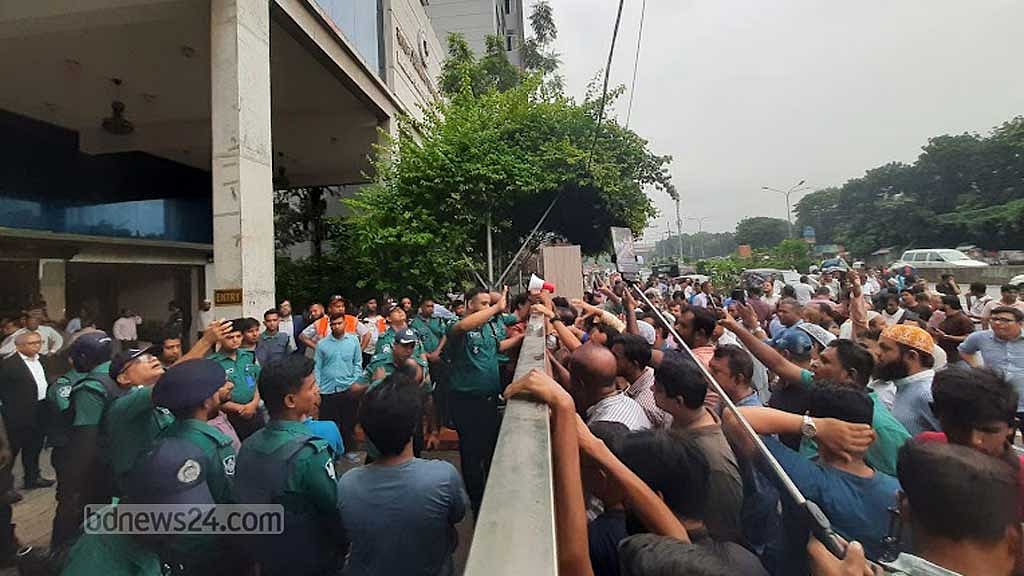
Amid the ongoing crisis, frustrated investors have resorted to protests and rallies, further eroding confidence in the stock market.
Since the interim government assumed power, the Securities and Exchange Commission, or SEC. has implemented several measures, but many have only heightened investor concerns, worsening the situation.
An investor, speaking to bdnews24.com on condition of anonymity, said: "The sudden decision to move 27 companies to the 'Z' category has hurt us deeply. While the companies may be responsible, we, as investors, are paying the price. My shares have lost up to 40 percent of their value for this."
He continued, "When decisions harm investors, the market is bound to decline. Prioritising investor protection is essential. Without it, no other measures will rebuild trust in the stock market."
Another investor Ranjan Das remarked, "Over the past few months under the new commission, certain shares have seen their values rise, but the reasons remain unclear. There’s a lot of speculation and gossip about it."
He also raised concerns about the task force formed to tackle the crisis, questioning the lack of clarity in their actions.
Prof Muhammad Shahadat Hossain Siddiquee from Dhaka University’s economics department proposed strengthening the regulatory body’s capacity and curbing the deceptive practices of listed companies as a way to address the crisis.
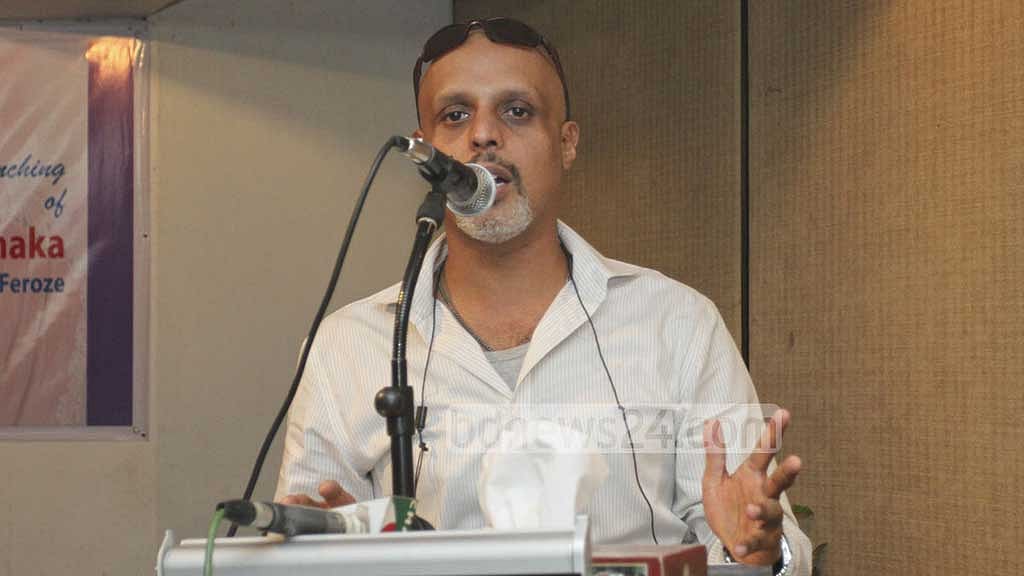
Saiful Islam, president of the DSE Brokers Association of Bangladesh, or DBA, called for visible government action.
"A separate committee should be formed to identify the irregularities in the stock market," he said.
For years, Bangladesh's stock market has grappled with recurring issues, including the dominance of individual investors who often disregard a company's financial health when buying shares. Their habit of purchasing during price surges and selling during declines has added to market instability.
Manipulation remains another significant concern, with no lasting solutions in sight. Despite years of discussions, these challenges have yet to be resolved.
The stock market has consistently lagged behind the country's economic growth.
Although the COVID-19 pandemic in 2020 dealt a severe blow, a strong recovery towards the year’s end briefly rekindled hope among investors.
However, since the onset of the Ukraine war in February 2022, the situation has worsened further. A combination of the dollar crisis, falling reserves, skyrocketing inflation, corporate losses, political instability, a change in government, soaring interest rates, and a downturn in investments has created a challenging economic environment, making the situation even more difficult for the stock market.
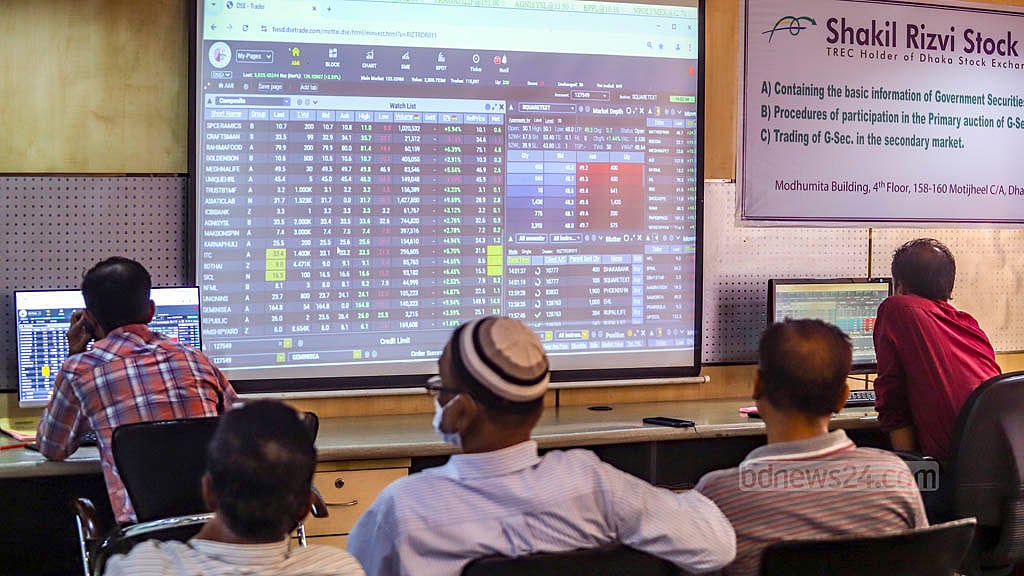
In the days ahead, the market will likely witness weak and struggling companies being portrayed as robust, raising hundreds of millions in capital, only to incur losses shortly after.
Similarly, some electricity companies were listed with premium valuations but failed to sustain their initial prices once trading began.
On the other hand, many fundamentally strong companies show profits that do not align with their business growth, but regulatory bodies have shown little interest in these issues.
HOPE TURNED TO DISAPPOINTMENT
After the major collapse in 2010, the stock market again became a topic of discussion in 2020.
At the beginning of the COVID-19 pandemic, as share prices were plummeting rapidly, the SEC set a minimum price for the shares of each company.
On May 17, 2020, Prof Shibli Rubayat Ul Islam of Dhaka University was appointed SEC's chairman.
After a three-month market shutdown, trading resumed with signs of recovery, though the rebound lacked balance. Shares of some general insurance companies skyrocketed, doubling, quadrupling, or even increasing tenfold, despite no corresponding growth in their business performance.
Similarly, many companies with weak fundamentals experienced the same, including Beximco Limited, whose share price soared from Tk 13 to Tk 195.
During this period, reports surfaced about a syndicate led by cooperative officer Abul Khair Hiru and his associates, who were fined for manipulating the shares of several companies.
From September 2020, the market, which had been adjusting, started to return to normal in early 2022.
However, by the end of February 2022, the market was once again affected by the Russian invasion of Ukraine, the country's reserve decline, the dollar crisis, and other factors.
The index stood at 7,089 points in early 2022. However, after the war in Ukraine began on February 22, the decline continued without pause.
Following the fall of the government on Aug 5, the index rose by nearly 800 points over four business days, leading investors to believe the market would be dynamic again.
The Dhaka Stock Exchange, or DSE, index stood at 5,229 points the day before the government's fall, although the market was closed that day.
By Aug 11, the index had climbed to 6,015 points.
However, this gain was short-lived. From Aug 14 onwards, the downward trend resumed and has persisted since.
After the fall of the government, the interim government took over, and the leadership of the SEC also changed. The new leadership took action against market manipulation, including imposing fines of nearly Tk 4.29 billion on nine investors involved in Beximco Limited's share trading manipulation.
Several companies were also investigated for inflated share prices, and those who declared dividends but did not distribute them were moved to the "Z" category.
Several major individual investors' bank and Beneficiary Owner's Accounts or BO accounts were frozen.
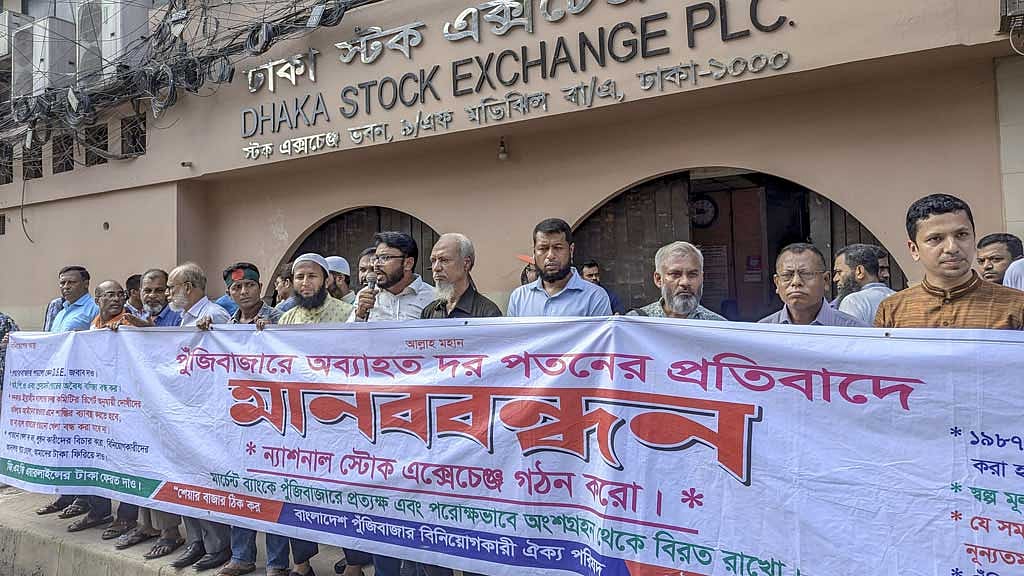
These measures, seen as targeting individual investors, have hurt the market, leading to widespread discussions. Investors have even staged protests demanding the resignation of the new SEC chairman.
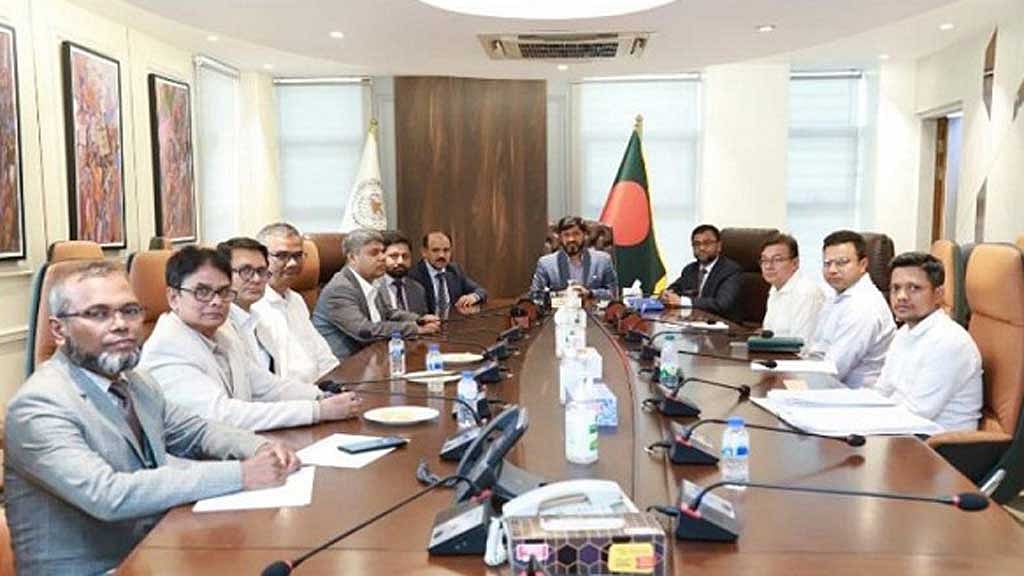
SEC's new boss Khondoker Rashed Maqsood did not respond to inquiries from bdnews24.com.
He did not answer calls, and messages sent via WhatsApp seeking his comments went unanswered.
As the continuous decline persists, trading volumes have plummeted, and the number of buy orders for shares has also decreased.
However, a few companies like Islami Bank, Brac Bank, Ibn Sina, British American Tobacco, and Grameenphone have seen their share prices rise, which helped increase the market index.
Despite this, the share prices of over 50 companies have dropped by 50 percent or more, leaving investors uncertain about how to recover their losses.
The ongoing drop in prices makes it hard to decide whether to lower the average price further.
In an attempt to investigate the reasons behind this prolonged market decline, SEC formed an investigation committee with a 10-business-day deadline on Oct 27.
However, even after 12 business days, the report has not been submitted.
Following a meeting with the SEC, Finance Advisor Saleh Uddin Ahmed announced that the government would reduce taxes on corporate profits.
However, given the current market conditions, only a few investors are making profits.
The task force formed to improve the stock market has not provided any updates on their progress. Meanwhile, the Ministry of Finance has written to the central bank, offering to provide a loan of Tk 30 billion, with the government acting as a guarantor for the repayment.
WHERE IS THE CRISIS?
One of the main reasons for the long-term crisis in the stock market is attributed to the weak fundamentals of most listed companies, according to DU Prof Shahadat.
He said after being listed, the financial condition of these companies has been deteriorating, which is unusual. These companies are not providing expected dividends, and when it comes time to distribute them, financial reports are manipulated, depriving investors.
"These tricks and stock price manipulations are not being promptly addressed by the regulatory body," he said.
It has also been observed that after listing, some companies have been shut down or sold without notice, with the owners selling their shares. However, they have not faced any legal action. Some companies, which were allowed to issue shares at a premium under the "good company" classification, are now incurring losses, while others are no longer in production or are failing to publish their financial reports.
No one keeps track of how many companies have taken hundreds or thousands of millions of taka, and it is impossible to know how much money has been blocked by investors buying shares at higher prices.
Professor Shahadat Hossain emphasised, "The regulatory body must have the capacity to address these manipulations and frauds. It needs to build trust with investors, ensuring that irregularities in listed companies are promptly and seriously addressed. Until this is done, no reform in the stock market will be effective."
WHEN WILL THE DROUGHT OF INSTITUTIONAL INVESTMENT END?
The lack of institutional investors in Bangladesh's stock market has frequently been a topic of discussion.
Institutional investors include asset management companies, mutual funds, pension funds, banks, merchant banks, and stock dealers at the DSE.
The Investment Corporation of Bangladesh, or ICB, is also considered an institutional investor, as are corporate investors.
The size of the mutual funds in the country exceeds Tk 150 billion, but the value of almost all these funds' units is below their nominal value.
Globally, mutual funds play a crucial role in stabilising stock markets, but the investment decisions made by asset managers in Bangladesh have not been ideal, and they are unable to receive regular dividends.
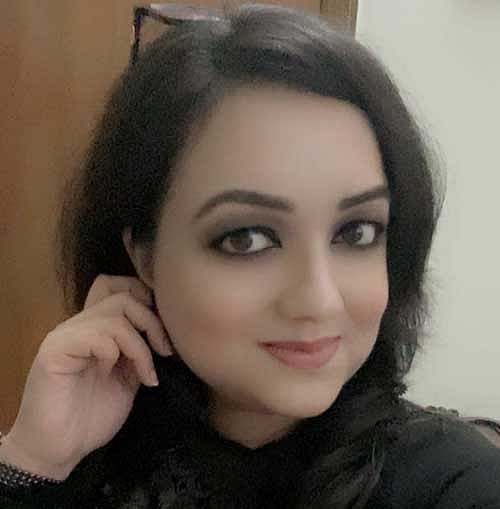
Majeda Khatun, the president of the Bangladesh Merchant Bankers Association, or BMBA, believes that the low participation of institutional investors is a significant reason for the weakness of the stock market, and conversely, the weak market cannot attract institutional investments.
Majeda, also the CEO of ICB Capital Management, told bdnews24.com: "Welfare funds, gratuity funds, and pension funds will never take risks that could lead to capital loss. Our market lacks derivative products. The mutual fund and bond markets have not developed."
She continued, "These areas have not received sufficient attention. If the stock market were considered a core part of the economy, institutional investors would have been offered benefits. How will they develop if there are no policy advantages and products? We need to provide them with the right path to invest."
'THE PAIN IS TOO MUCH TO LOOK AT MY PORTFOLIO,' SAYS AKHTARUZZAMAN
Akhtaruzzaman has stopped monitoring his portfolio after suffering continuous losses in the stock market.
He told bdnews24.com, "I earned money with great effort, but now I don't even know how much I have lost from my Tk 20 million investment. I don't even want to check, as it only adds to my pain."
Another investor Mizanur Rahman Mintu stressed the importance of timely detection of insider trading and manipulation.
"The authorities must keep a constant watch on the market and immediately arrest anyone caught indulging in underhanded activities. Fines will not help," he said.
DSE president Saiful listed brokerage organisation, believes that investor trust and transparency are essential for the market's functioning.
He told bdnews24.com, "The government must send a clear message to investors. If the message comes from a responsible position, investors will regain their trust. To maintain that trust, stakeholders, including the regulatory authorities, need to work together to restore the market."
He also raised concerns over irregularities in company listings in the past 15 years, saying, "Millions of investors have been harmed by these issues. Therefore, the government should form an independent investigation committee to look into the overall market situation."
Former DSE chairman Yunusur Rahman said, "The market cannot progress due to a lack of trust. To regain this trust, there needs to be balanced leadership at every level of the market. Some laws, rules, and practices must change."
Mohammad Rezaul Karim, executive director and spokesperson of the SEC, told bdnews24.com: "The current commission will not interfere in routine market activities. The market will function as it does. Our only role is to monitor if any wrongdoing is happening. If we detect insider trading or stock market gambling, we will act swiftly according to the law."
[Writing in English by Arshi Fatiha Quazi]