Published : 21 Oct 2025, 05:35 PM
Updated : 21 Aug 2026, 02:37 PM


Fresh Anonna Sanitary Napkin, a flagship brand of Meghna Group of Industries, has teamed up with the University of Dhaka’s Department of Women and Gender Studies (WGS) to promote menstrual health awareness on campus.
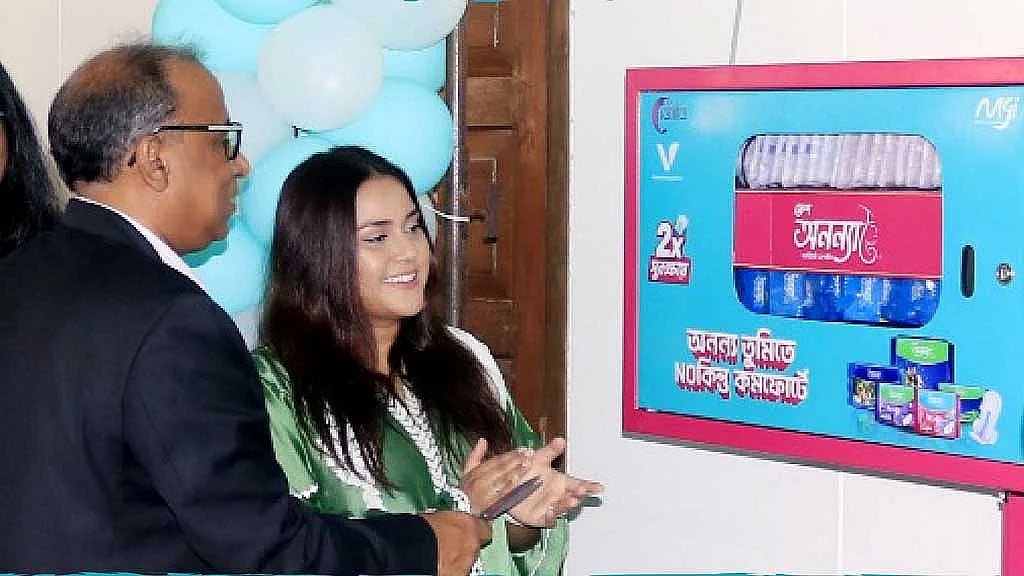
As part of the initiative, Fresh Anonna installed sanitary napkin vending machines at Dhaka University and co-hosted a seminar titled “Menstrual Hygiene and Health Awareness Program” at the Professor Muzaffar Ahmed Chowdhury Auditorium.
The collaboration aims to link learning with social change and encourage open discussions about menstruation -- an issue that remains taboo in many parts of society.
Chairperson and Associate Prof Dr Sabiha Yeasmin Rosy and Prof Dr Sanzida Akhter from the WGS Department said the most basic aspect of women’s health continues to be shrouded in stigma despite social progress.
They thanked Fresh Anonna for taking practical steps to support women’s wellbeing and spark positive cultural shifts.
Dr Mohammad Siddiqur Rahman Khan, dean of the Faculty of Arts, called for stronger family dialogue and more openness around menstruation.
“Women are a gift and great contributors to building society,” he said, adding that such conversations can help replace stigma with understanding and dignity.
Barrister Tasnim Mostafa, director of Meghna Group of Industries, said Fresh Anonna was built on two core objectives -- to serve real-life needs and to contribute to positive social change, especially in women’s health.
“One brand alone cannot bring about all the change that’s needed,” she said.
“Institutions, systems and culture must evolve together. A healthy woman is an empowered woman.”
The programme also featured a menstrual hygiene session led by Dr Tajkiatul Islam Mohua and a mental health session by Dr Rubaiyet Ferdous, followed by an interactive Q&A and distribution of complimentary sanitary napkins.
Students were invited to participate in a mini-essay competition proposing practical ways to break menstrual taboos and raise hygiene awareness.
A 2025 national study published in the Reproductive Health Journal found that only 28.6 percent of adolescent girls in Bangladesh practice good menstrual hygiene, highlighting the urgent need for awareness, access and cultural openness.
Through university partnerships, awareness drives and vending solutions, the brand says it aims to ensure no girl or woman misses a day of school or work because of her period.