Published : 02 Aug 2025, 07:46 AM
Updated : 28 Aug 2026, 01:24 AM


Bangladeshi trade analysts have raised concerns that the recent tariff relief from the United States may offer only “temporary” breathing space, as broader risks for the country’s export sector continue to mount.
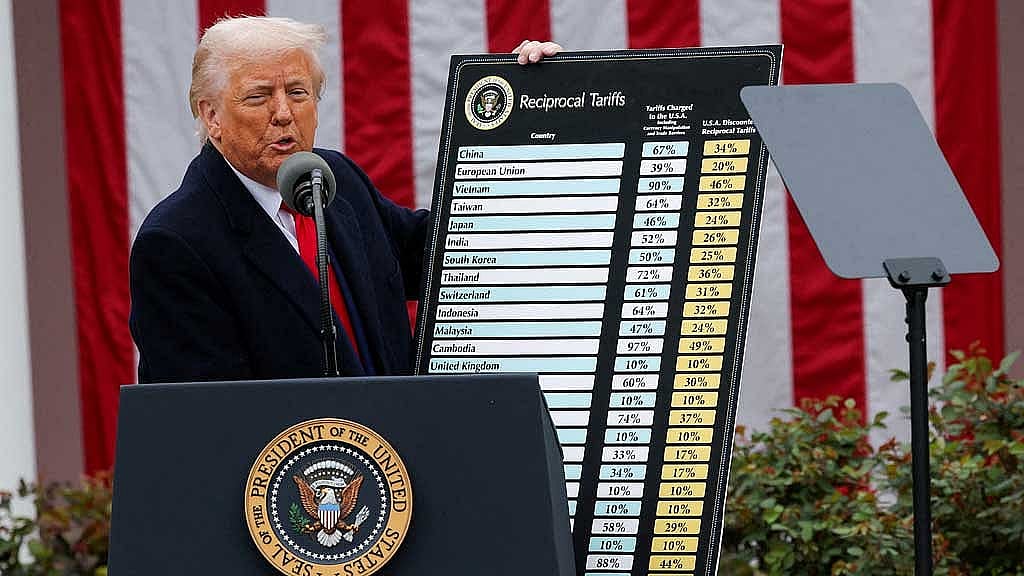
The US, following three months of negotiation, reduced supplementary tariffs on Bangladeshi goods from 35 percent to 20 percent.
Despite the reduction, the effective tariff now stands at around 35 percent, factoring in the existing average import duty of 15 percent previously applied to Bangladeshi products.
At the same time, the Donald Trump administration imposed fresh supplementary tariffs on several regional competitors -- 25 percent on India, 19 percent on Pakistan, Indonesia and Cambodia, and 20 percent on Vietnam.
Several analysts described the move as a short-term relief for Bangladesh but warned that future US policies could again tighten.
They urged Dhaka to rethink its export dependency on a narrow range of products and limited destinations, particularly the US market.
Broadening market access and reducing single-sector reliance, they argued, would help absorb future external shocks.
The deal with Washington, they noted, should also prompt calculations on how such bilateral arrangements might affect trade relations with other countries.
They advised using Bangladesh’s “strategic geographical location” in negotiations to secure better terms globally.
Zahid Hussain, former lead economist at the World Bank’s Dhaka office, said the US decision reflects its effort to reduce the trade imbalance with Bangladesh.
But he warned that the conditions tied to the tariff relief -- especially those related to labour standards and transparency in the apparel sector -- could resurface as pressure points in future.
“Bangladesh is still largely reliant on a single export item. Diversifying the export basket is crucial for long-term gains. To achieve that, more effective economic diplomacy is needed,” he told bdnews24.com.
Selim Raihan, executive director at SANEM and economics professor at Dhaka University, said the recent tariff episode offers “important lessons” for Bangladesh.
“The news of tariff relief is positive, but it is not a moment for complacency. This is both an opportunity and a warning,” he said.
He stressed the need for Bangladesh to immediately adopt a resilient and competitive trade strategy.
“This experience should serve as a valuable lesson. The country’s external trade structure must be made more stable and shock-tolerant,” he said.
Raihan urged the interim government to push harder for export diversification and access to new markets.
He warned that a narrow, product-based export model and over-reliance on a few destinations -- particularly the US -- would expose the economy to “unnecessary” risk.
“Reforms in trade, taxation and investment policy are necessary to enhance competitiveness and attract long-term foreign investment,” the professor said.
He also recommended that Bangladesh explore targeted free trade agreements with emerging economies in Asia, Africa and Latin America.
Such deals, he argued, could provide insulation from future protectionist pressures and open up alternative export routes.
While describing the tariff cut as a “positive” development, Raihan pointed out that it helped “reduce” the immediate threat of disruption in the apparel sector’s exports.
He also raised the question of what Bangladesh may have agreed to in exchange for the tariff concession. “Although this waiver offers short-term relief, it raises the issue of what Bangladesh had to give up.
“It is reasonable to assume that some sensitive commitments may have been made under confidentiality agreements, which are unlikely to be disclosed in the near future.”
Raihan said this underlines the growing need for more transparency, oversight and long-term strategic planning in Bangladesh’s trade diplomacy.