Home
+

Published : 26 Sep 2024, 02:18 AM
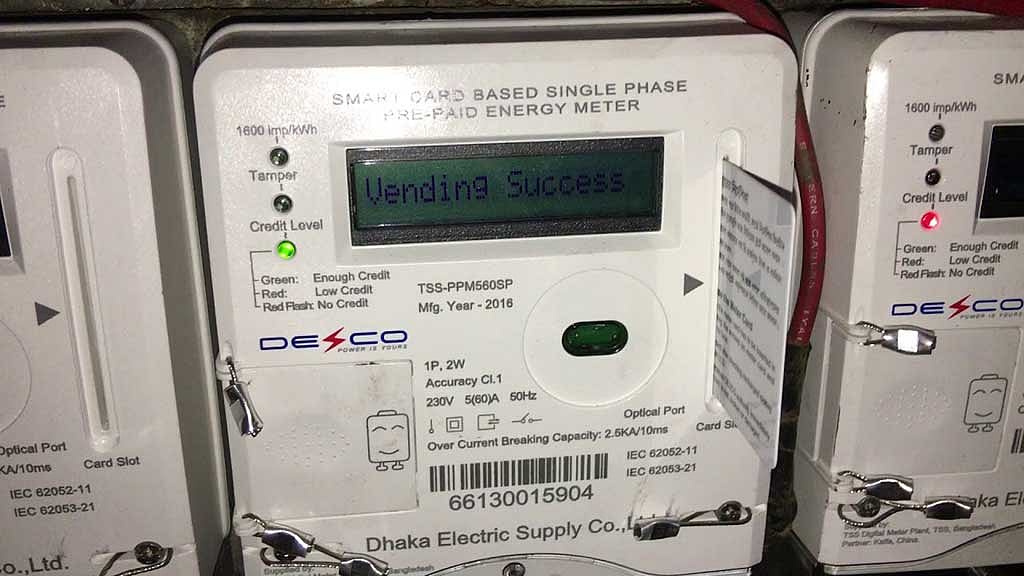
Monirul Islam recharged Tk 3,000 on his construction-class prepaid meter in May. Upon checking his receipt, he was startled to find that his energy balance was only Tk 333.55.
Confused, Monirul called the hotline of Dhaka Electric Supply Company Limited, or DESCO, but was far from happy with the explanation provided.
"Initially, I had a low-capacity electricity meter installed, but it could not handle the load,” Monirul said, speaking to bdnews24.com. “On DESCO’s advice, I switched to a 7-kilowatt meter.”
He added, “Then, after topping up Tk 3,000, I received only Tk 333.55. They [DESCO] did not explain clearly what was what—I could not understand anything.”
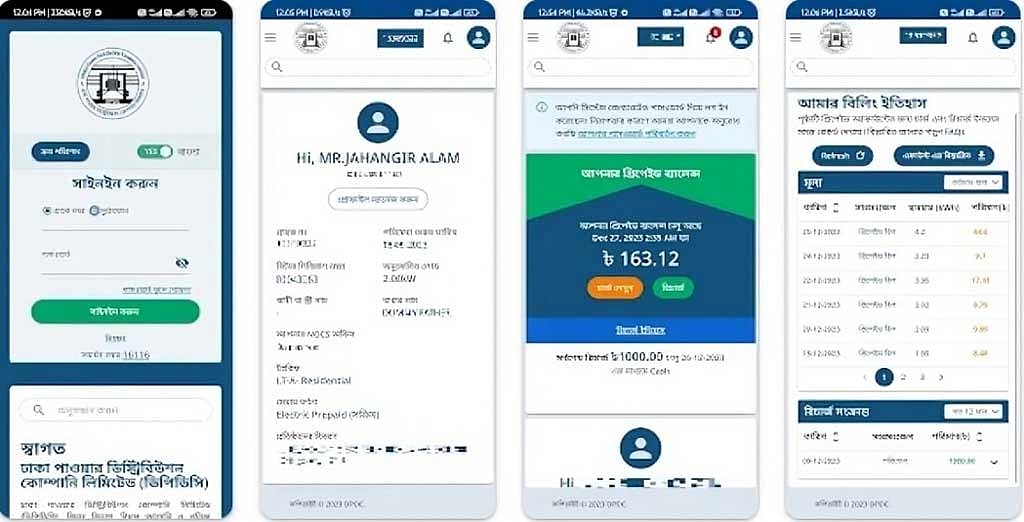
According to DESCO's portal, Monirul recharged Tk 3,000 on May 2. Before this, he had recharged the same amount on Mar 15 but had not recharged in April.
Therefore, by May, Tk 1,680 was deducted for two months' demand charges, with Tk 857 removed for the previous month's bill and other expenses. An additional Tk 142 was deducted as VAT at a rate of 5 percent. He received a rebate of only Tk 14.21.
After all deductions, he was left with an energy balance of Tk 333.55.
|
WHAT IS DEMAND CHARGE When a customer applies for a meter, they must set a maximum load limit for electricity usage. The distribution company is required to supply the necessary equipment, materials, infrastructure, and maintenance based on the customer's demand. The Energy Regulatory Commission determines how much the company can charge per kW load. The distribution company collects demand charges every month by multiplying the maximum load by this rate. For low-voltage construction category users, the demand charge is Tk 120 per kW. Since Monirul uses a 7 kW meter, he is required to pay Tk 840 (7×120) each month as a demand charge. |
A representative from DESCO’s customer care service in Pallabi said, "If the load is increased, or if there are any unpaid dues from previous months, they are adjusted and deducted from the balance.
IS THE ELECTRICITY BILL HAUNTED
Mirpur's Pallabi resident Zahid Uddin received a bill of Tk 1,020 for 110 units of electricity used in March.
However, with the rise in temperature in April, his electricity usage doubled, resulting in a bill of Tk 1,672 for 206 units.
The shock came in May when he was billed Tk 8,179 for consuming 747 units between Apr 7 and May 9 on the same meter.
Zahid’s household, which includes six members, operates two 1.5-tonne air conditioners, a refrigerator, and three ceiling fans.
Zahid felt the charges were excessively high. Upon receiving complaints, a technical team from DESCO inspected his meter and concluded there was no technical fault.
They suggested the increased usage of air conditioning and other electrical appliances during the hot weather was the likely reason for the spike in his bill. In addition, they warned that tampering with the meter or connecting unauthorised electrical lines could also lead to inflated bills.
Given that the meter showed no technical issues, DESCO concluded that the bill reflected actual electricity consumption.
From April to mid-June, Bangladesh experienced a rise in temperatures, resulting in higher electricity demand.
According to the Power Grid Company of Bangladesh, or PCGB, the peak demand for electricity was 14,000 MW on Mar 30, with load shedding of nearly 1,000 MW.
On Apr 15, demand remained around 14,000 MW, with production close to 13,900 MW. By Apr 30, demand surged to 17,000 MW, while production reached about 16,400 MW.
On May 15, peak demand was recorded at 16,100 MW, with production around 15,600 MW.
However, by May 30, demand decreased to 14,500 MW, with electricity generation meeting this demand closely.
Throughout the rest of the hot months, demand fluctuated between 14,000 and 15,000 MW.
It has been reported that the average daily electricity generation in Bangladesh is around 13,000 to 14,000 MW. During the three months when customers across various regions received bills two to three times higher than usual, the average electricity production in the country exceeded 30 percent.
Zelhaj Uddin, executive engineer of DESCO's Pallabi Sales and Distribution Division, told bdnews24.com: “During intense heat, people tend to use more air conditioning for relief. Now, many are astonished to see high bills. The increased use of air conditioning leads to higher consumption. Still, if anyone raises doubts or objections, we will visit their homes to check the meter reading.”
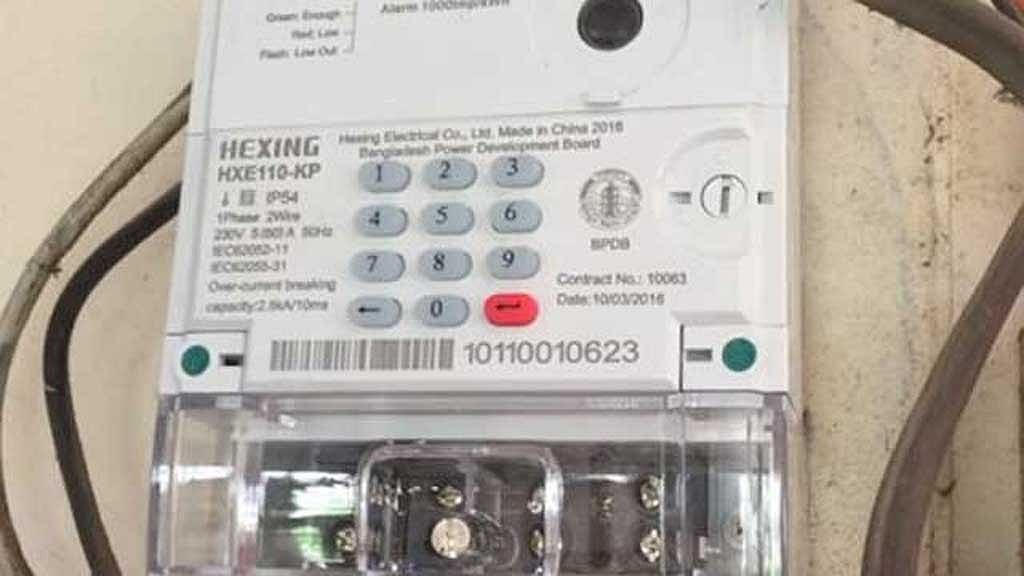
Similar complaints about 'ghostly' electricity bills have spread across various areas of Dhaka on social media. Even users of prepaid meters, who believed in accurate billing, have reported experiencing bills two to three times higher than normal.
A prepaid meter user on Lake Circus Road said they received no SMS or paper bill from the Dhaka Power Distribution Company, or DPDC, from April to June.
During that period, they voluntarily paid Tk 5,000 for electricity, but on Jul 7, they received an SMS indicating an outstanding balance of Tk 3,500.
“How did we end up with a total bill of Tk 8,000 over these three months, when we usually spend Tk 1,500 to Tk 2,000 monthly? Who is responsible for this irregularity?” said DPDC customer Tanuja Akbar.
A representative of DPDC told bdnews24.com that Tanuja had not received bill information via SMS during those three months on the mobile number registered with the electricity office. Instead, the notifications were mistakenly sent to the number of a previous tenant. Upon realizing this, the DPDC deleted the old number from their records to avoid future issues.
While it is standard for connections to be automatically disconnected for outstanding amounts of Tk 100 or three days overdue, questions arose regarding why her connection was not severed despite showing Tk 3,000 in arrears.
In response, a DPDC representative said, “When bills are overdue, the line will disconnect automatically, but that can happen at any time.”
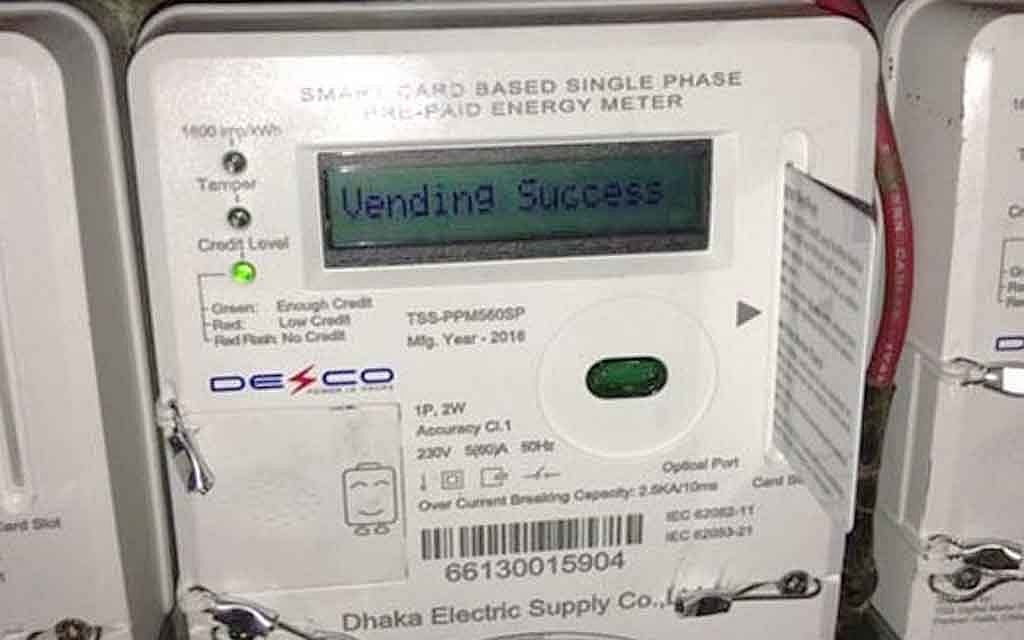
At a regional DESCO office in Gulshan, a prepaid customer expressed frustration after failing to receive a reading from their meter despite recharging their card. They were instructed to replace the faulty card online, which took nearly three hours to resolve.
SM Shah Sultan, chief engineer of the office, told bdnews24.com: “The number of complaints regarding bills increases during the hot season. Often, when we send personnel for checks, customers are satisfied with the explanations given. In 99 percent of cases, we find no irregularities.”
He added, “This season, there has been a slight increase in bills due to higher slab rates. The intensity of the heat has led to significant electricity consumption. Overall, bills have gone up. Still, if we receive reports of irregularities, we send someone to check the meters and find no such issues.”
COMPLAINTS REACH THE COURT
On Jun 12, a High Court bench comprising Justice Mustafa Zaman Islam and Justice SM Masud Hossain Dolon directed the formation of an expert committee to investigate the numerous complaints from customers regarding prepaid meters.
Since then, the electricity department has become more attentive to the issue.
When contacted regarding the complaints, Power Secretary Habibur Rahman said: "Following the High Court order, we have formed a committee. The committee will prepare a report for the court regarding the complaints. However, from our side, we do not yet anticipate any irregularities with the billing.”
He added, “The committee will thoroughly investigate to determine whether any technical faults exist. We hope they will prepare the report promptly.”
WHY THE HIGH BILLS
When asked about the sudden surge in customer bills, DPDC Managing Director Abdullah Noman told bdnews24.com: "We do receive some complaints. Customers often misunderstand the situation, and we clarify it for them. While a few of the complaints are valid, we resolve those promptly.”
He added, "The issue is that, with the summer season and changes in electricity tariffs, the bills have increased slightly compared to before. Consumers sometimes perceive this as a mistake. Once we explain it to them, they understand."
When asked about the significant difference in bills for April, May, and June (rising from Tk 2,000 to Tk 8,000), he said: "Higher electricity usage pushes the bill to higher slabs, making it seem unusually high to the customer. But the bill is accurate."
Noman said if bills are adjusted from one month to the next, the subsequent billing can shift to a higher tier, raising the cost per unit.
He added that complaints primarily concern prepaid meters, with occasional discrepancies in postpaid cases.
DESCO Executive Director (Operations) Zakir Hossain said, “During the summer, customers use fans, ACs, air coolers, and everything at once. This heavy usage has caused higher bills, which has made customers anxious.”
On Feb 29, a new electricity tariff was set with an 8.5 percent increase in retail prices, effective from February.
Earlier, on Feb 28, 2023, the price of electricity was raised by up to 5 percent. However, over a year, the demand charge has increased by up to 20 percent.