Home
+
Published : 28 Jan 2013, 07:08 AM
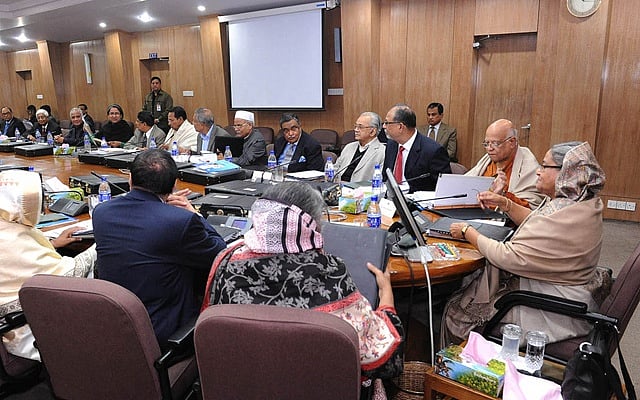
The Cabinet on Monday approved the draft extradition treaty with India, which would allow transferring criminals and convicts between the two neighbours.
The approval followed a regular meeting of the Cabinet presided over by Prime Minister Sheikh Hasina.
Later, Cabinet Secretary Mohammad Mosharraf Hossain Bhuiyan told reporters that the treaty would allow transfer of the convicted and under-trial criminals. “But it will not be applicable in case of political prisoners.”
Bangladesh and India are expected to sign the treaty later in the day. Indian Home Minister Sushilkumar Shinde has already arrived in Dhaka on a two-day visit early Monday.
Bangladesh Home officials say Shinde will meet his counterpart Muhiuddin Khan Alamngir for a high-level meeting at around 3pm. Later the extradition treay and the one to liberalise the bilateral visa regime will be signed around 4:30pm.
The Indian cabinet on Thursday has already approved the treaty. Once signed, the extradition treaty would pave the way for deportation of jailed ULFA 'general secretary' Anup Chetia and any other insurgent from India's troubled northeast who may be nabbed in Bangladesh.
Similarly, it will also help Dhaka in getting back criminals from Bangladesh currently lodged in Indian jails.
The announcement on the agreements came during Bangladesh Home Minister’s visit to India in the first week of December last year.
It was then agreed to sign both the Revised Travel Agreement as well as Extradition treaty during Shinde's visit to Dhaka in January.
India has been pressing for Chetia's deportation for a while. The ULFA leader has been in a Dhaka jail since his arrest in 1997 on several charges.
The treaty will give Bangladesh the opportunity to bring back notorious criminals like Subrata Bain and Sazzad Hossain who have now been arrested in India.
Bain was arrested recently in Kolkata and Hossain earlier in Amritsar (Punjab). Both stand accused in a large number of cases in Bangladesh.