Published : 14 Jun 2026, 08:00 PM
Updated : 08 Sep 2026, 09:15 AM


The High Court has accepted the appeal of two convicts sentenced to death for the rape and murder of 8-year-old Ramisa Akter in Dhaka's Pallabi.
A bench headed by Justice Mohammad Ali accepted the appeal from convicts Sohel Rana and his wife Swapna Akter on Sunday.
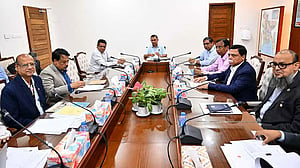
Meanwhile, Attorney General Ruhul Quddus Kazal said that the state wants to complete the appeal process as soon as possible and see the verdict implemented.
He was one of the lawyers who represented the state at the hearing on Sunday. On Thursday, Sohel and Swapna had petitioned for their death sentences to be appealed through the prison authorities.
Attorney General Kazal said in his office after the hearing, "They will send the order to the (court) section. We expect that after it is sent, the preparation work for the death penalty reference hearing in the Ramisa murder case will have progressed quite far, and the paper book will be ready."
Explaining why the paper book was not completed within the two working days expected, he said: “The appeal has been granted and that appeal will be heard with reference to the death penalty. But it did not happen in the two working days that were expected.
“This is because a person sentenced to death has seven days to appeal from prison. They have to give them that time as a legal obligation.”
Regarding Sohel’s appeal, the attorney general said: “The prime convict stated as the grounds for the appeal – ‘I was financially insolvent, I worked as a mechanic in an auto-rickshaw garage, I was regularly addicted to yaba, or drugs. Due to my addiction, there were often quarrels and disputes in the family. The incident that happened to the victim in this case happened while I was addicted to drugs and in a state of intoxication. The incident happened completely unintentionally and unconsciously due to my financial strain, family unrest, and drug addiction. I do not understand how this incident happened. I have no one to support my only son's education and family. I made a mistake, I apologise.'"
Highlighting the legal aspect of the matter, Kazal said, "The reason he presented for his appeal from jail is, in a way, an admission of guilt. He noted a few things, like family unrest and drug addiction.
"Many people take these matters into consideration when filing an appeal. However, whether the lower court gave its verdict based on proper evidence or not will be considered in the final judgment."
Regarding Swapna's appeal, Kazal, the state’s chief law officer, said: "Swapna has said - 'I am not involved in any way in the relevant incident. I have been wrongly implicated. Therefore, I appeal to the honourable High Court for acquittal.'"
Regarding the legal process and constitutional protection of the accused, the attorney general said: "The state has the responsibility to provide legal assistance to a person sentenced to death. Whatever rights he has in the legal process, he will be given.
"The right to a speedy trial, which is part of our Constitution, is a fundamental right of each person. We are conducting our activities according to the time limit set by the law, there is no need to rush here."
Expressing the state's position on giving equal importance to all cases, he said: "We, on behalf of the state, will be as serious as necessary in any case. Every case is important to us.
"Those who have been in the condemnation cell for a long time also have the right to a speedy trial. The sooner the settlement is reached, the sooner the final decision will come—either punishment or acquittal. This applies to everyone."