Home
+
Published : 22 Jan 2025, 01:14 AM
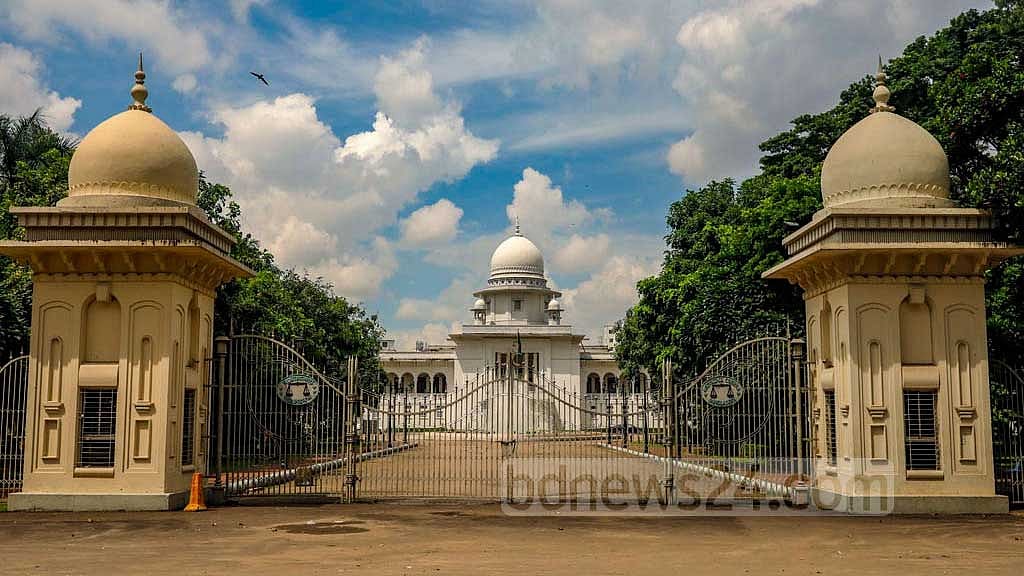
The interim government has promulgated an ordinance to appoint judges to the Supreme Court through an independent council, removing the direct control of the executive branch in the process.
The “Supreme Court Judges Appointment Ordinance, 2025” stipulates the formation of a permanent council named the “Supreme Judicial Appointment Council”, tasked with selecting and recommending suitable candidates for judicial positions.
The chief justice will serve as the chair of the seven-strong council.
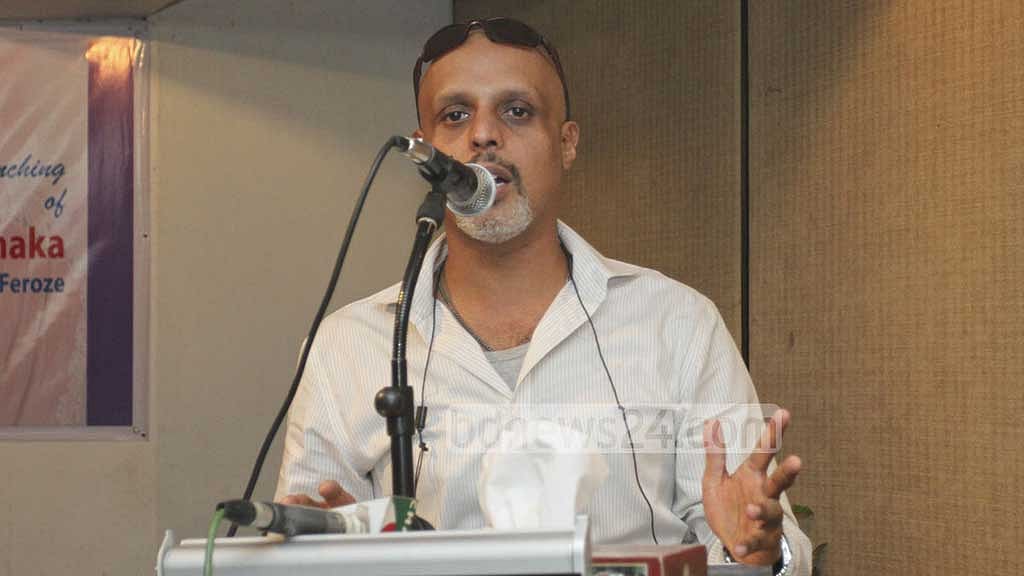
At a press conference on Tuesday, Law Advisor Asif Nazrul said: “We are very pleased to inform you that this law has been enacted.”
The advisor added that separate drafts had been submitted by the Chief Justice’s Office and the Judiciary Reform Commission during the law’s preparation.
Nazrul said, “In 2008, there was an attempt to draft such an ordinance, and we have reviewed its copy and all related materials. Many of you, along with relevant civil society members and stakeholders, were also present.
“We held a large meeting and also consulted individually with many experts, including former judges, legal experts, and professors of law.
“We have tried our best to create a sound law."
The council will comprise the senior-most judges from both the Appellate Division and the High Court Division, one retired judge from the Appellate Division nominated by the chairperson, the attorney general, and one law professor or legal expert selected by the chair.
Supreme Court’s registrar general will serve as the secretary of the council.
The ordinance specifies that the chief justice will convene meetings to determine the number of judges needed at the request of the president.
Advisor Nazrul detailed the process of the top court appointments.
He said, "The council will first conduct an initial review. They will gather names on their own initiative while allowing anyone, including lawyers, to apply voluntarily."
"If someone believes a lawyer would make a good judge, they can propose the name by sending a letter. This option remains open. At the same time, the council will independently seek suitable candidates to ensure the appointment of competent judges.
“After the council's preliminary review, candidates will be interviewed.”
Nazrul emphasised that judges will be appointed through a transparent and accountable process.
The advisor criticised the ousted Awami League government, alleging extreme misconduct, severe human rights violations, and widespread oppression.
He claimed that the High Court was used as a key platform for such actions.
"People did not get justice there, even after severe human rights violations; and the reason for this was that political governments appointed incompetent individuals as judges in the High Court based entirely on party considerations.
"If competent and impartial judges are not appointed, human rights issues of Bangladesh’s 170 million people remain unresolved and at risk.”
Nazrul continued, “The selection process will now be transparent. Skilled, experienced and truly competent people will be appointed as judges.
“This demand has been raised for many years by political parties, human rights organisations, and civil society groups."
He added that that higher judiciary takes the initiative, the next judicial appointments to the High Court within the next three months could be made through this council.