Published : 17 Nov 2025, 08:05 AM
Updated : 28 Aug 2026, 01:29 AM


Dhaka is on edge as security forces tighten their grip on the capital amid a surge in arson attacks and crude bomb blasts ahead of the verdict in Sheikh Hasina’s trial over crimes against humanity linked to the July uprising.
The International Crimes Tribunal is set to pronounce the verdict on Monday.
In recent days, the city has been rocked by a rash of small but unnerving attacks. On Sunday, the first workday of the week, a crude bomb exploded in Eskaton, injuring a passer-by. Through the evening, further blasts were reported in Karwan Bazar, Jurain and Banglamotor.
Police confirmed twin hand-bomb explosions outside the home of the interim government's Advisor Syeda Rizwana Hasan.
A wave of bus arson has accompanied the bombings, with vehicles set ablaze across Dhaka, Savar and Keraniganj from late Saturday into Sunday night.
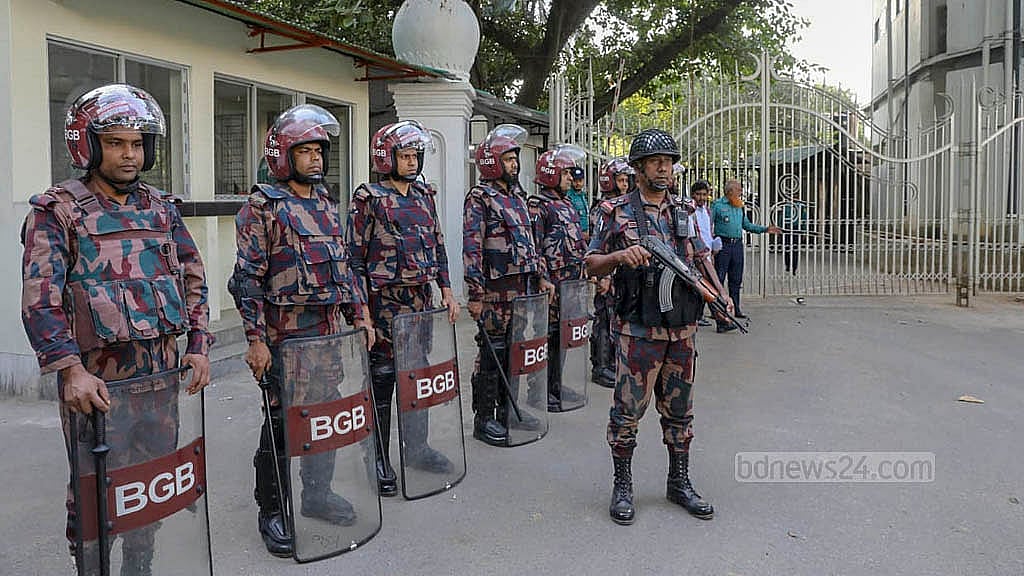
Amid this backdrop, authorities have moved to lock down key parts of the capital. Border Guard Bangladesh (BGB) has been deployed alongside police, who have set up checkpoints, searched vehicles and rounded up suspects.
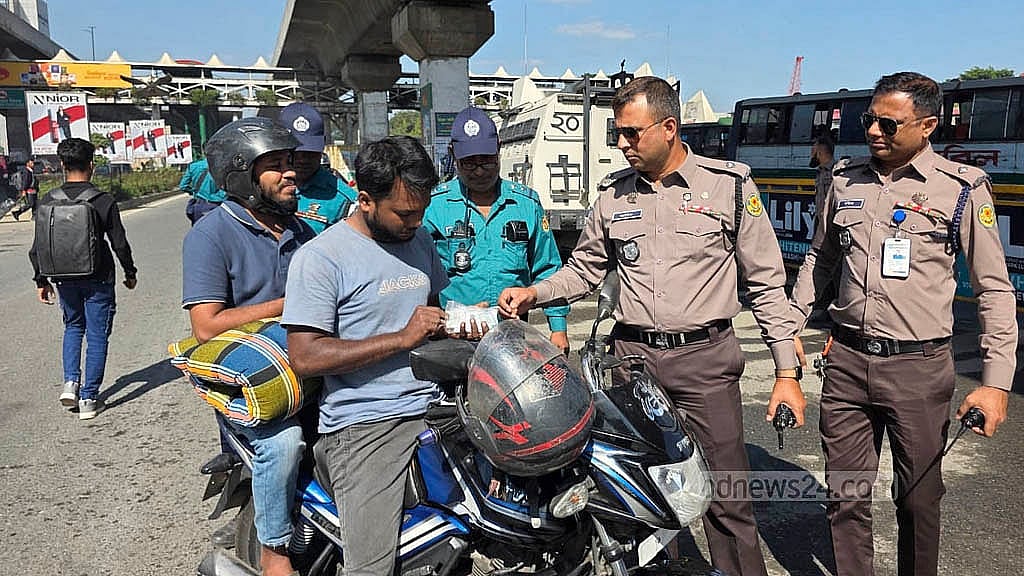
The army, out of the barracks since Hasina was toppled by a student-led uprising in August last year, remains on the streets in support of civil authorities.
In a stark escalation, Dhaka Metropolitan Police Commissioner Sheikh Mohammad Sazzat Ali on Sunday issued what amounts to a shoot-on-sight order, directing officers over wireless to open fire on anyone caught torching buses or hurling crude bombs.
Police say the instruction is grounded in provisions of the Penal Code relating to the right of private defence.
Security at the tribunal complex in Dhaka has been significantly reinforced. BGB and police have been posted at all entry points. Lawyers, journalists and staff are being allowed in only on presentation of identification. More than 340 police and APBn personnel are currently deployed there, with further reinforcements sought for Monday.
The political backdrop is no less fraught.
The Awami League, whose activities have been banned, has continued to enforce protest programmes ahead of the verdict.
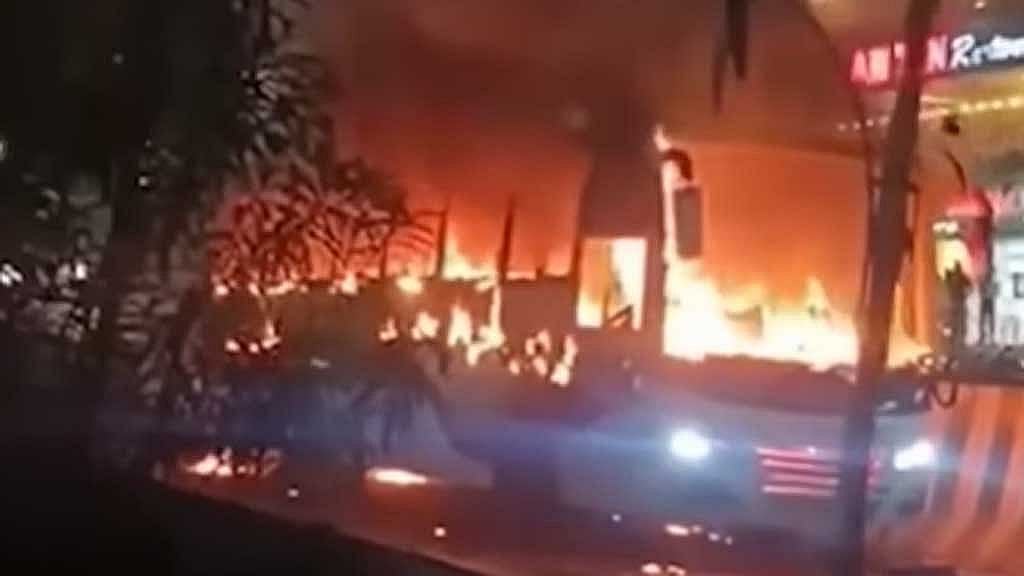
It has called a two-day “complete shutdown” from Sunday, following a “Dhaka lockdown” it enforced from Nov 10 to 13. Violence has typically spiked around such calls, spreading from the capital to surrounding districts.
The trial against Hasina and her co-accused opened on Jul 10 on five counts, including instigating and directing the killing of 1,400 people during the July 2024 movement.
Hasina left office on Aug 5 last year and moved to India and Asaduzzaman is also believed to be there. The proceedings have gone ahead in their absence, with prosecutors seeking the maximum punishment for both fugitives.
Daily life in Dhaka is now being rearranged around security fears.
Schools and universities have announced that classes will be conducted online. Many private and non-government institutions, including multinational companies, have instructed staff to work from home.
The normally gridlocked capital is thinner on traffic, but thicker with apprehension. Despite the heavy deployment of police, BGB and army personnel, and the hardening of rules of engagement, residents remain anxious that the violence could intensify as the tribunal prepares to speak.