Published : 16 Apr 2026, 07:22 AM
Updated : 21 Aug 2026, 03:36 PM


Track Record: Ghosts at the Gate
Anatomy of a “death trap”: Most level crossings remain unauthorised, unmonitored and structurally flawed. With only 20–25 percent properly staffed, safety depends largely on chance rather than system design.
Fragile human system: Informal absenteeism and weak oversight undermine operations. The Cumilla case exposed a “substitute” culture where official duties are informally reassigned, often leaving crossings unmanned.
Technological inertia: Bangladesh continues to rely on a human-centric model. Experts argue that diverting just 2 percent of railway investment to automation and signalling could prevent a large share of fatalities.
Governance gap: Coordination failures between railway authorities and local bodies have enabled 1,321 illegal crossings to emerge without proper safety infrastructure.
Accountability mismatch: Investigations often focus on lower-level staff while overlooking systemic design flaws, including unsafe gradients and warning systems that fail to provide adequate pre-train alerts.
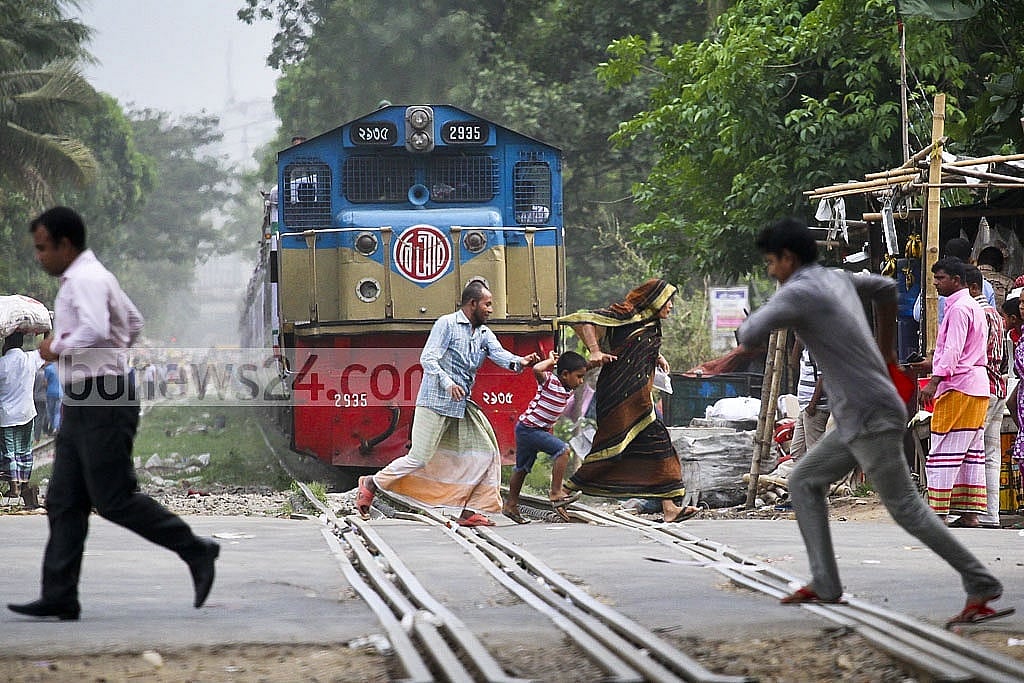
The train does not slow. The barrier does not fall. And in that brief, unguarded moment where road meets rail, lives are lost. A single misjudgement can be irreversible.
Level crossings across Bangladesh have become points of quiet, recurring catastrophe — where eroded safeguards fail with grim regularity.
Across the country’s rail network, most level crossings remain unprotected, with systems that are incomplete, under-supervised and, in many cases, never formally approved.
These gaps have turned crossings into what experts describe as recurring “death traps”.
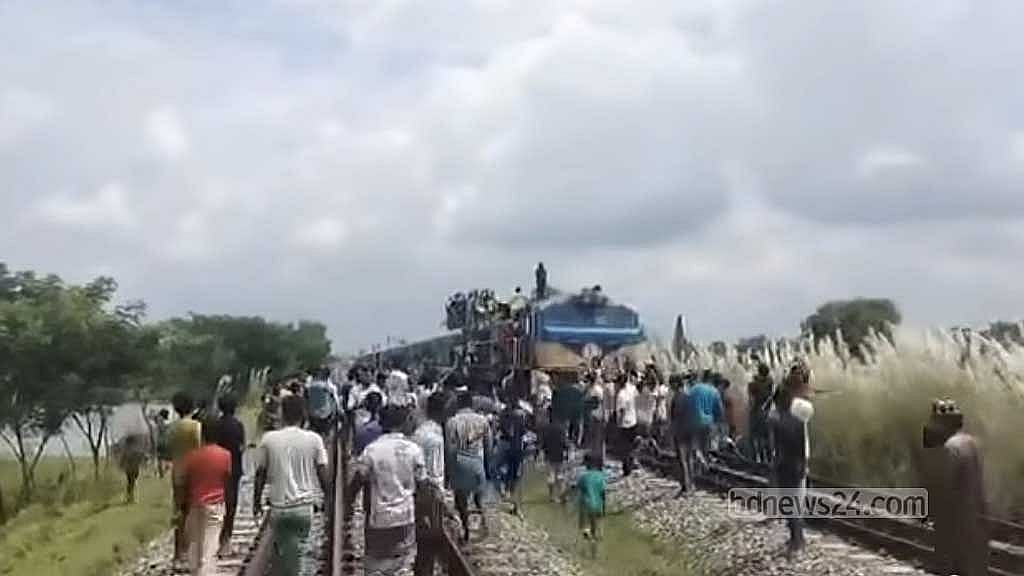
A System Built on Fragility
The vulnerability begins with legality. A significant share of crossings across the country were never officially authorised by Bangladesh Railway.
Many were built informally as local roads expanded, often at the request of communities or local authorities.
As a result, even where gatekeepers exist, most crossings lack consistent staffing. Others have no signal systems at all. Warning mechanisms are frequently absent or dysfunctional, and supervision is minimal.
Research consistently points to the same structural weaknesses: flawed construction, absence of gatekeepers, and inadequate warning systems.
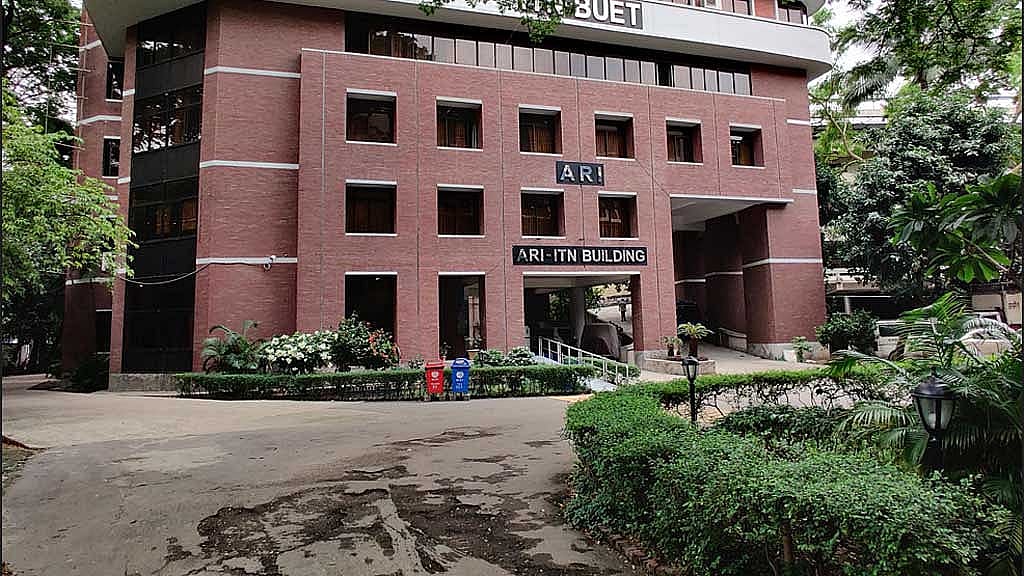
Prof Hadiuzzaman, former director of BUET’s Accident Research Institute (ARI), describes the situation in stark terms.
He calls the condition of Bangladesh’s level crossings “severely fragile”, warning that many cannot even generate functional warnings or alarms -- a situation he describes as a “catastrophic breakdown”.
How Many Crossings are Unsafe?
According to Bangladesh Railway’s latest available data from 2023, the country has 1,468 level crossings.
• Eastern region: 811 crossings
• Western region: 657 crossings
Only a fraction are properly staffed.
In the eastern zone, about 320 crossings have gatekeepers. In the western zone, only 244 crossings are staffed.
Overall, just 20–25 percent of crossings have gatekeepers on duty. The rest operate either irregularly or without any formal protection.
Even more striking is the scale of unapproved infrastructure. At least 1,321 crossings exist without railway authorisation.
These have been constructed by a range of entities:
• LGED and Union Parishads: around 960 crossings
• Municipalities and city corporations: 170 crossings
• Roads and Highways Department: 12 crossings
• The rest built locally or privately
Many of these lack barriers, signals, or any structured warning system.
When Negligence Becomes Fatal
The consequences of these operational breakdowns are visible in repeated disasters.
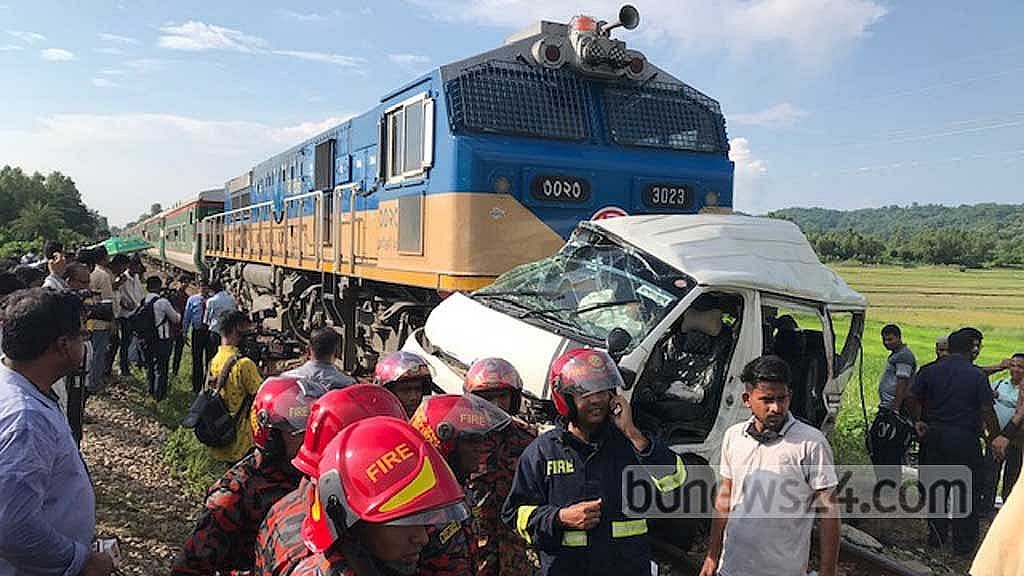
A recent example came from Cumilla, where a train collided with a bus at the Padua Bazar crossing on Mar 21 at around 3am, leaving 12 people dead and eight injured.
A district administration investigation later found widespread institutional gaps among train operators, gatekeepers and station staff.
Crucially, it identified negligence involving six gatekeepers as a key factor.
On the day of the accident, two designated gatekeepers were absent and had reportedly assigned their duties to two others in exchange for money. Those substitutes were also absent, and railway authorities were unaware of the arrangement.
The case is not isolated.
Across the country, reports of gatekeepers being absent, outsourced, or informally replaced are common. In some cases, the system operates on informal payments.
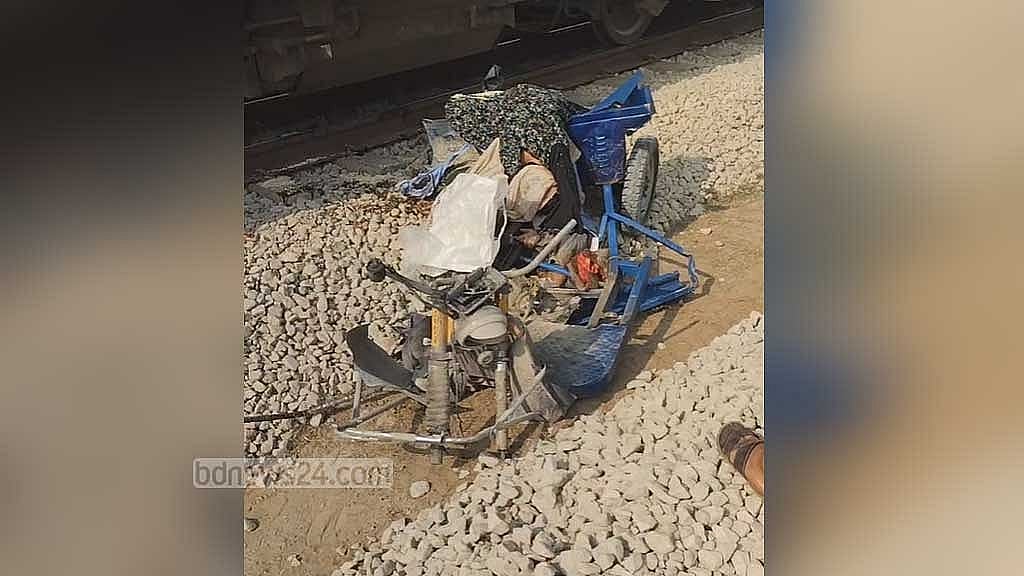
The Road Safety Foundation (RSF) and Jatri Kalyan Samity, or Passenger Welfare Association (PWA), estimate that 80–90 percent of railway accidents occur at level crossings, most due to absent gatekeepers or lack of awareness among road users.
A Deadly Pattern in Numbers
Bangladesh Railway data shows fluctuating but persistent fatalities:
• 2018–19: 15 deaths, 41 injuries
• 2019–20: 38 deaths, 106 injuries
• 2020–21: 37 deaths, 16 injuries
• 2021–22: 17 deaths, 53 injuries
• 2022–23: 9 deaths, 16 injuries
Accident frequency remains high, with 70–111 incidents annually in different years.
More recent figures paint an even starker picture.
ARI data shows:
• Jan-Dec 2024: 253 accidents, 230 deaths, 238 injuries
• Jan–Apr 2025: 54 accidents, 48 deaths, 42 injuries
The RSF recorded 48 railway accidents in March alone, killing 67 people and injuring 224.
The PWA reported 23 accidents during Eid travels, resulting in 35 deaths and 223 injuries.
Why the System Keeps Failing
Studies from ARI and other research bodies identify multiple causes:
• Lack of gatekeepers at illegal crossings
• Dysfunctional or outdated warning systems
• Absence of sirens or signal communication
• Poor geometric design of crossings
• Roads built higher than rail lines, causing vehicles to stall
A 2026 ResearchGate study on accident prediction in Bangladesh highlights a critical issue: insufficient warning distance -- signals often fail to activate at least 28ft before train arrival.
It concludes that hiring gatekeepers alone is not enough; automated warning systems are essential.
A ‘Dangerously Fragile’ System
Prof Hadiuzzaman argues that accident investigations repeatedly focus on lower-level staff while ignoring design flaws.
“We keep blaming gatekeepers and signalmen. But dismissing them will not reduce accidents.”
He describes crossings as structurally neglected spaces, where basic facilities are missing -- no drinking water, no sanitation, and often broken communication systems.
“Signal lights don’t work, telephones don’t work. It is a complete failure of management.”
He says responsibility lies with railway administration, which has failed in maintenance and supervision.
A System in Need of Redesign
Hadiuzzaman believes investment priorities are misplaced.
He argues that even a small share of railway investment directed toward automation could significantly reduce human error.
“If just 2 percent of railway investment had gone into automating level crossings, accidents would have dropped dramatically.”
He also calls for a shift from infrastructure expansion to operational efficiency, including skilled workforce development.
Other experts, including the PWA Secretary General Mozammel Haque Chowdhury, stress the need for risk classification of crossings and stronger accountability.
He warns that many accident reports go unimplemented, and investigation committees often include individuals linked to the incidents themselves.
What Authorities Say
Railway officials acknowledge the crisis but point to constraints.
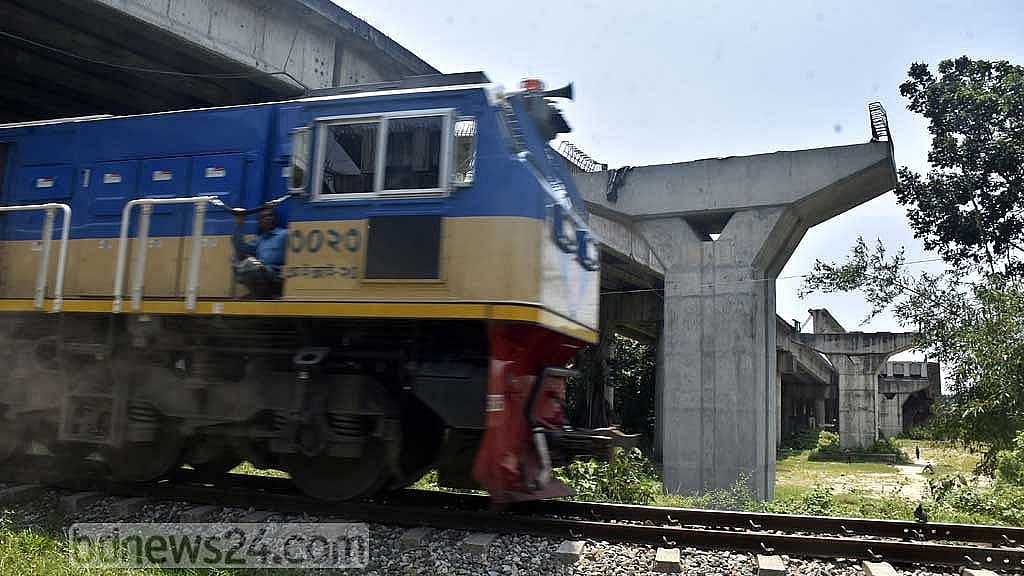
East Zone Railway authorities said efforts are under way to install siren-based warning systems and introduce control-room monitoring of gatekeepers.
Officials also outlined long-term plans inspired by India and other countries, including eliminating at-grade crossings in high-traffic zones through bridges, overpasses and underpasses.
New railway projects, including Dohazari–Cox’s Bazar and Padma rail lines, are already incorporating underpasses to reduce crossings.
West Zone Railway officials say policy-level decisions are required, particularly regarding which crossings should remain operational.
Railway planners also emphasise staffing shortages and ongoing discussions about replacing crossings with grade separation systems, especially in Dhaka.
Local government engineers, however, say coordination challenges persist. LGED officials note that proposed projects involving gatekeepers and barriers have stalled due to unresolved disputes over responsibility for staffing and maintenance.
Across Bangladesh’s railway network, level crossings remain a point where infrastructure, governance and accountability intersect -- often with fatal consequences.
Between legal ambiguity, missing infrastructure and inconsistent oversight, the system continues to rely on human vigilance in places where technology and design have already failed.
Until that imbalance is addressed, the country’s railway crossings are likely to remain what they have become: everyday points of risk, where nothing slows -- and nothing prevents the impact.