Home
+
Published : 07 Jun 2026, 04:42 PM
Chief Justice Zubayer Rahman Chowdhury has announced the formation of a special High Court bench to expedite appeals in cases filed under the Women and Children Repression Prevention Act.
The decision came following a proposal from Attorney General Md Ruhul Quddus Kazal in the Appellate Division.
On Sunday, the chief justice informed the court that the dedicated bench would begin functioning from next Sunday.
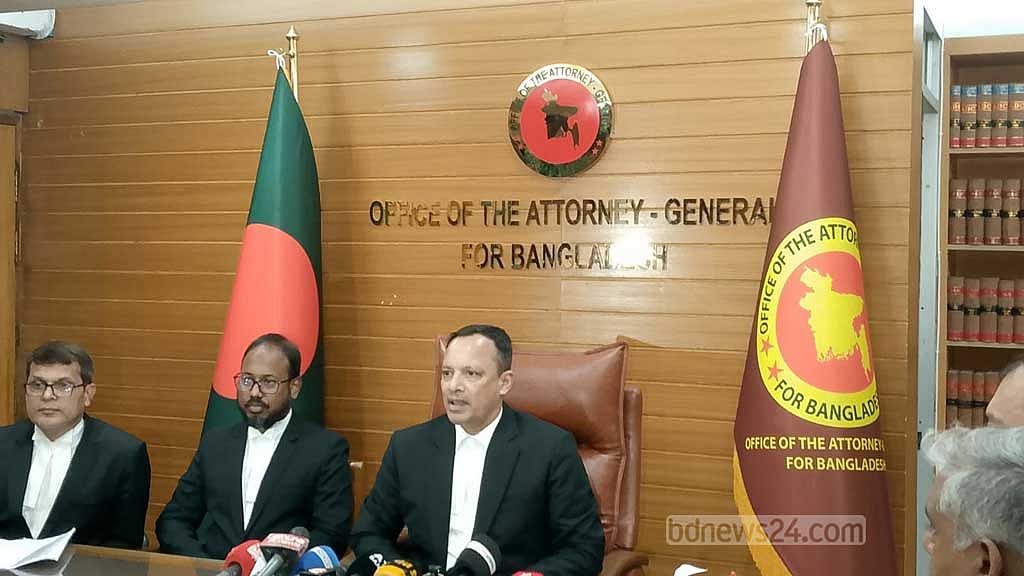
Kazal later welcomed the decision, saying it could end years of delays in the disposal of appeals in such cases.
Speaking at his office, the attorney general referred to Sunday's verdict in the rape and murder case of child victim Ramisa Akter, in which a lower court sentenced two defendants to death.
He pointed out that many high-profile cases in Bangladesh reach the sentencing stage but victims' families often do not see the punishment carried out because of lengthy appellate proceedings.
According to Kazal, public concerns over delays in enforcing exemplary punishment are justified.
He said he drew the chief justice's attention to the issue in open court, arguing that confidence in the justice system depends not only on verdicts but also on their timely execution.
The attorney general said the chief justice responded immediately by deciding to establish a dedicated High Court bench.
The bench will become operational from next Sunday, he added.
The state law officers have already been instructed not to seek any adjournments during these dedicated hearings to keep the process moving forward smoothly, the attorney general said.
Describing the initiative as a “milestone”, Kazal said it would help accelerate justice, meet public expectations and strengthen trust in the courts.
He also thanked the prime minister, the law minister, the home minister and the police administration for their roles in ensuring a swift investigation and trial in the Ramisa case.
Kazal said the state should respond with the same urgency in every criminal case, not only those that attract widespread public attention.
“Bringing offenders to justice quickly and ensuring punishment through due process is the responsibility of the state in every case,” he added.