Home
+
Published : 01 Dec 2024, 03:46 PM
In a significant ruling, the High Court has acquitted all the accused in the highly publicised case over the Aug 21 grenade attack that rocked an Awami League rally and killed 24 people two decades ago.
The court highlighted defects in the framing of the charges as the basis for its decision.
The bench of Justice AKM Asaduzzaman and Justice Syed Enayet Hossain delivered the ruling on Sunday following a review of appeals and death references in the case.
The trial court had originally sentenced 19 people to death, while 19 others, including BNP leader Tarique Rahman, were jailed for life. Additionally, 11 police and military officers were handed varying prison terms.
The High Court overturned these sentences, dismissing the death reference and acquitting all the accused, even those who had not filed an appeal. The court ruled that the supplementary chargesheet, which was based on the 2011 confession of Mufti Abdul Hannan, was "illegal".
The judgment also highlighted that no witnesses had observed any of the accused throwing grenades, which made the convictions based solely on confessions invalid.
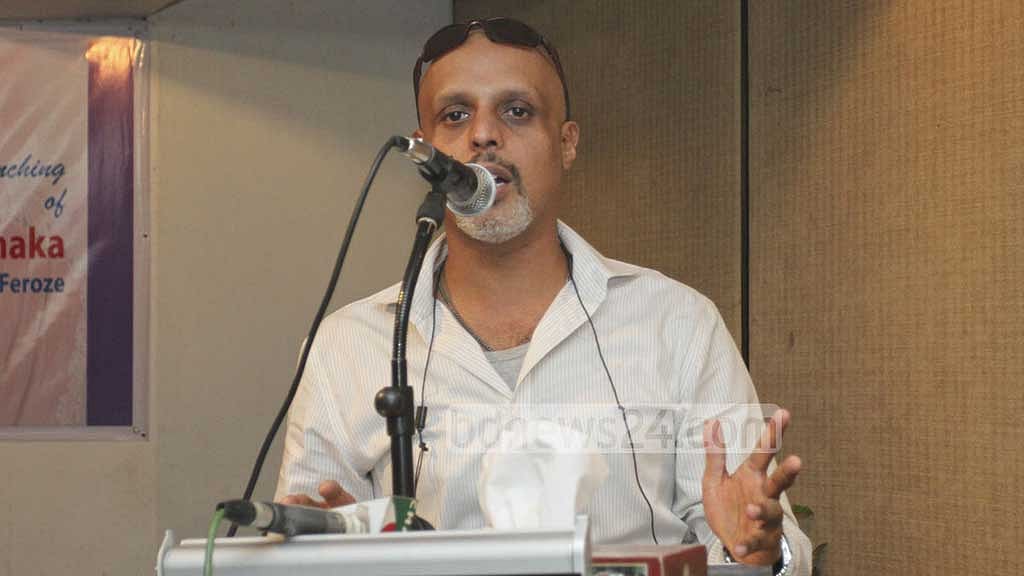
Shishir Manir, one of the defence lawyers, noted that Mufti Hannan's confession had been obtained twice and was the main basis for the trial court's verdict. "In the 400-year history of the subcontinent, no one has been sentenced based on a second confession."
Zainul Abedin, another defence counsel, argued that the case involved two chargesheets, one of which included a second confession from one of the accused. This led to the filing of a new charge sheet, which he said was legally unacceptable.
He also emphasised that no witnesses had seen anyone throw grenades, which ultimately led to the acquittal of all the accused.
"While this was a tragic event, it cannot justify convicting someone without proper evidence. The ruling has made that clear."
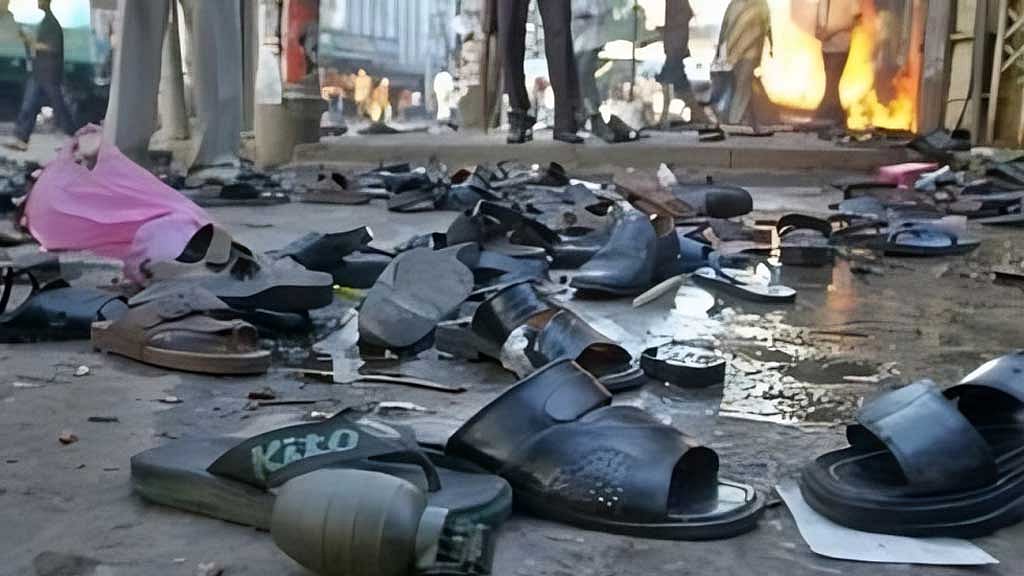
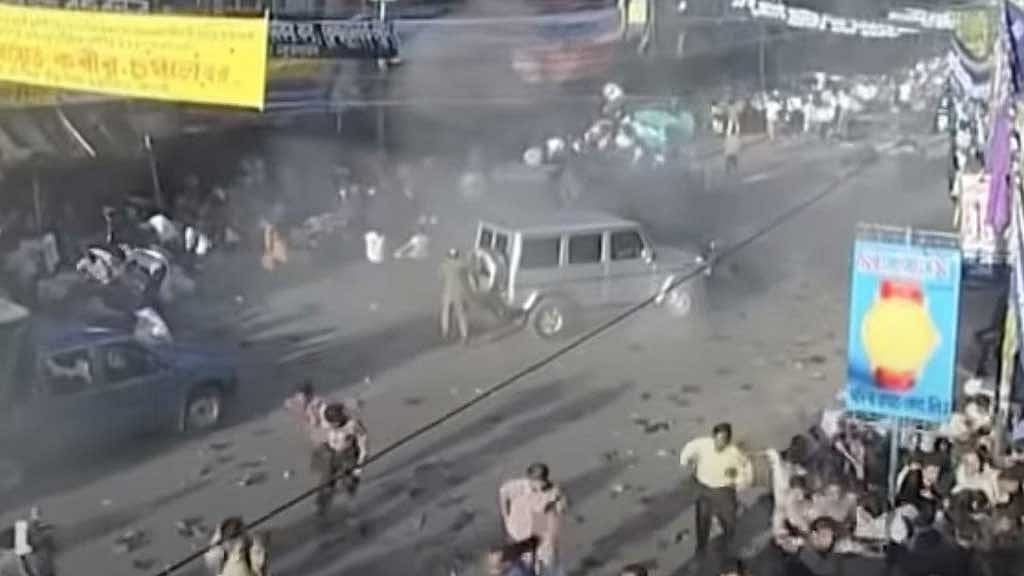
The grenade attack, which occurred on Aug 21, 2004, had an indelible impact on Bangladesh's political landscape and gained international attention. At the time, BNP Chairperson Khaleda Zia was prime minister, while Awami League chief Hasina was the leader of the opposition in parliament.
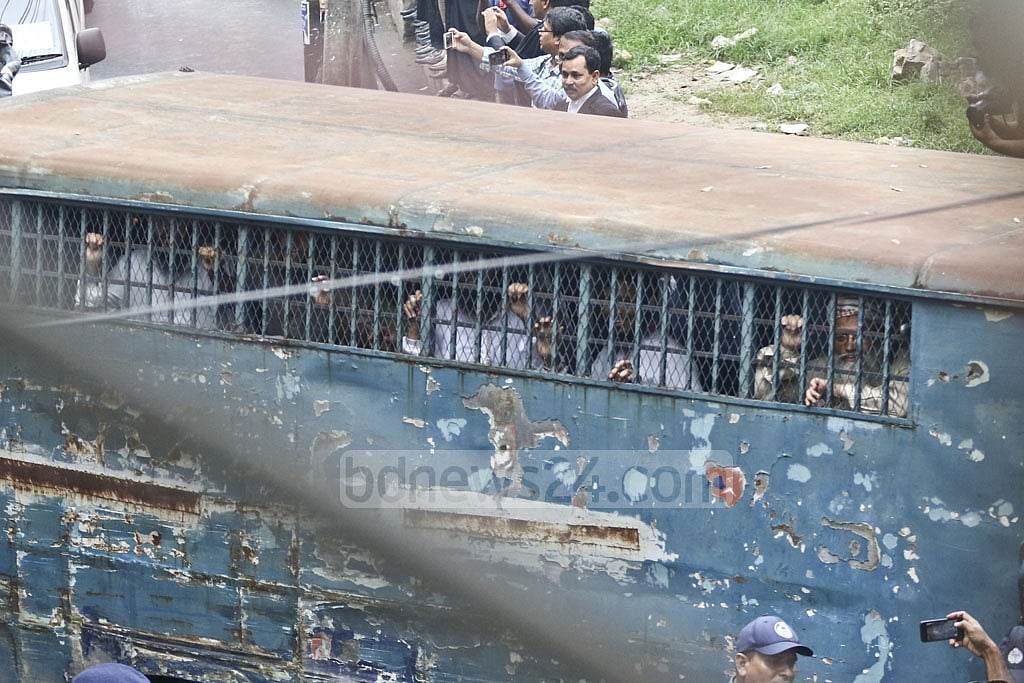
After 14 years of legal proceedings, Dhaka's First Speedy Trial Tribunal convicted 49 people in 2018 under the Penal Code and Explosive Substances Act. Among those convicted were former state minister for home affairs Lutfozzaman Babar and former deputy minister Abdus Salam Pintu, both sentenced to death. Tarique and others were given life sentences.
The judge opined that the attack was carried out with the “support of state machinery” with the “malicious intent to render the [Awami League] leaderless”.
“In politics, there will of course be a hundred disputes between the ruling party and the opposition party. But that doesn’t mean there can be an attempt to render the opposition leaderless. This is unacceptable.”
The attack had occurred after opposition leader Hasina changed the location of her rally without informing the government, which the defence argued was a deliberate ploy to frame the ruling party at the time.
During the High Court proceedings, Zainul Abedin pointed out that Tarique was not named in any of the initial indictments. His name was only added through later investigations led by Abdul Kahar Akond.
"The court carefully analysed all the evidence and found that without direct evidence, even a death sentence could not stand. Therefore, the acquittal of all the accused was the correct decision," said Zainul.
Abedin also accused the Awami League of weaponising the case for political purposes. "They wanted to keep Tarique Rahman out of politics for life and even sought his death sentence. But the court found no evidence to support that claim. Today, justice has been served, and all the accused have been acquitted."