Published : 03 Aug 2025, 04:07 AM
Updated : 21 Aug 2026, 01:36 PM


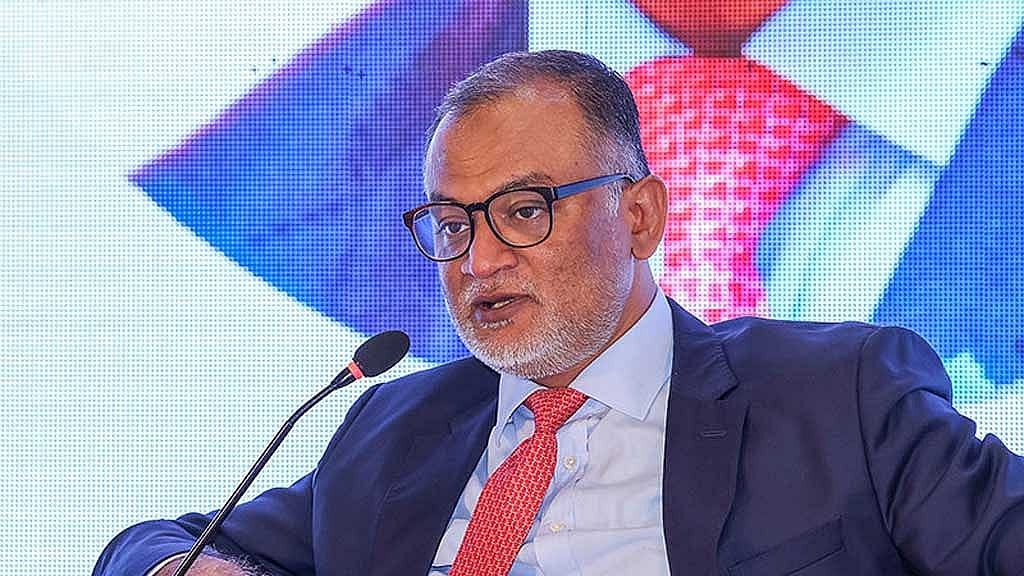
Commerce Advisor Sheikh Bashir Uddin has said the issue of Bangladesh purchasing aircraft from Boeing “never came up even once” during trade negotiations with the United States.
He noted that Washington’s primary interest was agricultural products rather than the aircraft purchase.
According to him, Bangladesh imports between $15 and $20 billion worth of food items annually.
Bashir explained that if it can import essential food products at fair prices, consumers will benefit and market stability will improve.
On the recent tariff agreement between the two countries, Bashir said it will be made public with “US government approval” after signing.
He insisted that the deal with the Donald Trump administration contained nothing that harms Bangladesh’s national interest.
Any clauses perceived as detrimental were dropped by the Bangladeshi negotiating team, the advisor added.
He responded to the criticism on Saturday amid concerns over the non-disclosure agreement (NDA) between the two sides on tariff discussions.
The comment came through an interview Bashir gave, later published on the Facebook page of Golam Mortoza, minister (press wing) at the Bangladesh Embassy in Washington.
“Once the deal is signed, it will be disclosed with US approval. A joint statement may follow soon after, in accordance with the right to information,” he said.
Bashir emphasised the dynamic nature of trade, noting that the White House announced a 20 percent tariff on Bangladeshi goods. “The success or failure of this tariff depends on our commercial capabilities. To benefit, we need to strengthen our capacity and competitiveness.”
Despite the tariff cut, he warned against complacency. “There is no room for self-satisfaction.”
On confidentiality, Bashir explained that secrecy is a “common practice” internationally and domestically in business, banking, and insurance contracts.
“Even private property transfers between individuals often include confidentiality agreements.”
He said confidentiality protects against “problems caused by neighbours or third parties making claims”.
After President Donald Trump’s announcement on Apr 2 imposing high tariffs on more than 100 countries, Bangladesh faced a 35 percent tariff.
Subsequent negotiations saw Bangladesh take steps to reduce its trade deficit, including a decision to buy 25 aircraft from Boeing.
Following multiple rounds of talks, Washington announced a reduction of the supplementary duty to 20 percent on Thursday.
On the NDA, Bashir said it was “very normal” since the US had invoked national security as a basis for the deal. “When national security is the key condition, confidentiality in discussions is inevitable.
“If the agreement had elements harmful to our interests, we would not have accepted it. That’s only natural.”
He made it clear that sacrificing national interest is not an option.
Such a move, the advisor said, would weaken Bangladesh’s capabilities and render trade agreements unviable.
“If any deal undermines trade capacity or damages the economy -- either in the short or long term -- it cannot be considered workable.”
Bashir expects a joint statement soon after the agreement is signed and confirmed that it would be made public.
He lamented the unfortunate leak of the deal during negotiations but reiterated: “There is nothing against our national interest.
“We clearly excluded anything that could indirectly harm the country.”
On efforts to reduce the trade deficit, Bashir said: “A delegation of businesspeople from Bangladesh visited Washington.
“If private sector businesses cannot compete on price, they will not survive or do business.”
Bangladesh mainly aims to reduce the deficit by increasing imports of energy and agricultural products.
“Our trade deficit with the US is about $6 billion. Increasing imports of cotton, soybeans, corn, and wheat could help reduce it by nearly $2 billion,” he added.