Home
+

Published : 12 Aug 2025, 09:50 PM
The Samajtantrik Mohila (Socialist Women’s) Forum has condemned the National Consensus Commission’s decision to neither increase the number of reserved seats for women in parliament nor introduce direct elections to them, calling it a reflection of “patriarchal and regressive thinking”.
At a protest outside the National Press Club in Dhaka on Tuesday afternoon, the forum, the women’s wing of Bangladesher Samajtantrik Dal (BaSad), criticised the commission for retaining the current system and refusing to commit to reforms.
Currently, there are 50 reserved women’s seats in parliament, allocated proportionally based on party positions.
The commission has decided to keep this system unchanged, instead requiring political parties to nominate women in at least five percent of general seats every five years.
The forum expressed strong resentment and opposition to this decision.
Speaking at the rally, the forum’s central publicity and publications secretary, Shipra Mondal, said:“The commission’s regressive decision is disappointing, as it disregards the long-standing struggle and demands of women for political empowerment, which is vital to building a democratic, equality-based society and state.”
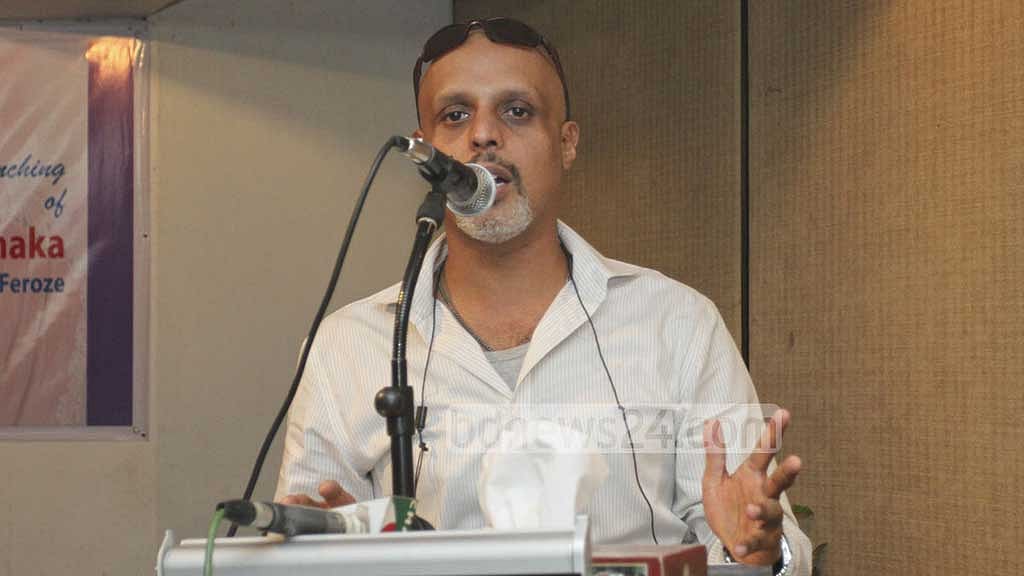
BaSaD General Secretary Bazlur Rashid Firoz said, “Women have an immense role in the economy, society and family, yet their participation in governance, politics and parliamentary representation remains minimal. This is because the parties that have ruled the country to date have been driven by capitalist and patriarchal mindsets, and have not recognised women’s equal rights.”
“In elections, black money and muscle power play a decisive role, making parties reluctant to nominate women for direct contests. Violence, abuse, and unsafe work conditions also deter women from entering politics,” he explained.
Firoz added that direct elections to reserved seats could have accelerated genuine women’s empowerment, but the commission’s decision upholds the current system, where ruling parties select female MPs without allocating them a specific constituency.
“This makes it difficult for women to rise from grassroots political activism,” he said.
The forum’s central president, Shampa Basu, demanded the immediate reversal of the “regressive” decision, increasing reserved seats to 100, and the introduction of direct elections for women.
She called for ensuring women’s participation and partnership in policymaking and governance, and urged for women’s organisations and rights activists to be included in discussions to reconsider the proposals.