Home
+
Published : 17 Nov 2025, 11:22 PM
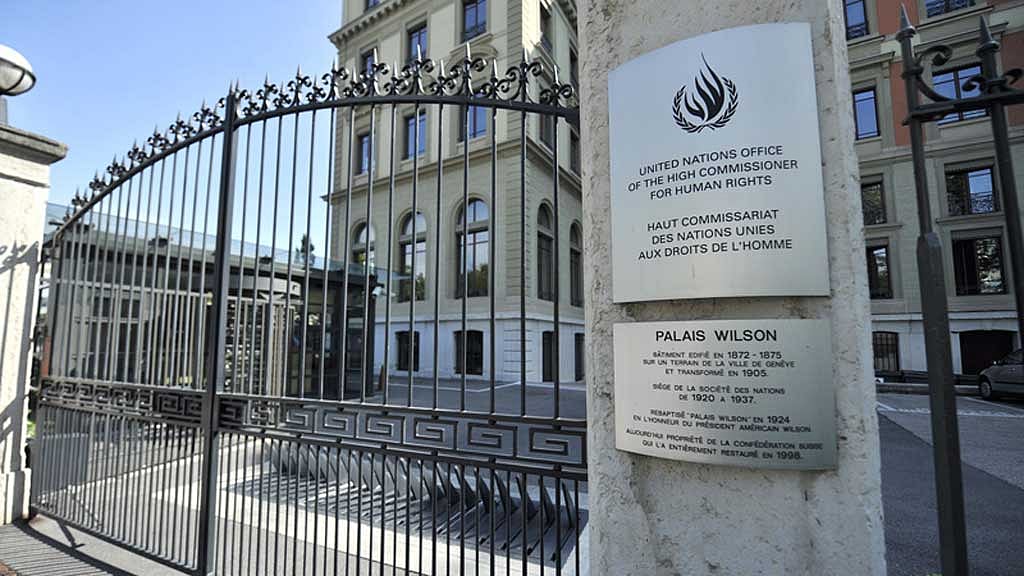
The leading UN entity on human rights has voiced concern over the verdict against former prime minister Sheikh Hasina, stressing due process, fair-trial standards and complete opposition to the death penalty.
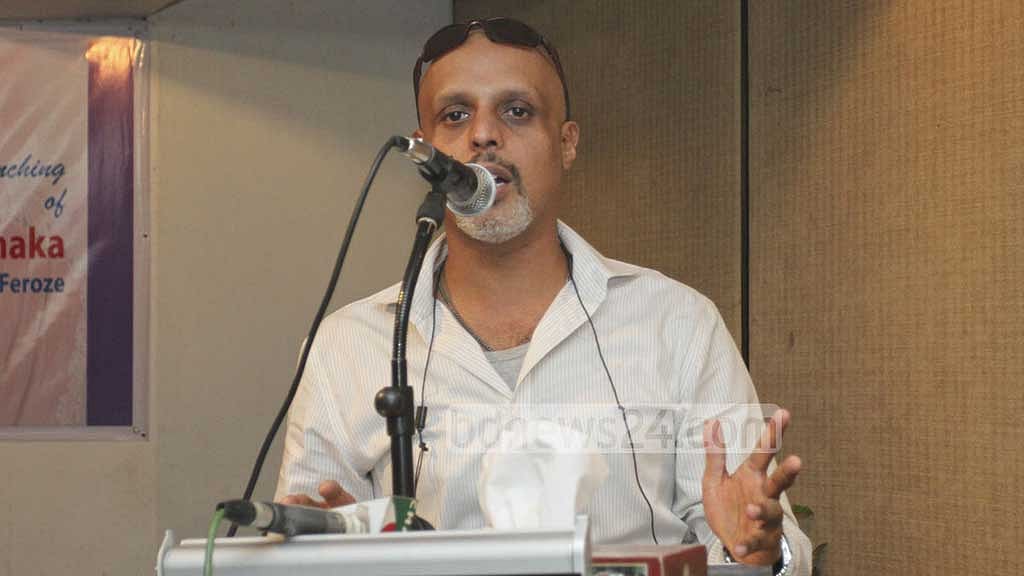
On Monday, the Office of the UN High Commissioner for Human Rights (OHCHR) spokesperson Ravina Shamdasani said in a statemetnt that the verdicts marked “an important moment for victims” of last year’s protest suppression.
Shamdasani added, “While we were not privy to the conduct of this trial, we have consistently advocated for all accountability proceedings -- especially on charges of international crimes -- to unquestionably meet international standards of due process and fair trial,” she added.
“This is particularly vital when, as was the case here, the trials have been conducted in absentia and led to a capital punishment sentence.”
She stressed the UN’s position, saying: “We also regret the imposition of the death penalty, which we oppose in all circumstances.”
The statement comes after the International Crimes Tribunal handed down the death penalty to Hasina and former home minister Asaduzzaman Khan over charges of crimes against humanity related to the July Uprising. Chowdhury Abdullah Al-Mamun, the police chief at the time, was also convicted but had his sentence reduced to five years in prison after turning state witness.
The case centred on five charges, including allegations of incitement, provocation, and orders to kill during the July Uprising, as well as “superior command responsibility” and participation in a “joint criminal enterprise” that prosecutors said led to the deaths of 1,400 people.
ICT Chief Prosecutor Tajul Islam rejected claims that the sentence represented political retribution, saying: “We believe this verdict is not any kind of revenge for the past. It is for the nation's commitment and the establishment of justice. This verdict proves no matter how big or powerful the criminal is, they are not above the law.”
The OHCHR spokesperson also conveyed the position of UN Human Rights chief Volker Türk, saying he hoped Bangladesh would move forward with a “comprehensive process of truth-telling, reparation and justice as the pathway to national reconciliation and healing”.
According to the statement, this process “should include meaningful and transformative security sector reform, respecting international standards, to ensure that these violations and abuses are never repeated.”
She said the OHCHR “stands ready to support the Government and people of Bangladesh in these endeavours”.
“The high commissioner calls for calm, and for all to exercise restraint in response to these developments,” she added.