Published : 09 Feb 2026, 10:04 AM
Updated : 21 Aug 2026, 03:08 PM


As campaigning intensifies ahead of the national election and referendum scheduled for Feb 12, political circles are abuzz with concerns over possible “election engineering”.
In Mohakhali Amtali, a tea vendor asked as an auto-rickshaw blared a campaign song: “Will there even be an election?”
Many share the same sentiment, reflecting public uncertainty.
Leaders from multiple parties, including Bangladesh Nationalist Party, Jamaat-e-Islami, Jatiya Party, and the Revolutionary Workers Party of Bangladesh, have expressed fears of vote rigging or undue influence.
BNP formally raised its concerns on Feb 7.
Its election spokesperson Mahdi Amin, speaking in Lakshmipur, alleged manipulation of ballot sheets and warned of attempts to exploit religious sentiment for fraudulent voting.
Dhaka-11 BNP candidate MA Quayum also cited risks of vote tampering.
Senior BNP members Mirza Abbas and Amir Khosru Mahmud Chowdhury voiced apprehensions of potential interference and past precedents of manipulated polls.
Harunur Rashid, BNP candidate in Chapainawabganj-3, warned against complacency: “If we fear election engineering, no one will remain unscathed.”
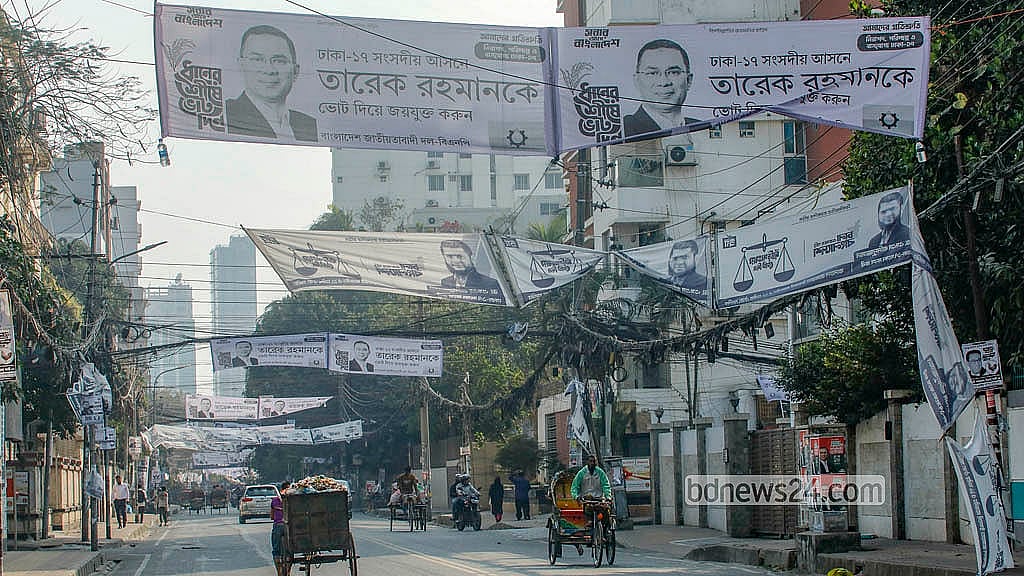
Jatiya Party and Revolutionary Workers Party leaders echoed these concerns, highlighting potential irregularities.
Jatiya Party Secretary General Shameem Haider Patwary called for united resistance in case of manipulation, while Revolutionary Workers Party candidate Saiful Haque said BNP was aware of possible attempts and would counter them.
BNP’s accusations point towards Jamaat, which the latter denies.
Jamaat spokesperson Ahsanul Mahboob Zubair said the allegations were “baseless” and countered that BNP itself sought to justify its actions by blaming others.
He added that the party had informed the Election Commission of any potential threats or irregularities.
Political analyst Prof Asif Mohammad Shahan of Dhaka University believes these pre-election concerns arise for two reasons.
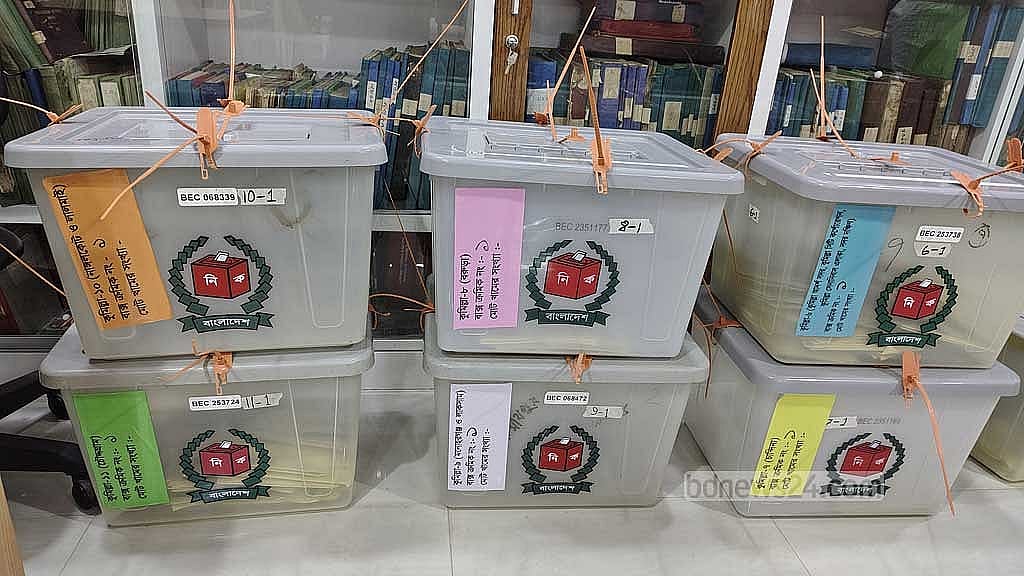
“Firstly, the interim government has never taken a firm stance and has engaged with both major parties in all matters, appointing personnel preferred by them. This creates debate from the outset. Secondly, it is a longstanding strategy of political parties: if results go against them, they prepare narratives claiming manipulation,” he said.
Former Election Commission official and reform advocate Jasmine Tuli said parties often raise allegations preemptively to exert pressure and retain grounds to challenge results later.
Prof Shahan added, “Past elections show that parties rarely accept results without question. Both winners and losers will likely raise concerns, using the discourse to their advantage.”
The analyst also noted that the government’s ability to mitigate mistrust is limited at this stage.
“Unless visible interference occurs, there is little the administration can do beyond ensuring no obvious incidents arise. Any perceived manipulation or viral footage could be decisive,” he said.
Jasmine emphasised confidence in the interim government’s neutrality, noting that under the current arrangements, active attempts at election engineering by candidates are unlikely.
“These claims appear more as a pre-emptive political tool than a reflection of imminent irregularities,” she said.