Published : 05 Dec 2025, 05:23 AM
Updated : 21 Aug 2026, 02:50 PM


UK universities have cut back enrolments from Bangladesh and Pakistan following a rise in visa refusals and tighter Home Office regulations.
The Financial Times reported that at least nine higher education institutions limited enrolment from “high-risk” countries as they face pressure to admit only genuine students.
The move follows a surge in asylum claims from international students, prompting Border Security Minister Dame Angela Eagle to warn that the visa system “must not be used as a backdoor” to settle in Britain.
The University of Chester paused admissions from Pakistan until autumn 2026, citing a “recent and unexpected rise in visa refusals”, according to the British daily.
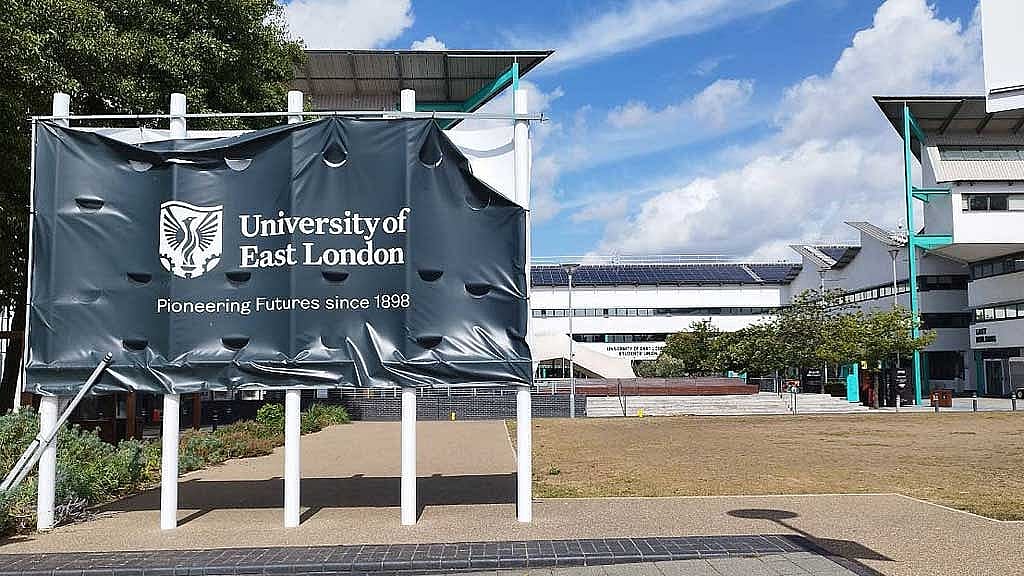
The University of Wolverhampton is not accepting undergraduate applicants from Pakistan and Bangladesh, while the University of East London has suspended recruitment from Pakistan.
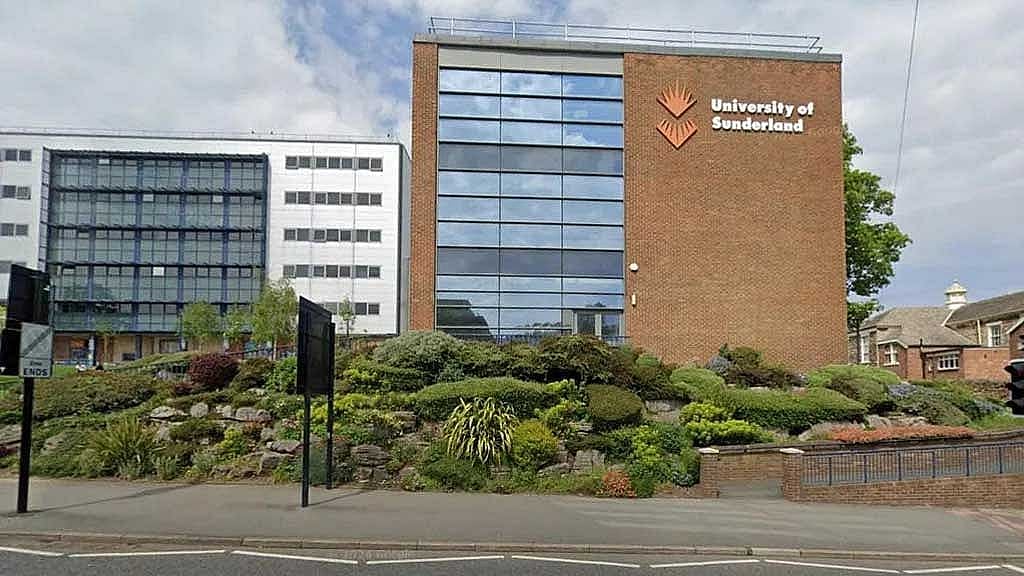
Other universities, including Sunderland and Coventry, also suspended student intake from both countries.
The FT cited the University of Sunderland as saying it made “no apologies” for taking a firm approach “to protect the integrity” of the student visa system.
Earlier this year, the Home Office revised the three Basic Compliance Assessment (BCA) thresholds that UK institutions must meet to retain their student sponsor licences.
As per the newspaper, the changes are part of wider reforms aimed at tackling abuse of the system and reducing net migration, which is at its lowest level in four years.
Under the new rules, effective from September, universities must ensure that no more than 5 percent of their visa applications are rejected, down from 10 percent.
The FT said the average refusal rate for Pakistan and Bangladesh student visa applications, excluding dependants, in the year to September 2025 was 18 and 22 percent -- well above the new limit.
The two countries accounted for nearly half of the 23,036 rejections in that period.
Asylum claims from Pakistani and Bangladeshi nationals have also risen, most of whom entered Britain on a work or study visa, it added.
Vincenzo Raimo, an international higher education consultant, told the daily that the crackdown poses a “real dilemma” for lower-fee universities that rely heavily on international recruitment.
He added that “even small numbers of problematic cases can threaten universities’ compliance with Home Office thresholds.”
Several other universities adjusted recruitment practices.
The University of Hertfordshire, placed under an action plan enforcing stronger compliance checks, has suspended recruitment until September 2026, citing “long visa processing times”.
In a memo seen by the FT, Glasgow Caledonian University, also under an action plan, told staff in July that it needed to make “temporary changes to international student intake”, warning that the “stringent” new metrics meant “doing nothing is not an option”.
It paused recruitment for the September intake, though it reinstated courses starting in January.
Oxford Brookes paused recruitment from Pakistan and Bangladesh for undergraduate courses beginning in January 2026, citing “visa processing times,” and plans to resume applications for September.
BPP University, a private institution, has temporarily halted recruitment from Pakistan as part of a “risk mitigation” strategy, according to the FT.
London Metropolitan University stopped recruiting from Bangladesh over the summer, noting that the country accounted for 60 percent of its visa refusals.
Maryem Abbas, founder of Lahore-based Edvance Advisors, said these decisions are “heartbreaking” for genuine students left stranded when applications are withdrawn at the final stage.
She added that UK universities “help create incentives” that lead to spurious applications and urged closer scrutiny of overseas recruitment agencies.
“Hundreds of agencies in Pakistan simply do not care where the student goes,” she said, calling the sector a “moneymaking business”.
The newspaper said official estimates from May indicating 22 higher education institutions would fail at least one of the tightened BCA criteria.
Of these, 17 could improve compliance, while five would lose sponsorship rights for at least a year, potentially affecting 12,000 international students.
Jamie Arrowsmith, director at Universities UK International, told the FT that some institutions will need to diversify intakes and tighten application and deposit policies to meet the new rules.
While stricter rules “may be challenging” for many universities, they are necessary to maintain public confidence in the system, he added.
The Home Office said it “strongly values” international students.
“That’s why we’re tightening the rules to ensure those coming here are genuine students and education providers take their responsibilities seriously,” the FT quoted.