Published : 06 Jan 2026, 08:42 PM
Updated : 21 Aug 2026, 02:59 PM


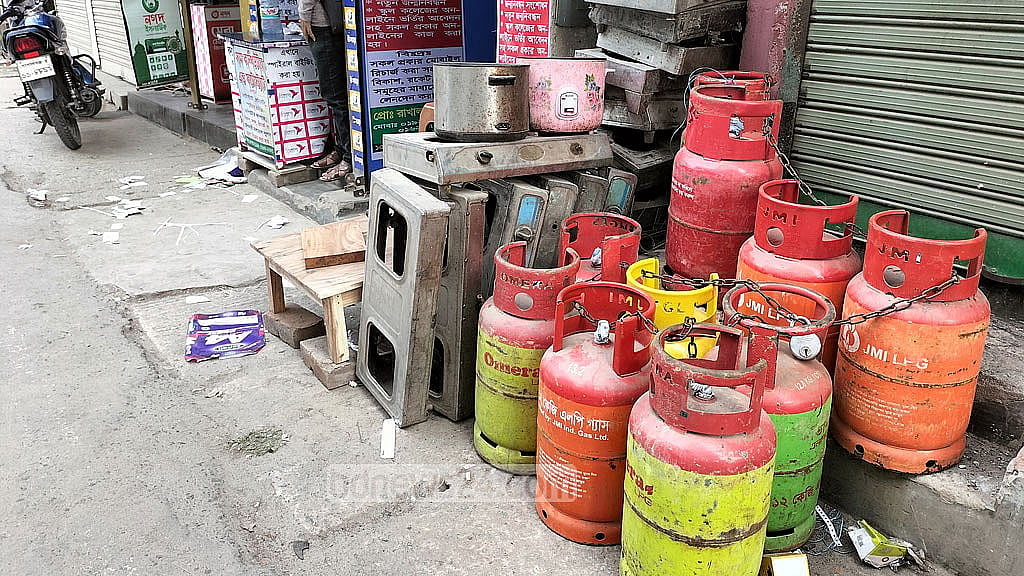
Power and Energy Advisor Fouzul Kabir Khan has said there is no actual shortage of liquefied petroleum gas (LPG), blaming market manipulation for recent supply concerns and sharp price rises.
Speaking to reporters on Tuesday at the Secretariat following a meeting of the Cabinet Committee on Government Purchase, he expressed hope that prices would gradually come down.
“LPG is imported and then bottled. Imports are higher this month than last month, so there is no reason for any shortage from that perspective,” he said.
The advisor explained that the private sector controls 98 percent of the LPG cylinder market. The state’s contribution is limited to 2 percent, consisting of propane and butane sourced from the Eastern Refinery Ltd.
He noted that because the private sector dominates, the primary regulatory authority lies with the Bangladesh Energy Regulatory Commission (BERC) rather than the Energy Division directly.
“Following high-level meetings between the energy secretary and BERC, it was confirmed that LPG imports in January are higher than those of the previous month. There is no logical reason for a supply deficit.”
Fouzul attributed the "abnormal" price hikes to market manipulation and confirmed that the government is taking action through district administrations and police.
“Monitoring teams have already been dispatched to Chattogram, with similar operations planned for Dhaka to stabilise the situation,” he added.
For January, the official price for a 12kg LPG cylinder was increased by Tk 53, setting the rate at Tk 1,306, up from Tk 1,253 in December.
The market reality, however, remains starkly different.
Despite BERC's Sunday directive that the new rates take effect from 6pm, consumers report that cylinders are not available at the fixed price.
Over the past month, retailers have reportedly been charging between Tk 800-1,000 above the regulated rate, citing a supply crisis.
Fouzul clarified that while there is no current shortage, the government is proactively addressing potential future bottlenecks.
He mentioned that international sanctions on certain vessels have caused minor shipping complications. While these have not impacted the current month's supply, the government is working to resolve these logistics to protect future inventories.
Asked who was behind the “trickery”, he identified wholesalers and retailers as the culprits.
He highlighted that district administrations, law-enforcing agencies, and the Directorate of National Consumers' Rights Protection are actively issuing fines in various locations to bring the market under control.
He expressed hope that prices would soon return to normal as monitoring intensifies.