Home
+
Published : 11 Mar 2021, 10:02 AM
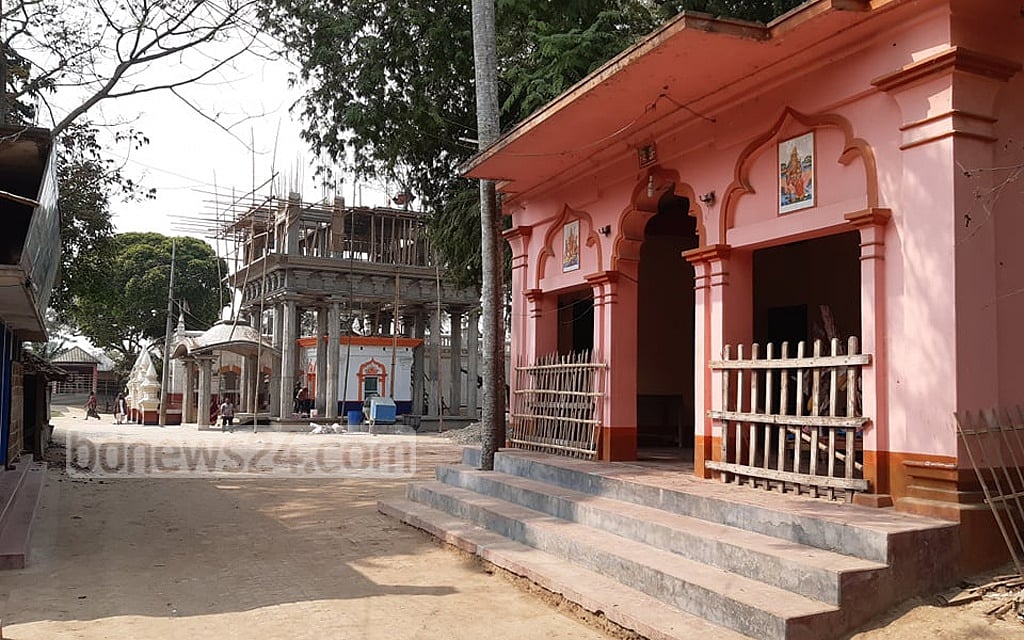
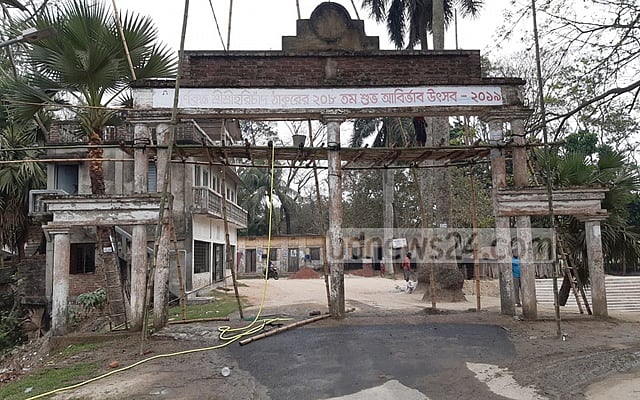
One of the temples Modi will be visiting is the Matua temple at Orakandi in Kashiani Upazila of Gopalganj, where locals are enthusiastically waiting to welcome him.
Modi will also pay tribute to Bangabandhu Sheikh Mujibur Rahman at his mausoleum in Tungipara on Mar 27, the second day of his trip, according to Foreign Minister AK Abdul Momen. He is scheduled to visit two temples in two districts on the same day.
“First, he will go to Joshoreshwari Temple in Satkhira. It's an ancient temple that dates back to the time of Pratapaditya or Lakshman Sen."
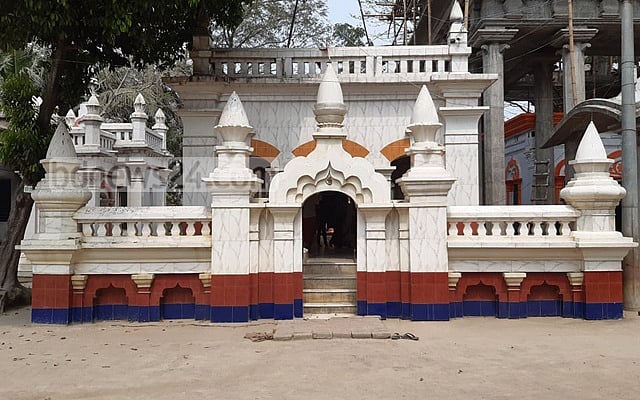
Afterwards, Modi will be visiting Orakandi in Gopalganj, Momen said.
Jashoreshwari Kali Temple in Satkhira is a holy shrine for the Hindu community. Orakandi is the birthplace of Harichand Thakur, founder of the Matua sect. The Orakandi temple is the holiest place for the Matua sect.
The officials of the Indian High Commission in Bangladesh have already visited Orakandi to lay the groundwork for Modi's visit, said Matuacharya Padmanabha Thakur, head of Bangladesh Matua Moha Mission.
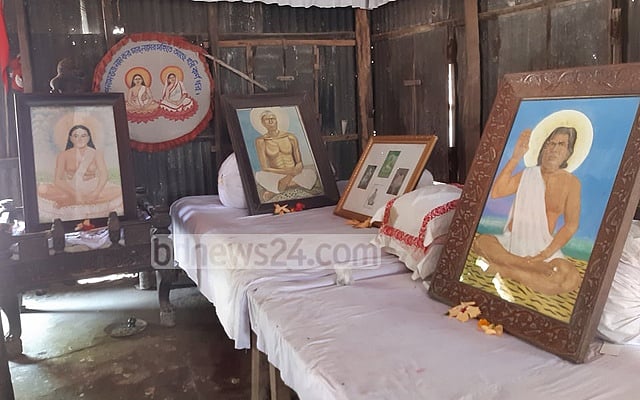
Padmanabha highlighted the efforts of different Indian governments to woo the Matua sect over the years.
"Former chief minister of West Bengal Buddhadeb Bhattacharya took some measures to woo the Matua voters. He favoured us too. When Mamata Banerjee came to power, she kept in touch with the Thakur Bari in Thakur Nagar. She did some development work too and introduced the birthday of Harichand Thakur, founder of the religious sect, as a government holiday.”
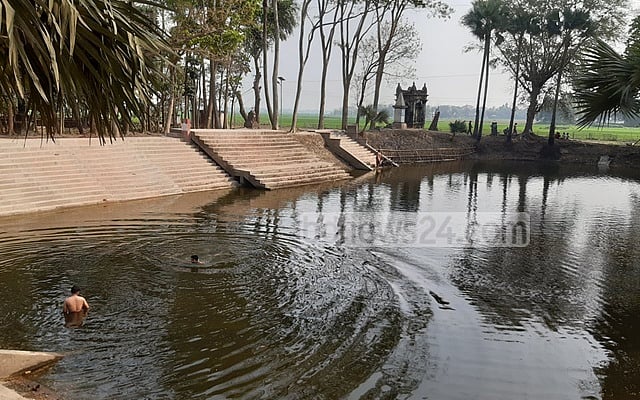
“A huge Matua conference was held in Thakur Nagar in West Bengal in 2018, where Narendra Modi was the chief guest. While speaking at the conference, I invited him to visit Orakandi, the main shrine of Matuas. He accepted the invitation,” Padmanabha said.
The Matua votes could be a deciding factor in the West Bengal election, according to him. “I don’t mind saying that the Matua community may harbour positive feelings for Modi if he visits and offers prayers in Sreedham Orakandi,” he said.
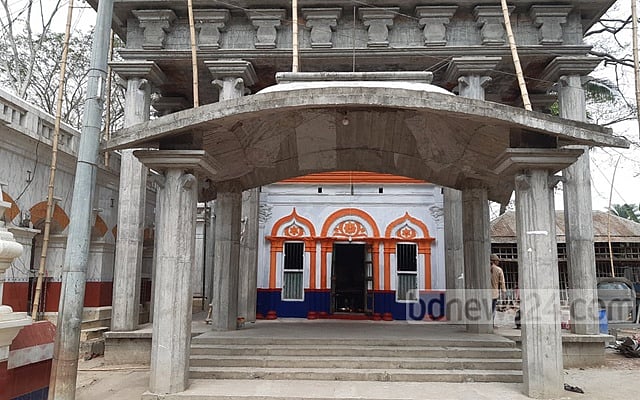
The Matua sect originated in Bangladesh as a result of the religious reformation movement by the followers of Harichand Thakur, who born in a peasant family, in the then greater Faridpur, Bangladesh.
Known as a saviour of the oppressed to his followers, Harichand initiated the religious reformation which was later spread further by his son Guruchand Thakur.
After 1947, his followers formed a second organisation in Thakurnagar in Bongaon, North 24-Parganas. Matuas migrated from Bangladesh to West Bengal in two phases, after Partition in 1947 and Bangladesh's Liberation War in 1971, and settled mainly along the India-Bangladesh border region stretching from north to south Bengal.
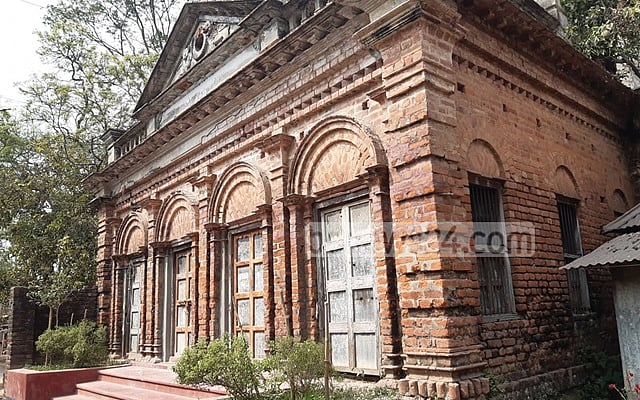
Most of the Matua community went to India as refugees after the Partition of British India in 1947, Padmanabha said. The Indian government settled them in West Bengal, Assam, Tripura, Odisha, Uttarakhand, Uttar Pradesh, Jharkhand, Andaman, Nicobar Islands, Maharashtra, Delhi, Chhattisgarh, Madhya Pradesh, Haryana and other states. They have struggled but managed to survive there. Although they were not very organised in Bangladesh, the Matua community regrouped after moving to India.
“Sreedham Orakandi holds the biggest religious congregation after Bishaw Ijtema. Therefore, the Matuas demand state patronisation for its development. I hope it will be expanded further after the visit of Narendra Modi and Matuas’ rights and dignity will be established.”