Home
+
Published : 31 Jul 2025, 07:57 PM
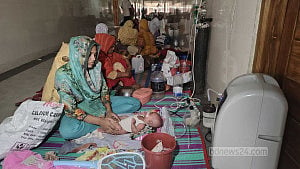
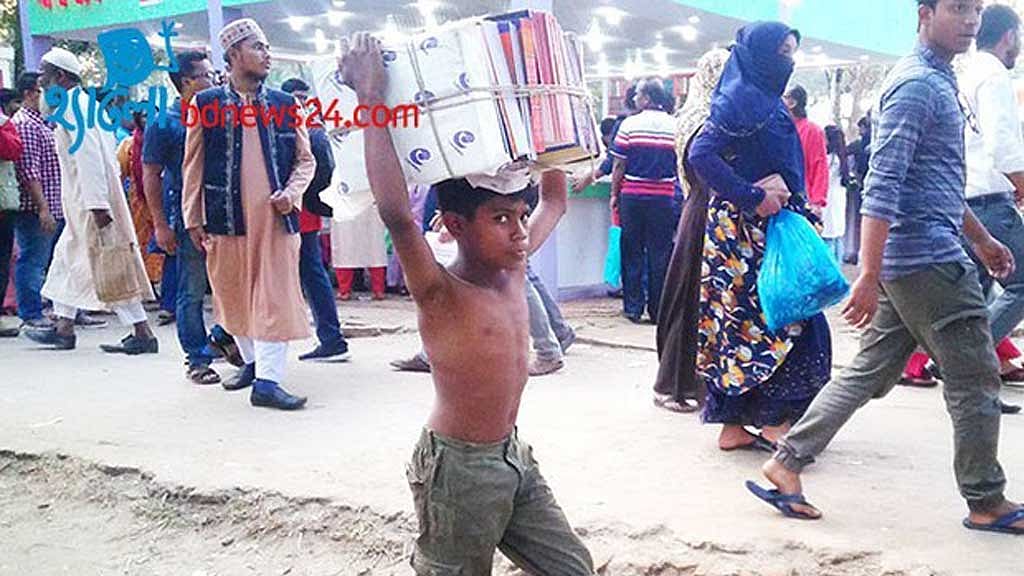
Almost one in three children in Bangladesh are living in multidimensional poverty, according to new findings released by the General Economics Division (GED), with support from UNICEF and the European Union.
In a media statement issued on Thursday, UNICEF said 28.9 percent of children in the country face such poverty, a rate that is “significantly” higher than the 21.44 percent recorded among adults.
The Multidimensional Poverty Index (MPI) evaluates poverty not only through income but also through overlapping deprivations such as poor health, lack of education, inadequate nutrition, unsafe housing, and limited access to essential services.
According to the MPI, more than 39 million people in the country are currently living in multidimensional poverty. While Bangladesh has made progress in reducing monetary poverty and child stunting, multidimensional child poverty remains a major challenge, with children 35 percent more likely to be affected than adults.
UNICEF said children in rural areas suffer significantly higher levels of multidimensional poverty than those in cities.
The index identifies school attendance as the strongest contributor, making education-related deprivation the most critical driver of child poverty.
“With three out of ten children affected, the critical work undertaken by the General Economic Division of the Planning Commission, based on the Multiple Indicator Cluster Survey - which will be repeated this year - will provide policy makers with clear information to build their policy priorities, make informed and stronger investments to social budgets and target better their approaches,” said Rana Flowers, UNICEF Representative in Bangladesh.